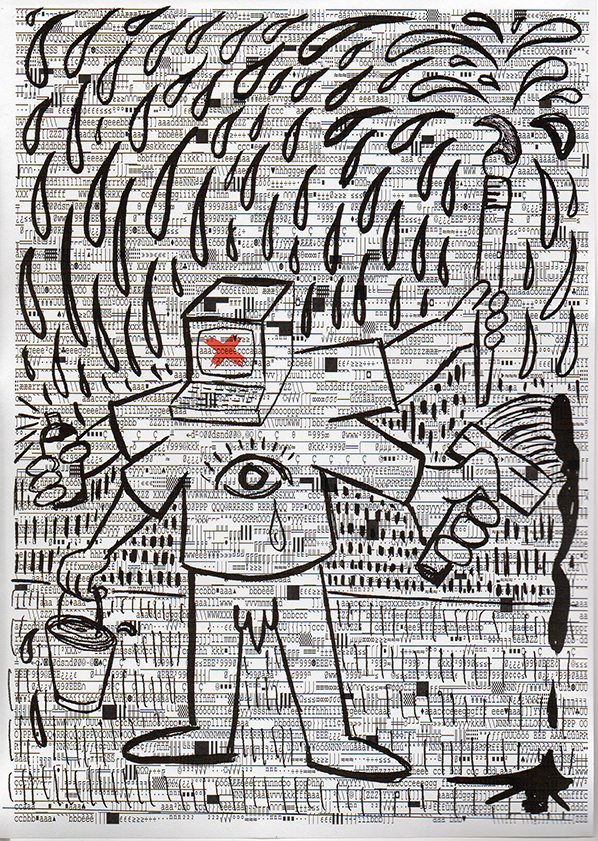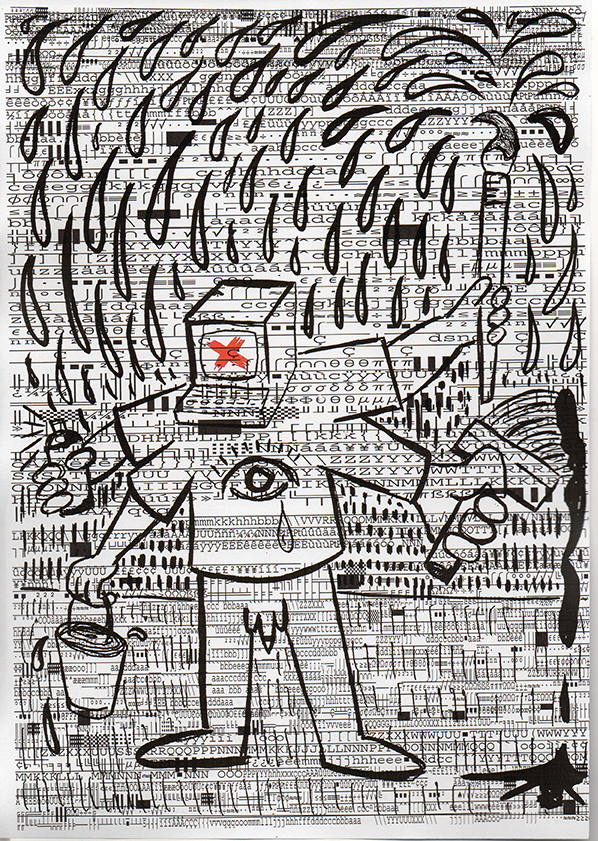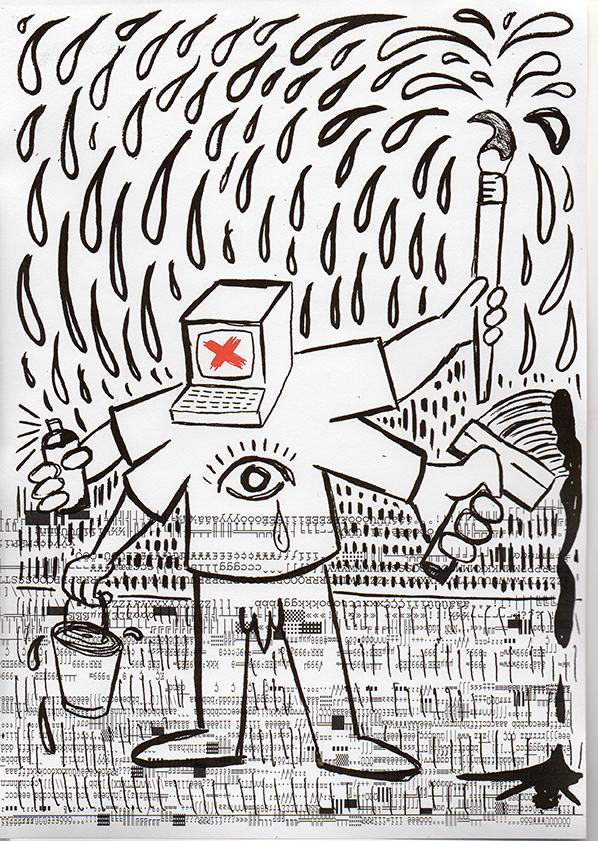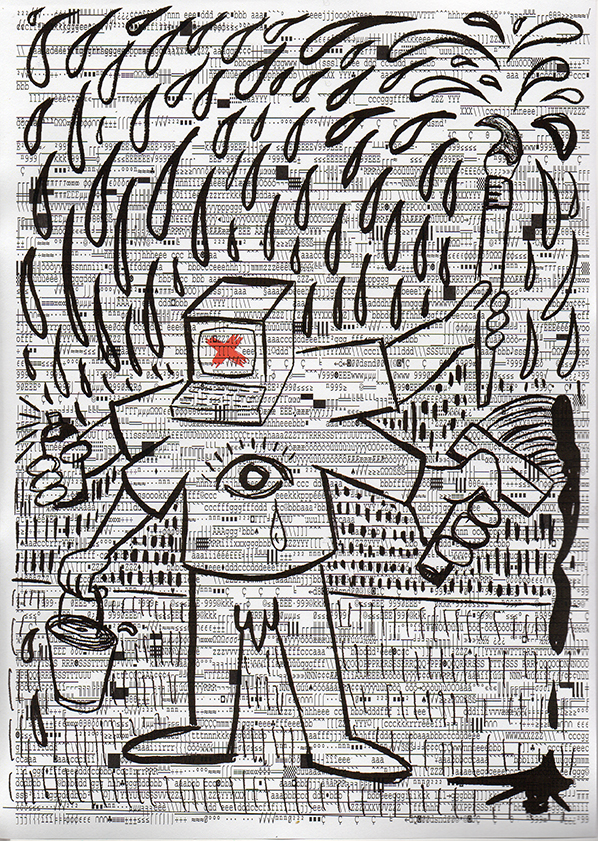
The Sign
‘The sign […]
The sign […]
The sign […]
The sign’
The End of Everything
M John Harrison
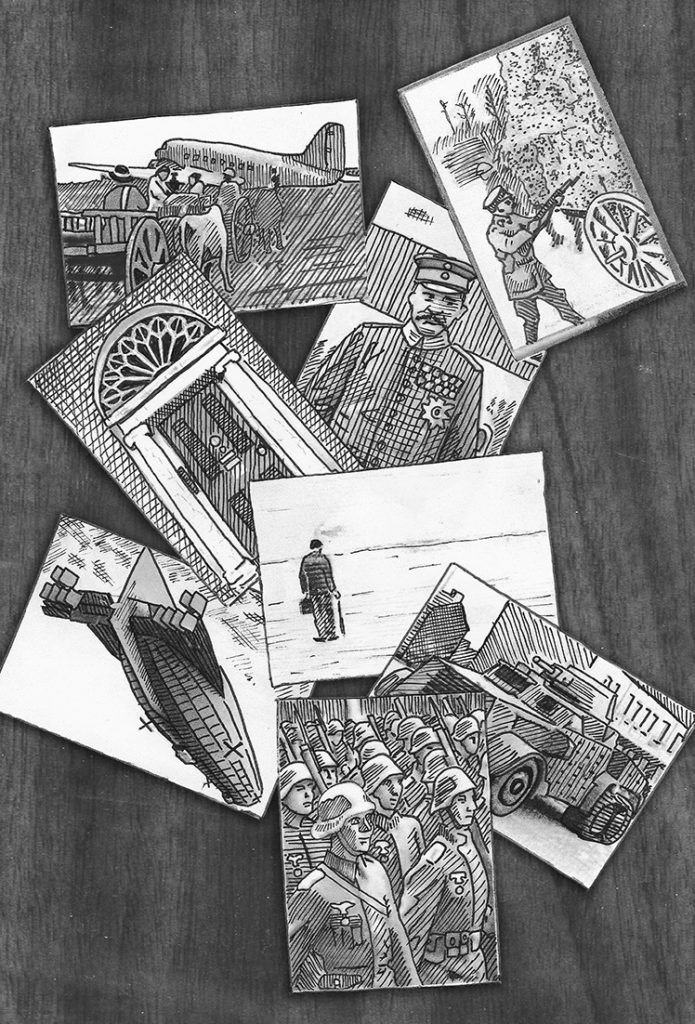
M John Harrison’s 2026 novel The End of Everything features a chapter entitled ‘The Sign’. In it, is described the geography of a town not unlike the one I am writing in—Llandudno—yet on the Kent coast: the ‘pier, the arcades, the bohemian pubs […] the fish and chip bars. Back from the sea, there are books and antiques, cakes and a delicatessen’. There is also ‘the sound of dead pensioners mourning the great vanished battles of Britain’ and, towards the edge of town, an older woman squatting in the road with a home-made sign that reads ‘HOW CAN YOU MISPLACE A CONTINENT?’ A scene has been set—one with a pronounced whack of Brexit off it (see exhibition theme below)—and the chapter ends. One then turns the page to find that the title of the succeeding chapter is also ‘The sign’. Unusual; but seemingly not an error, yet a sense of giddiness rises in the reader when they discover that the chapter after that also turns out to be called ‘The sign’… and the one after that…
Each of these chapters narrates a different iteration of the same event, using the same ingredients, yet reconfigured and transformed on each telling. One realises, through the now familiar clues peppered throughout the novel thus far i.e., references to so-called ‘bad patches’ and alternate planes, that this something to do with an alien invasion. The ramifications of the extra terrestrial beings’ presence means our reality has somehow been hacked—as indeed the novel itself has been hacked.
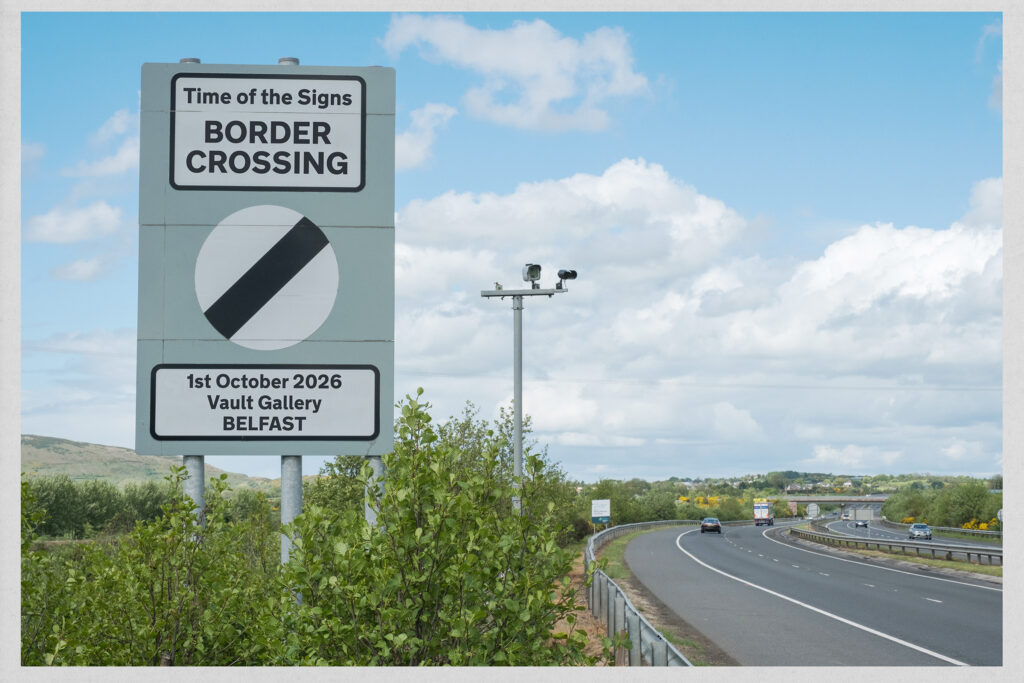
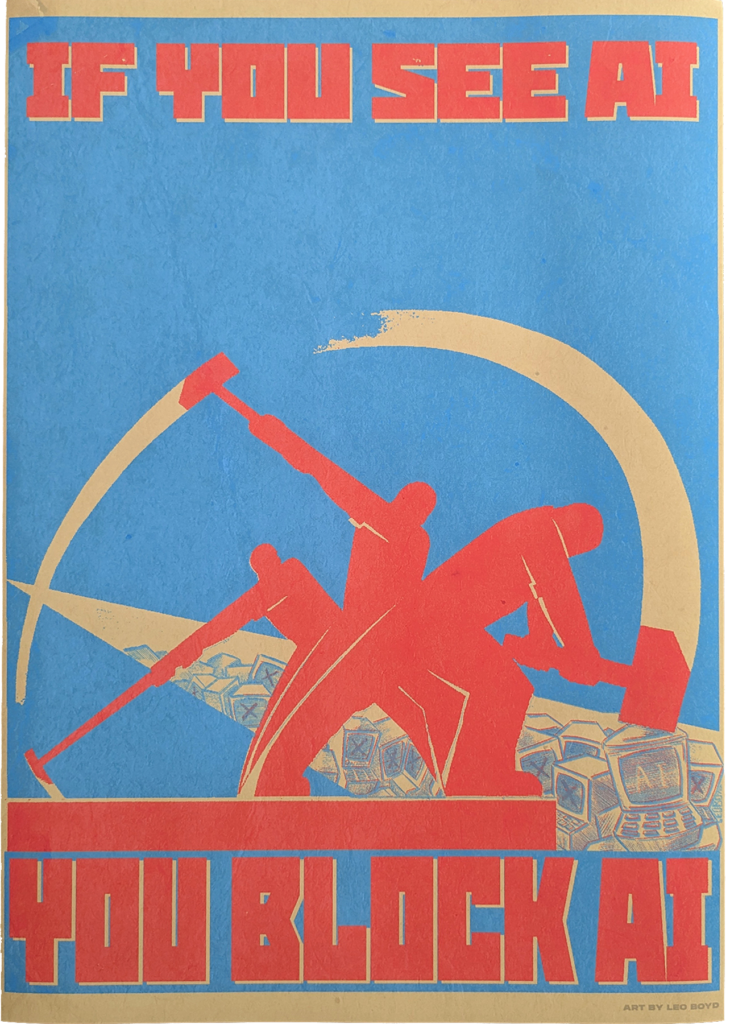
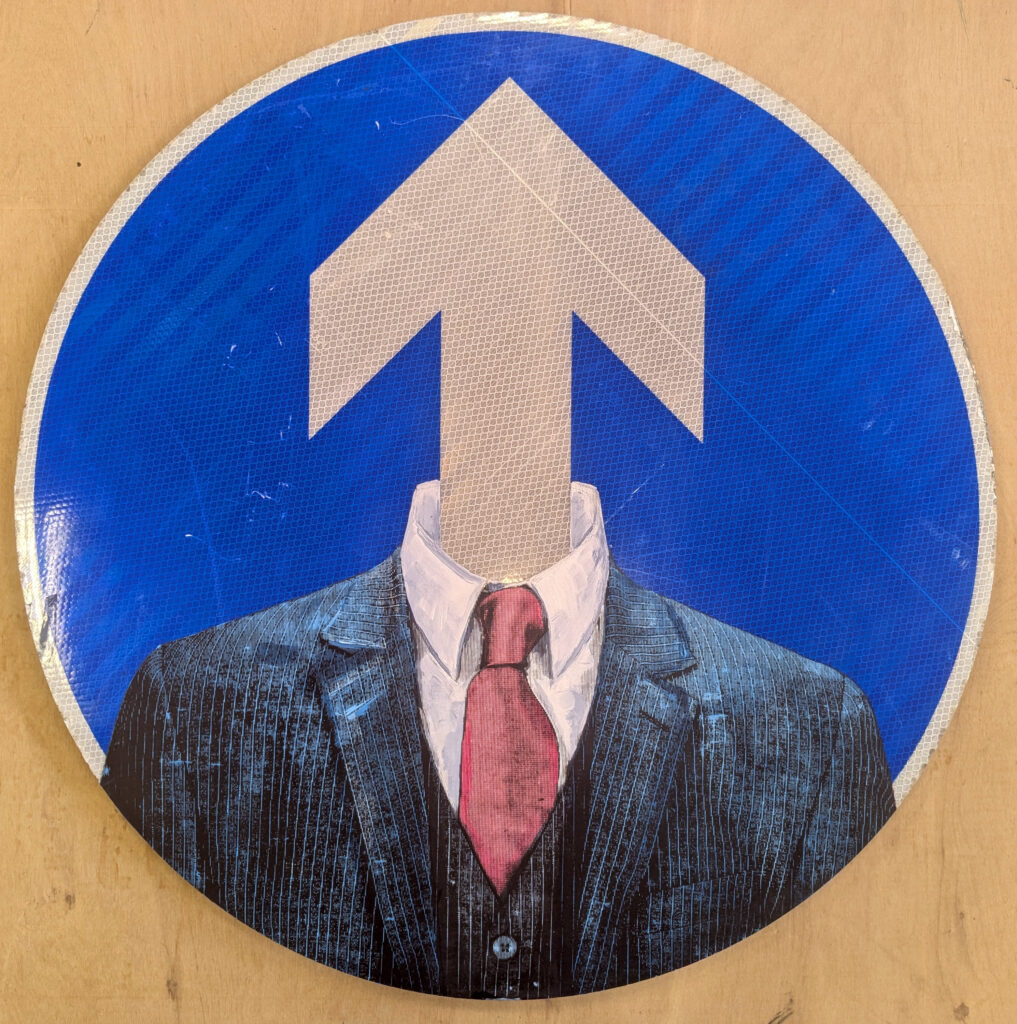
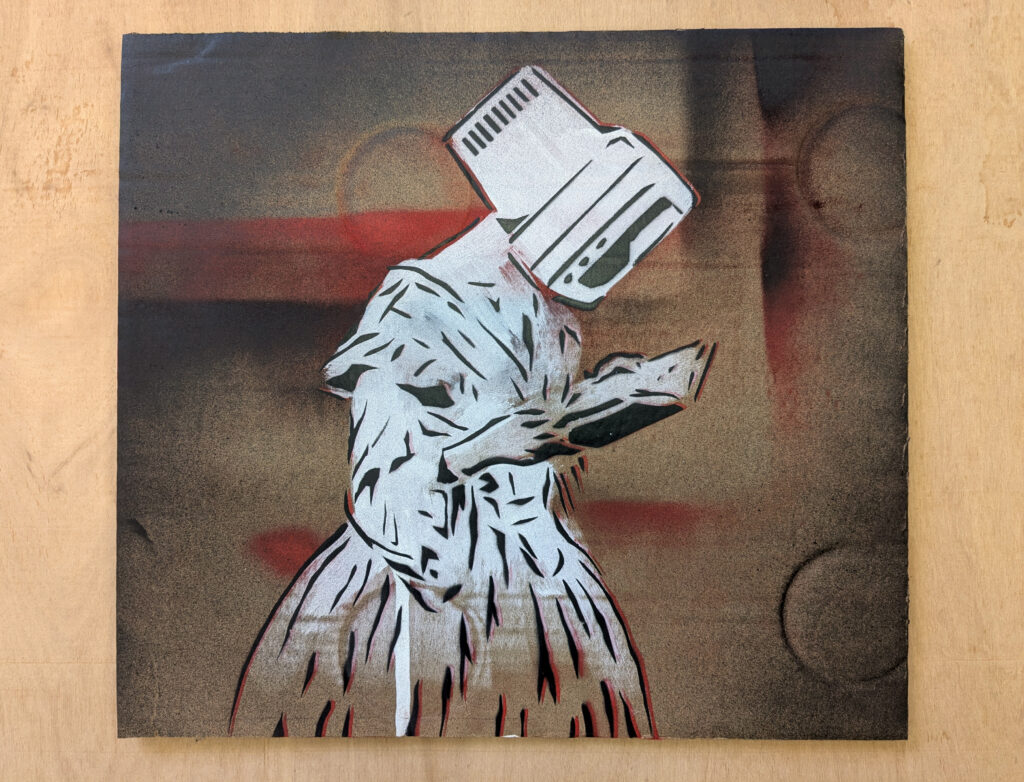
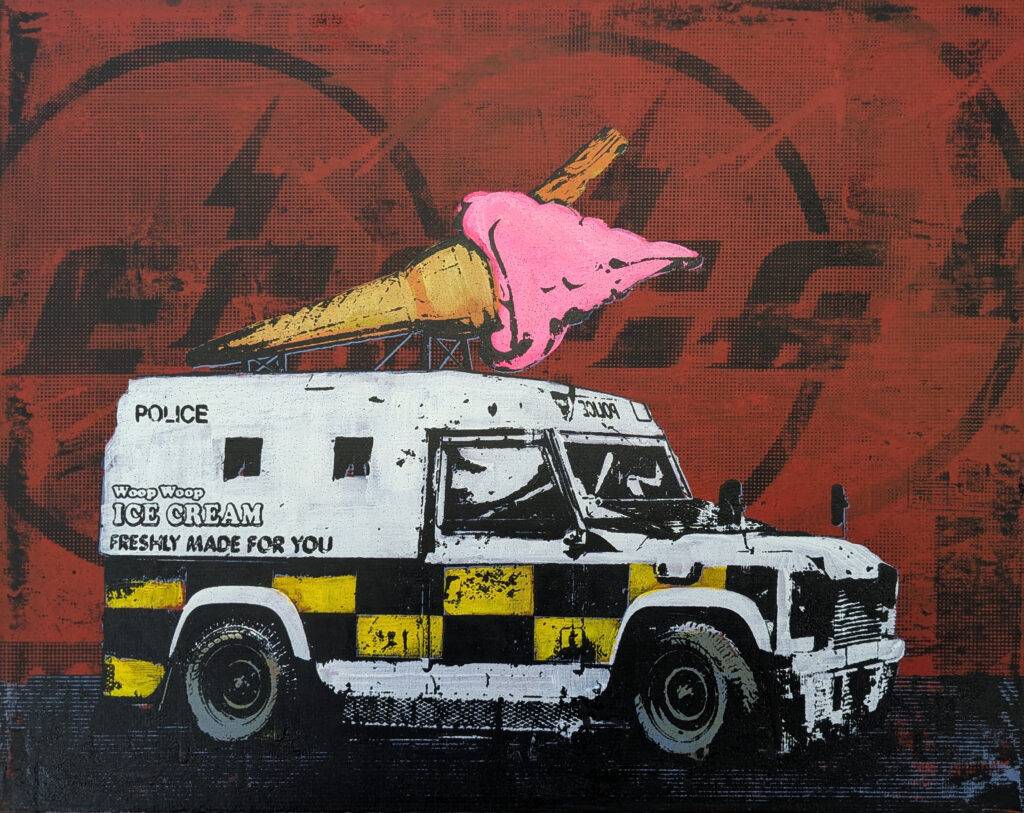
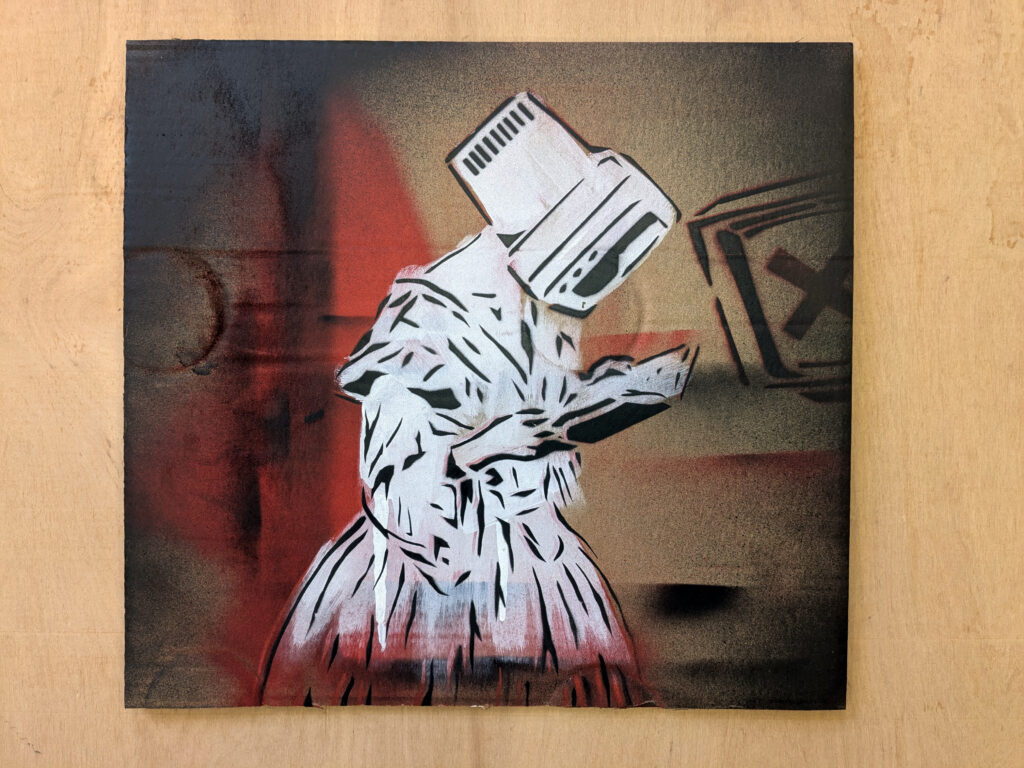
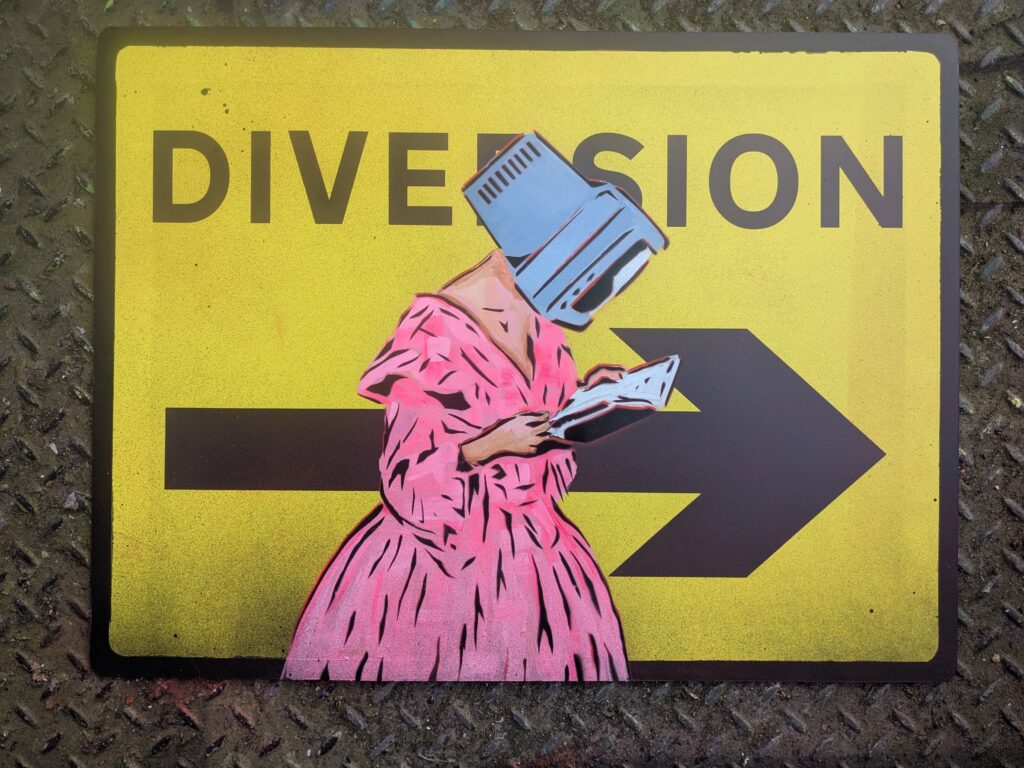
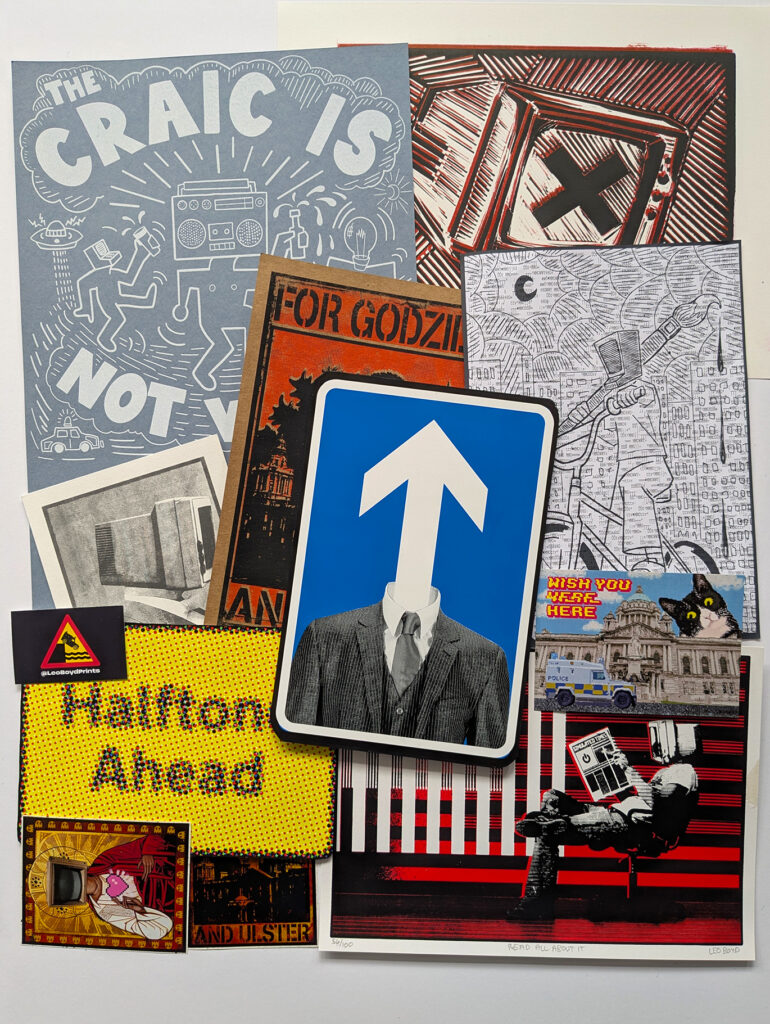
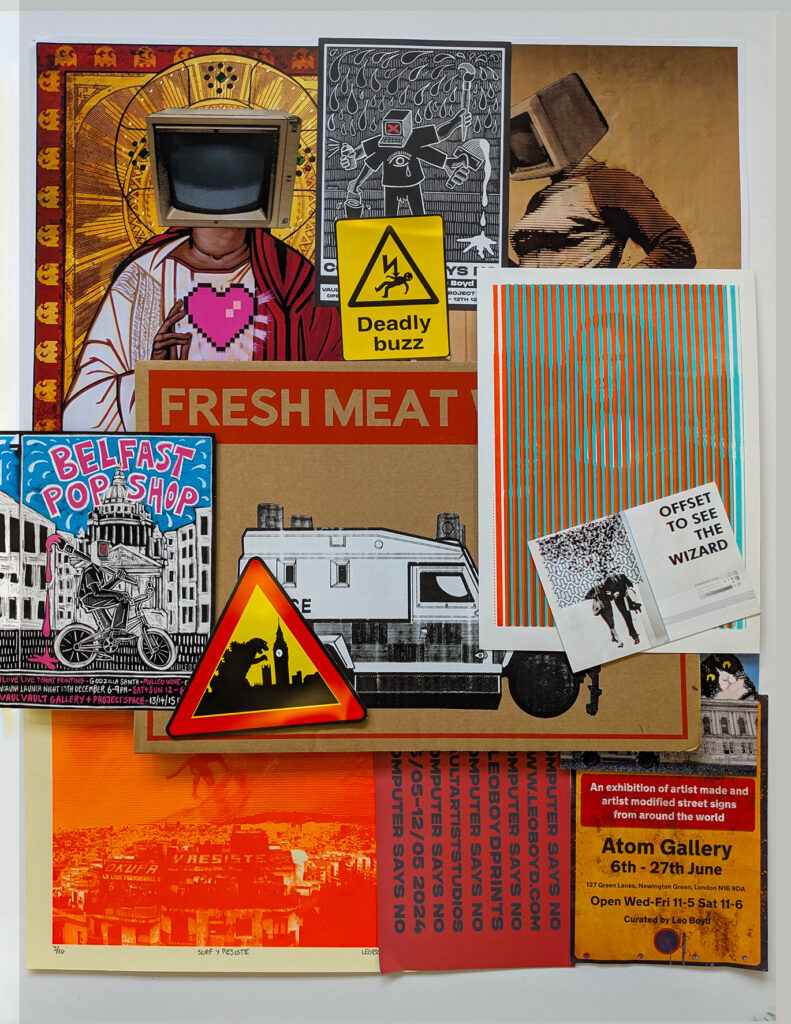
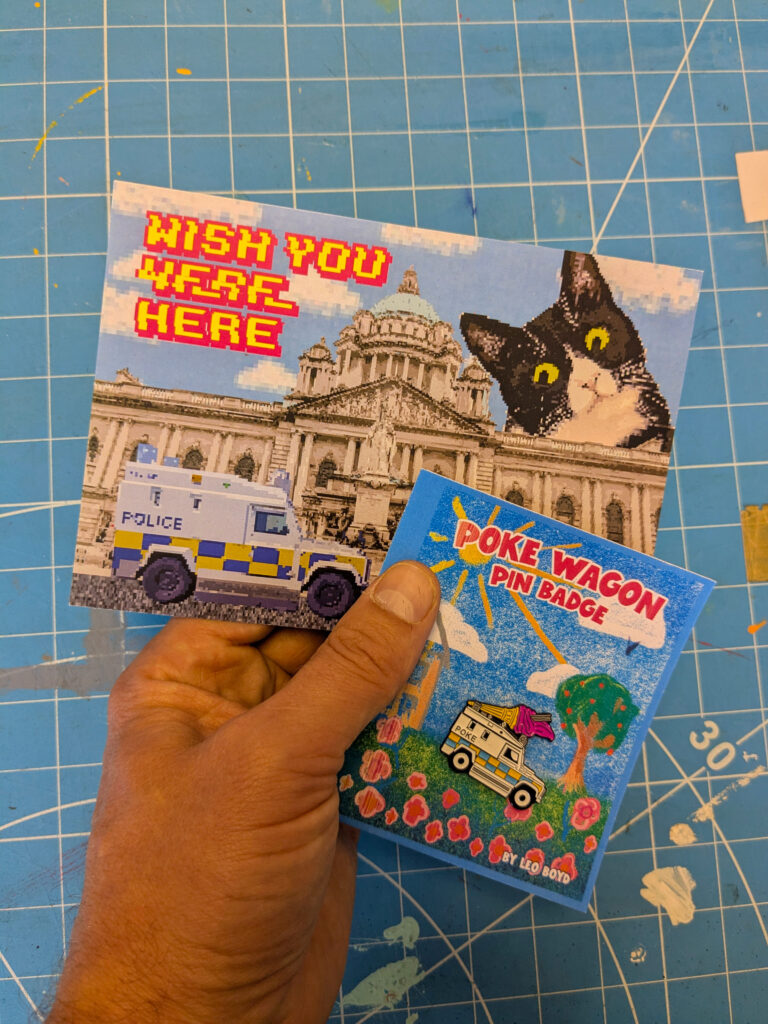
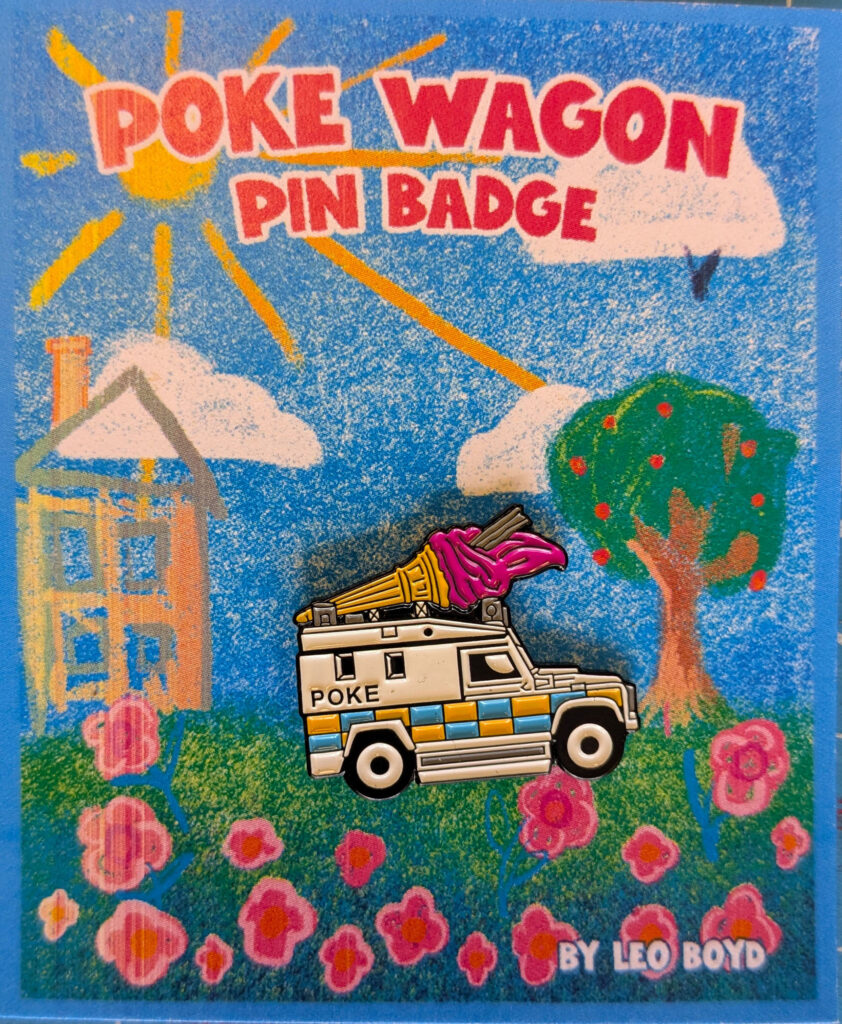
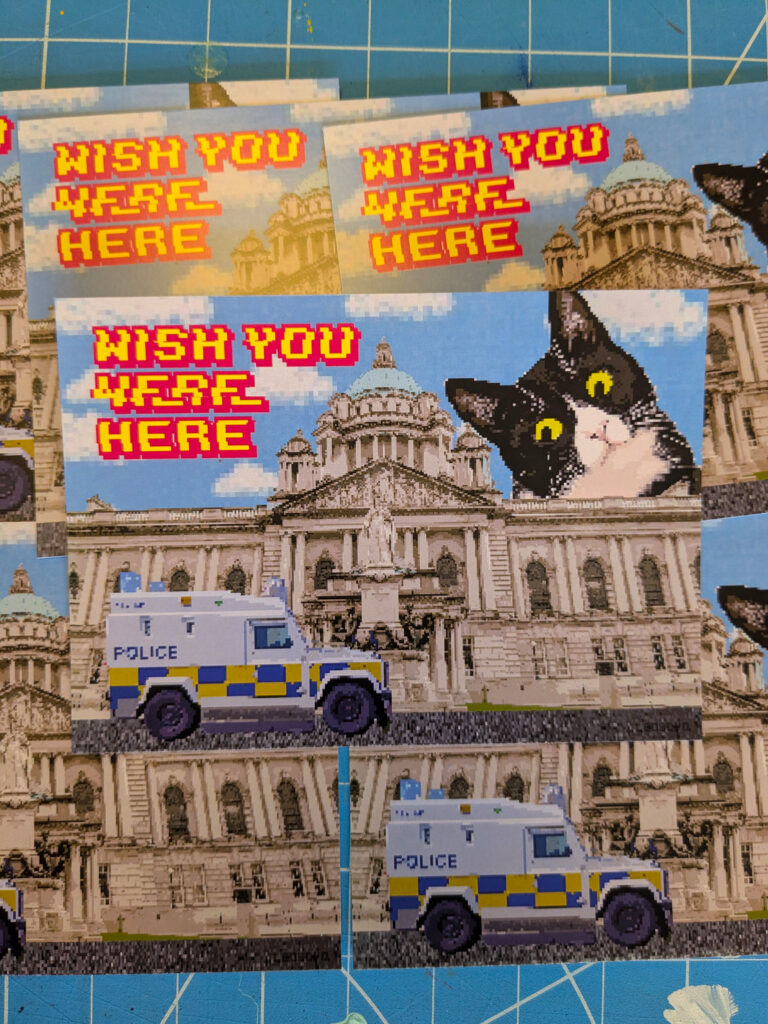
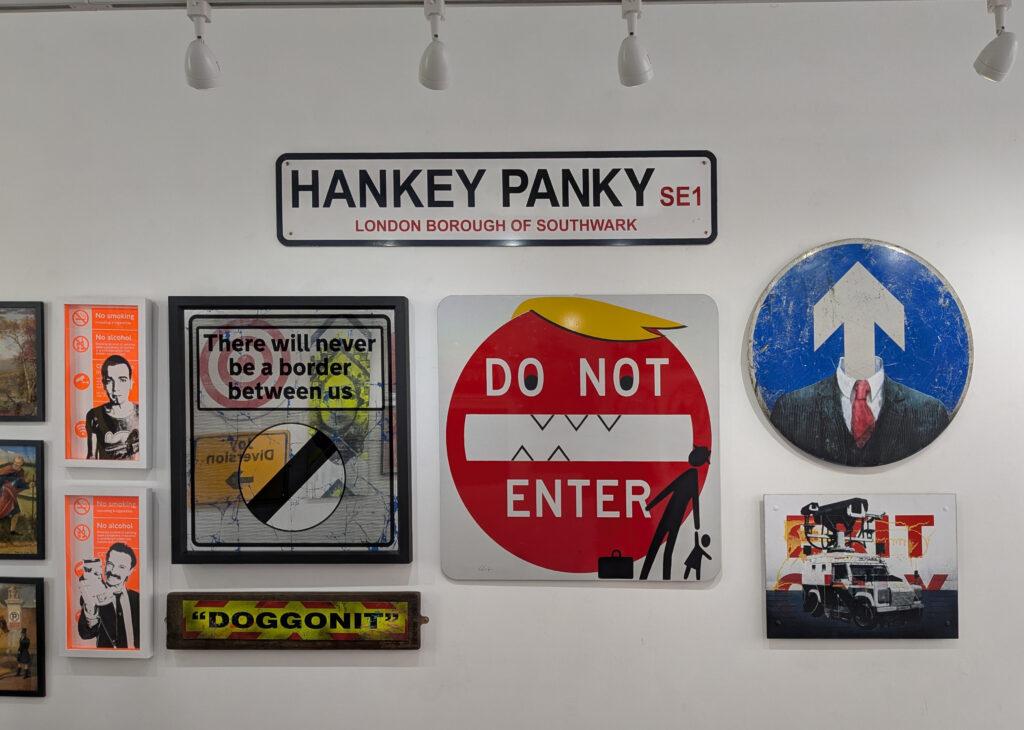
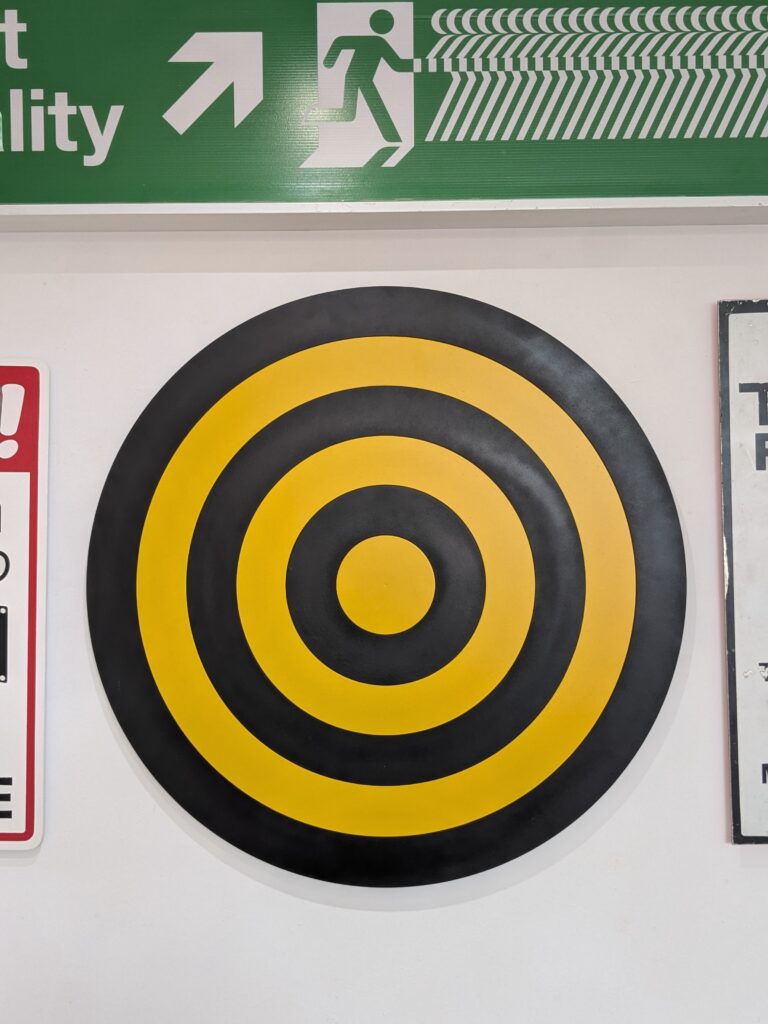
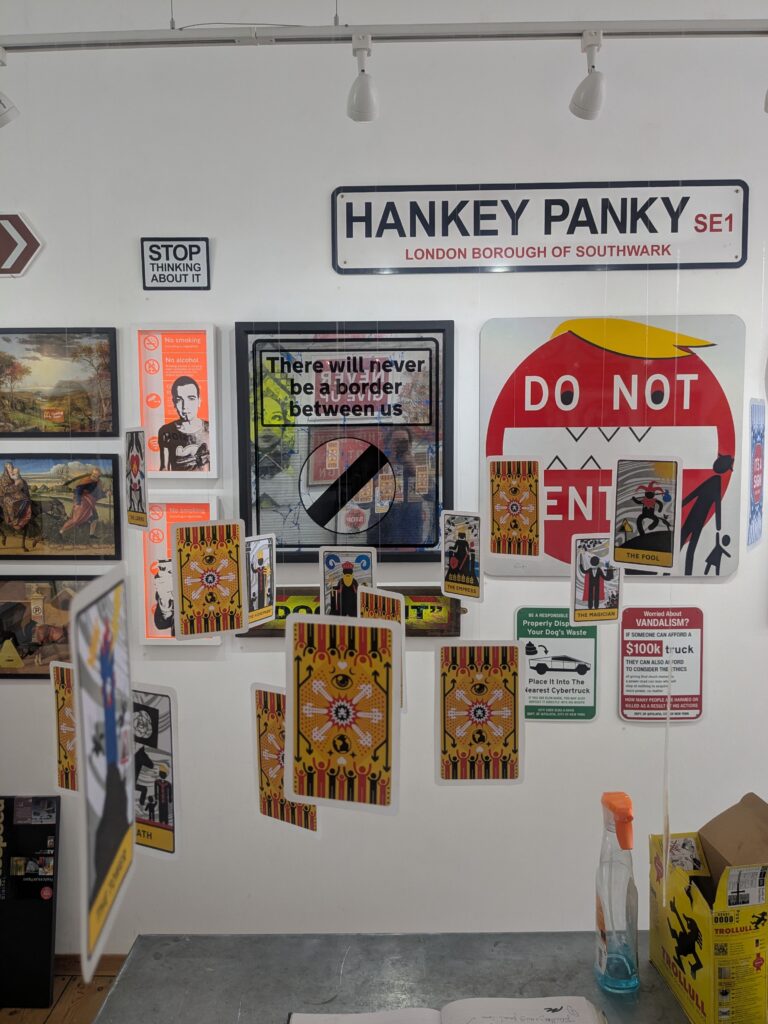
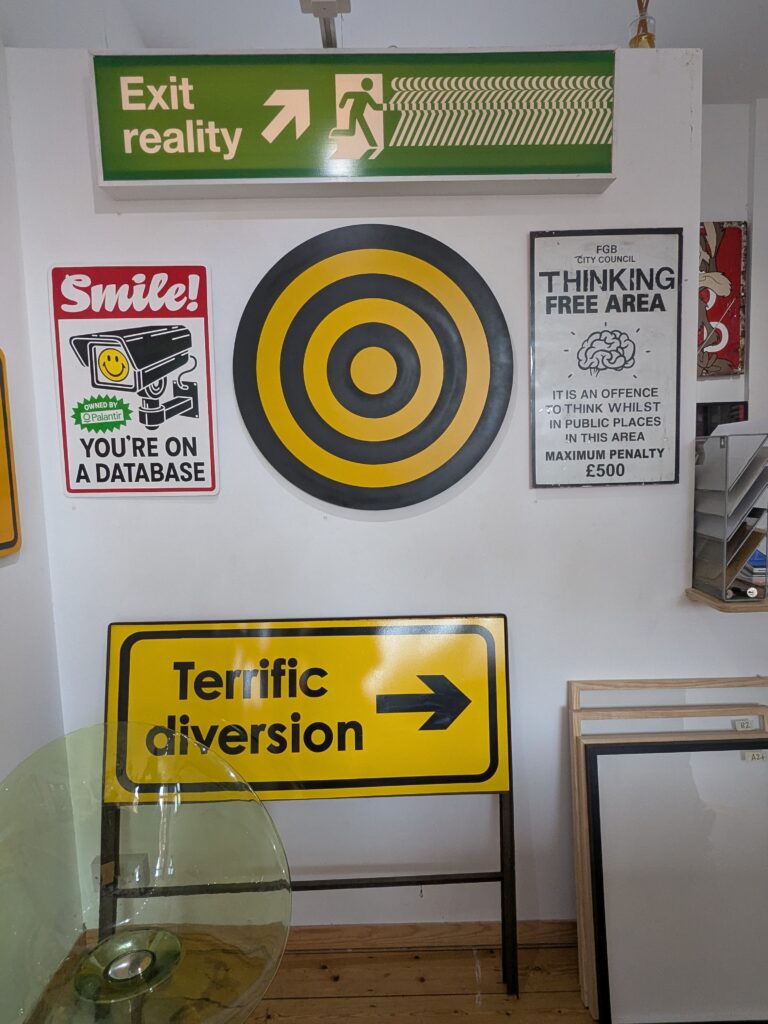
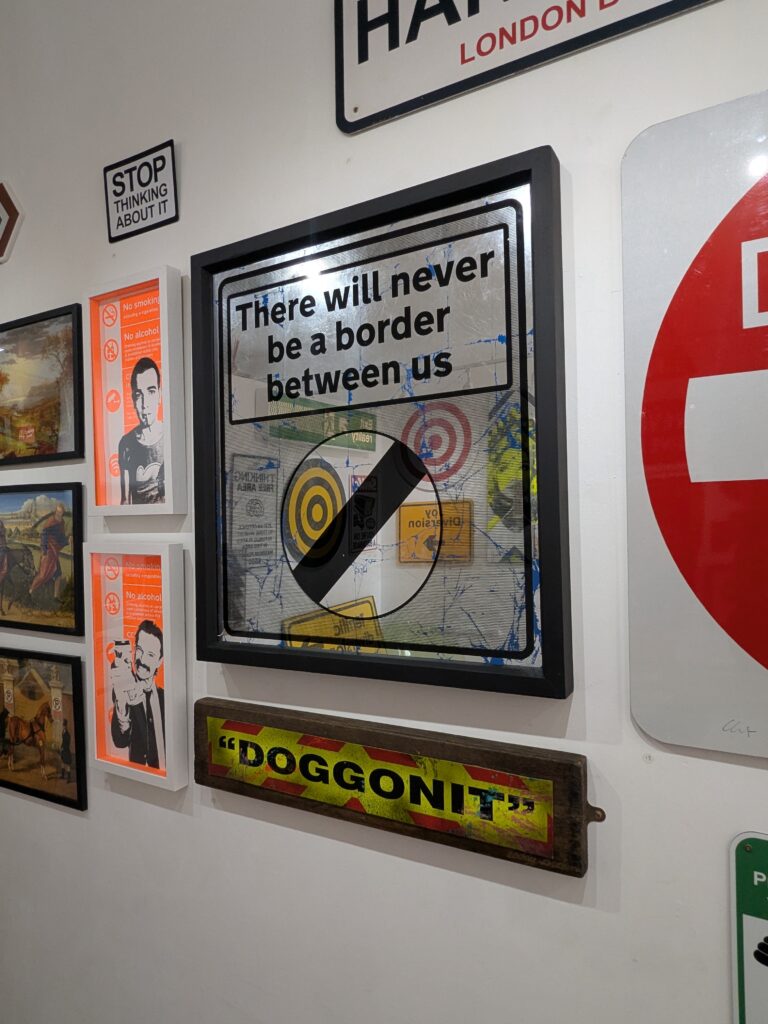
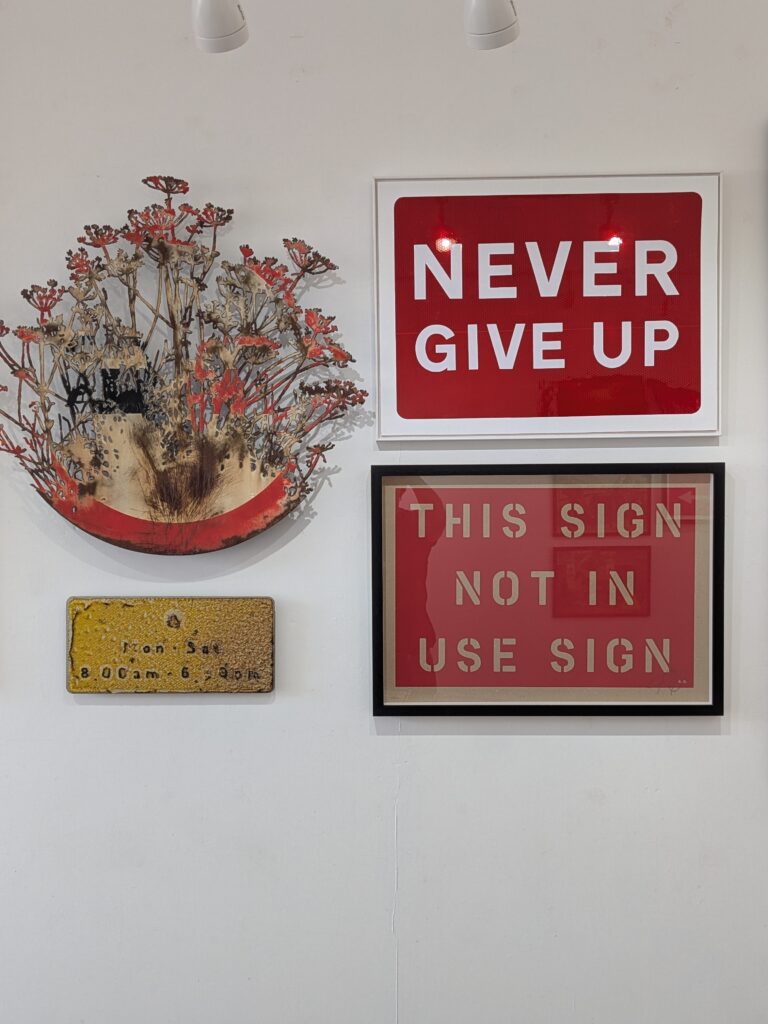
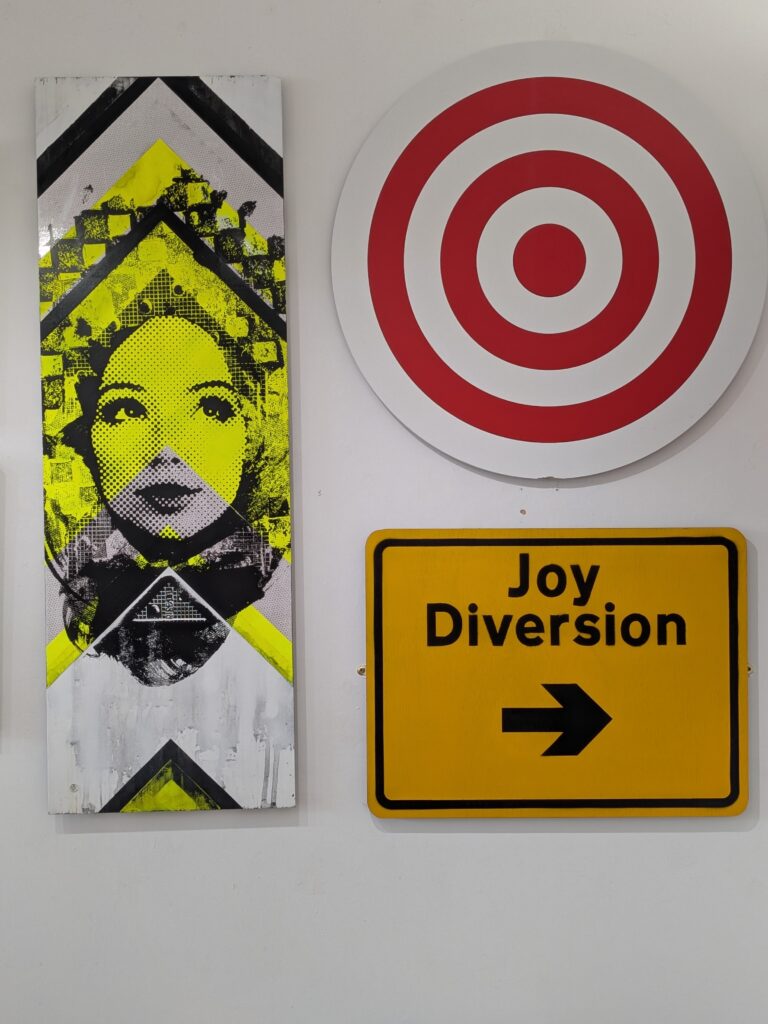
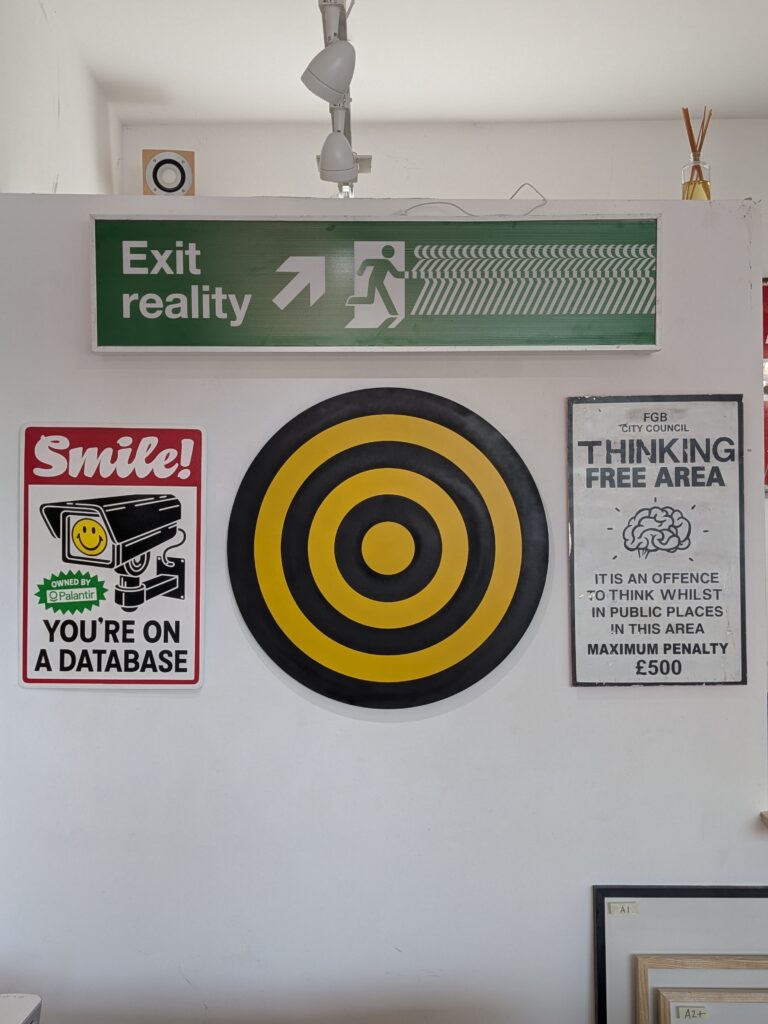
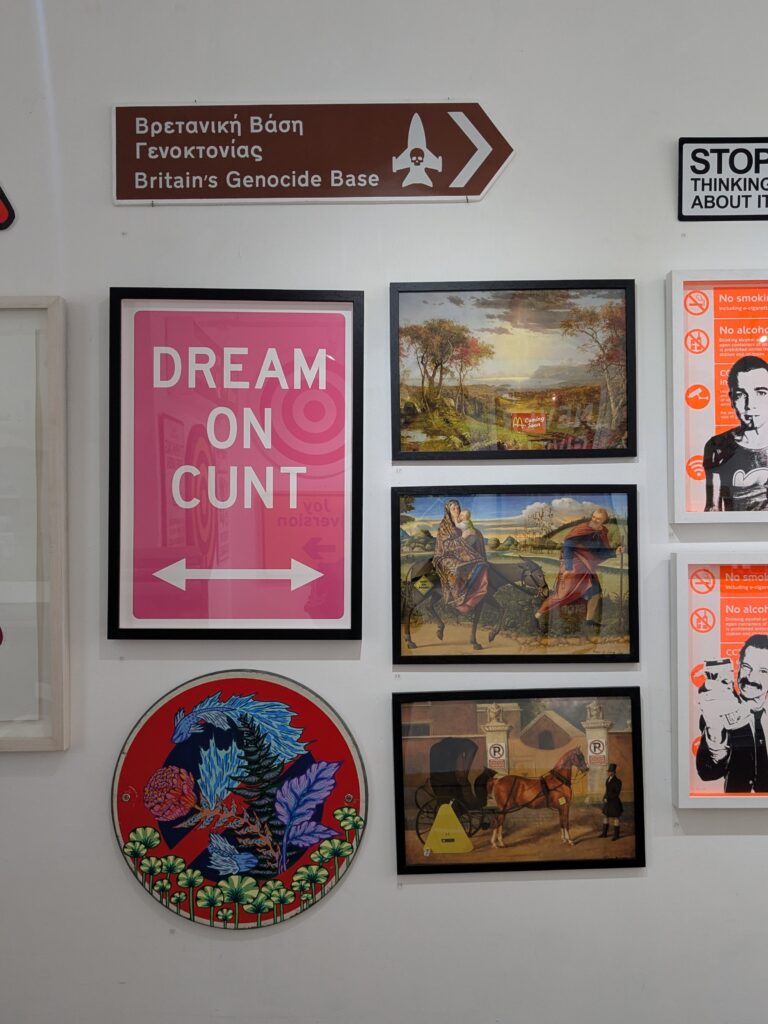
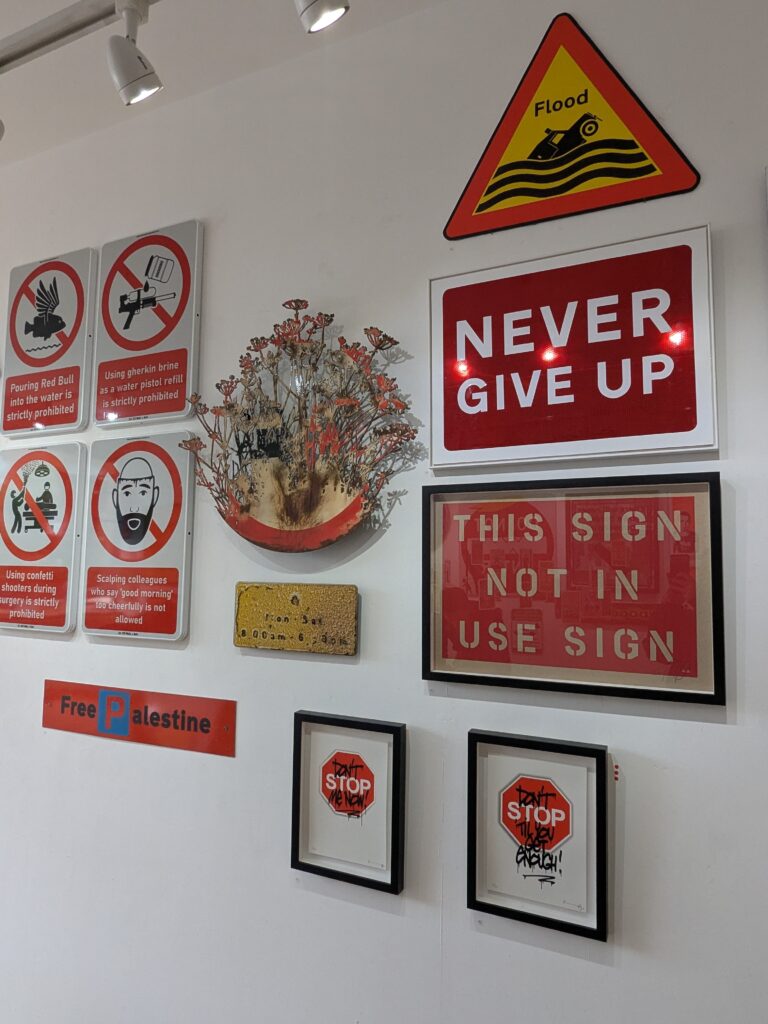
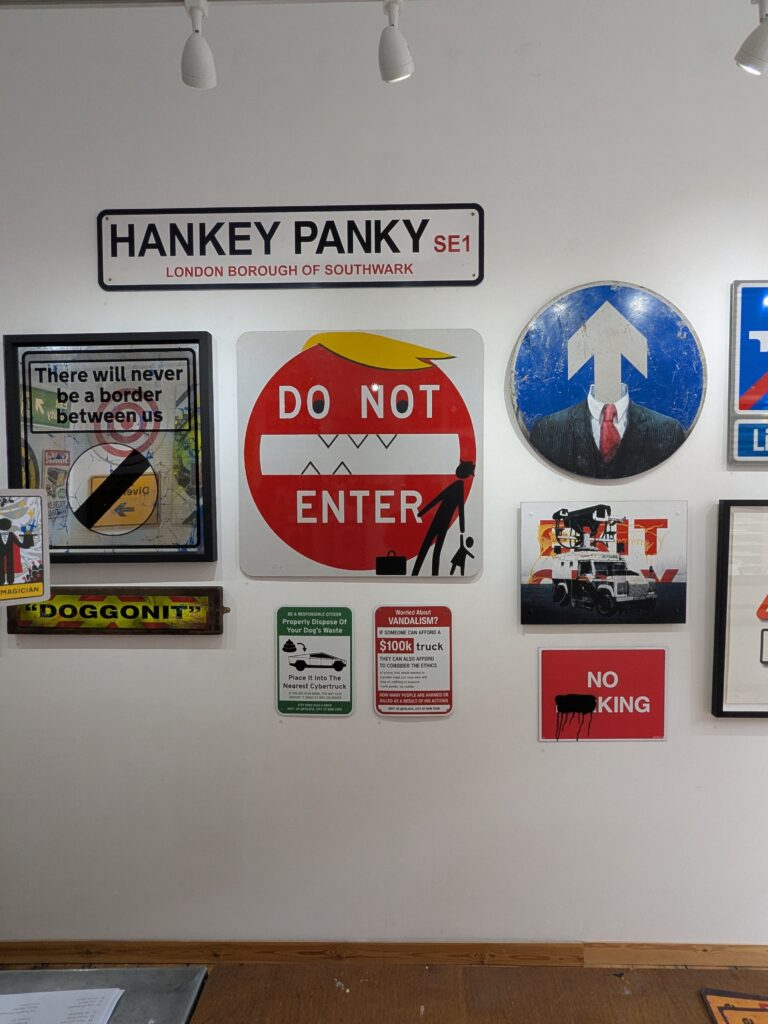
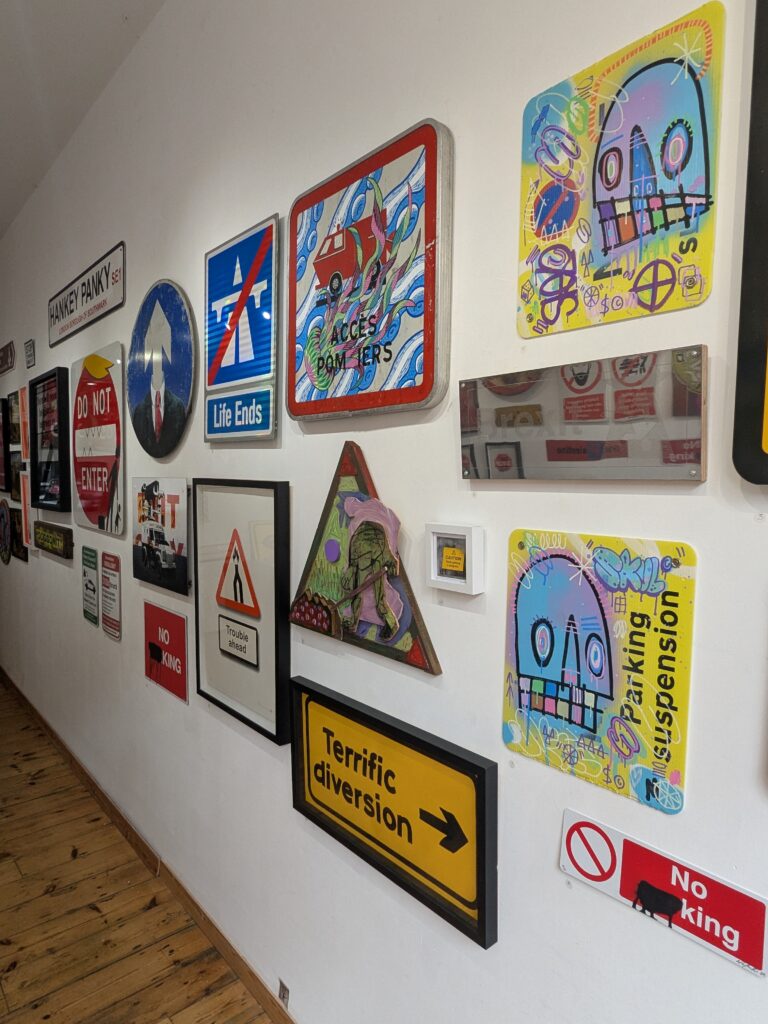
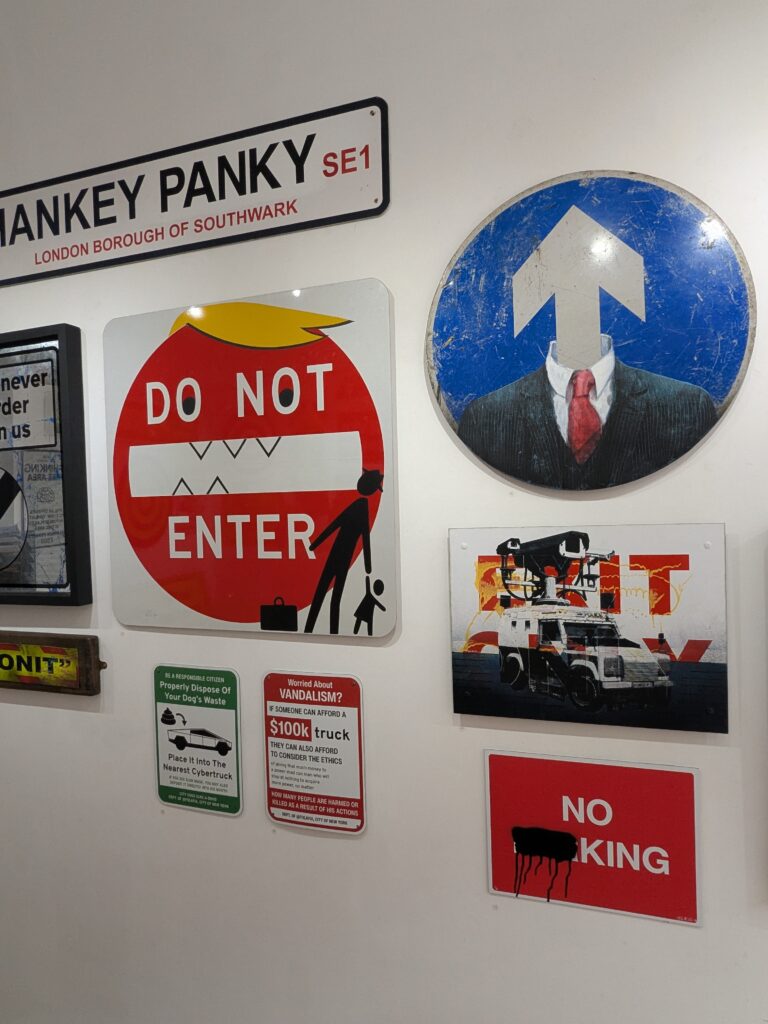
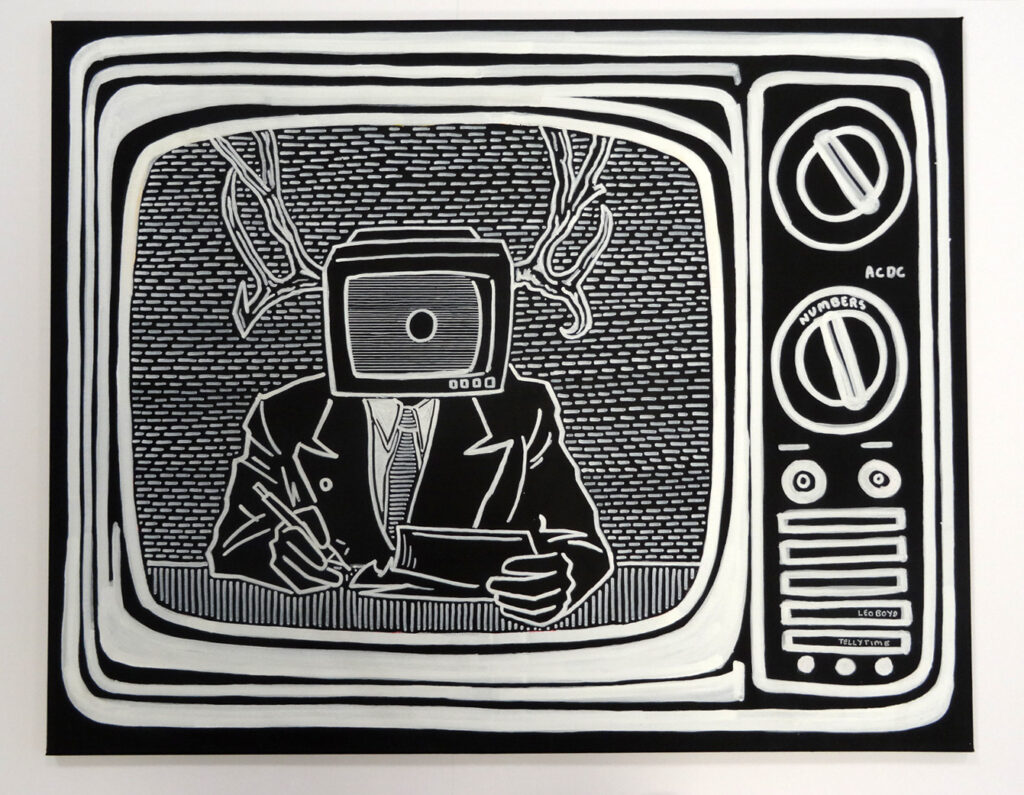
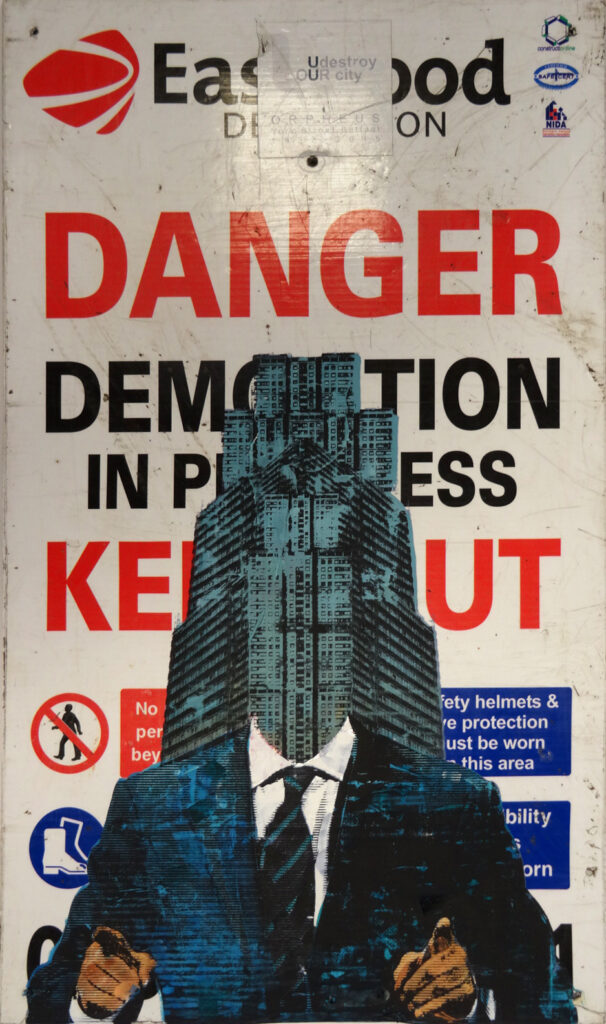
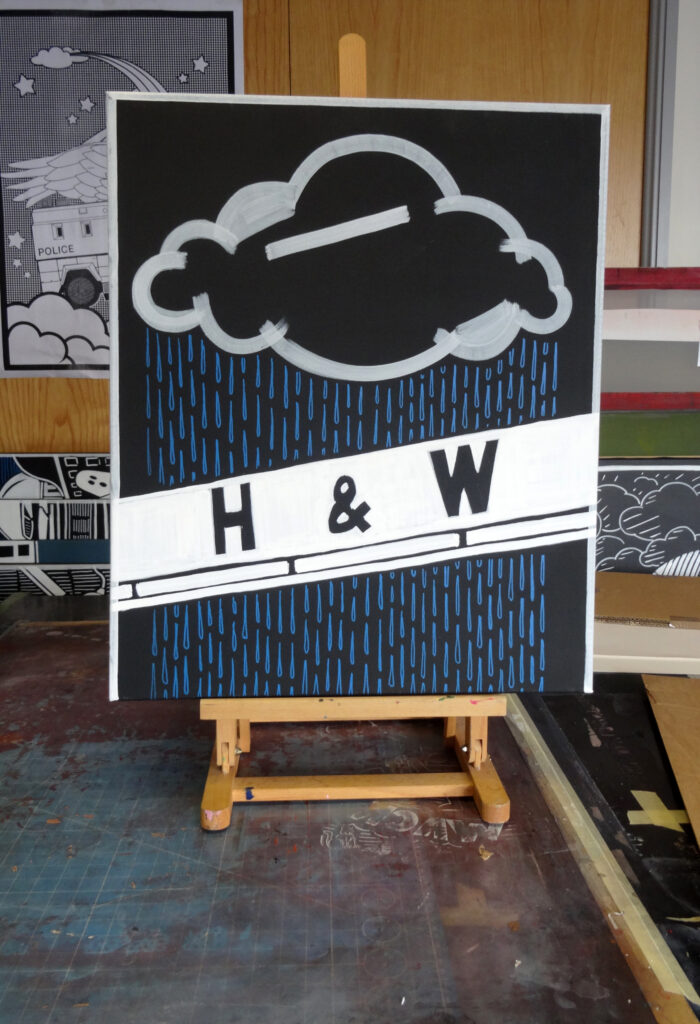
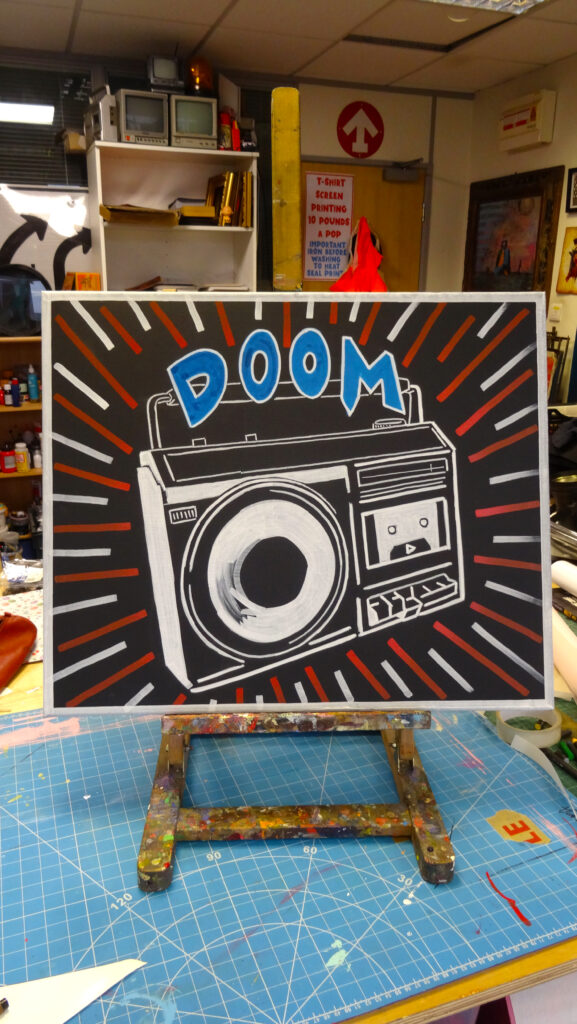
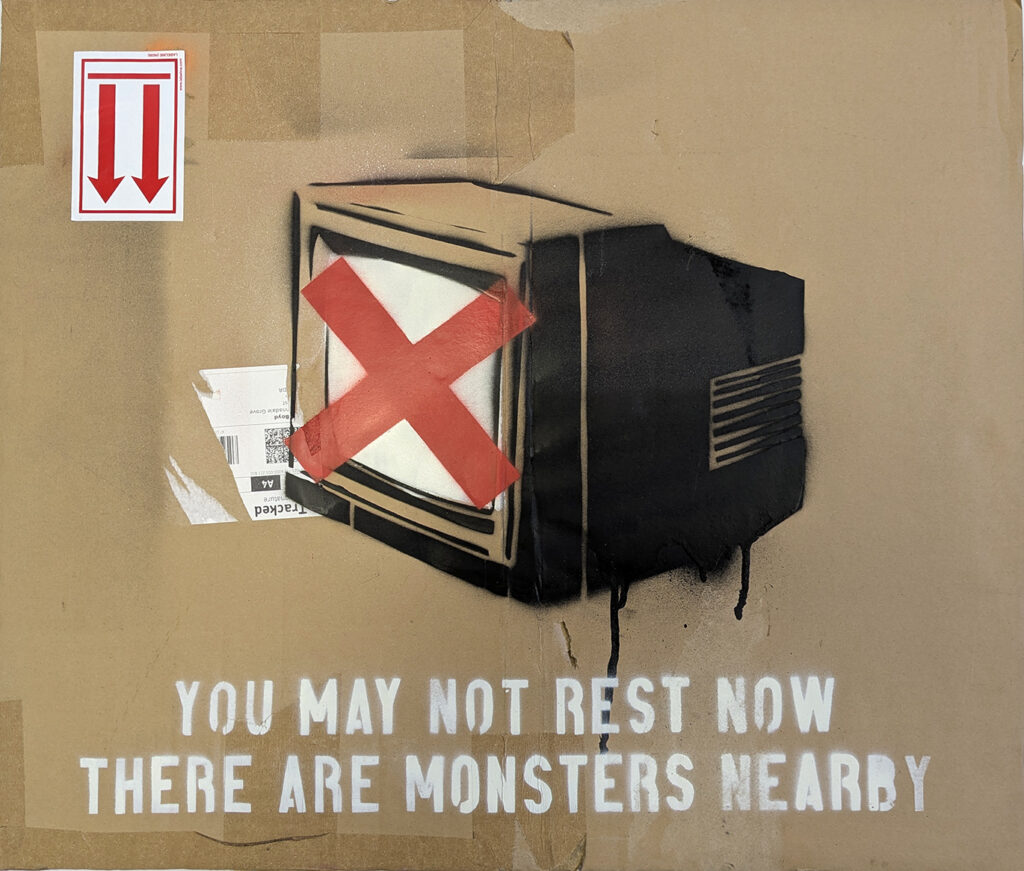
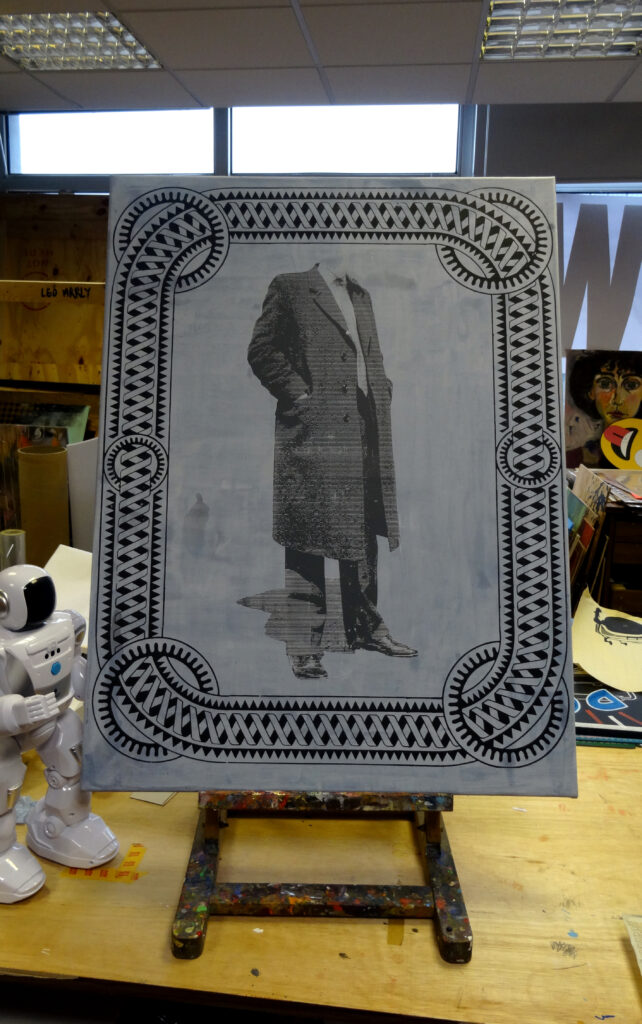
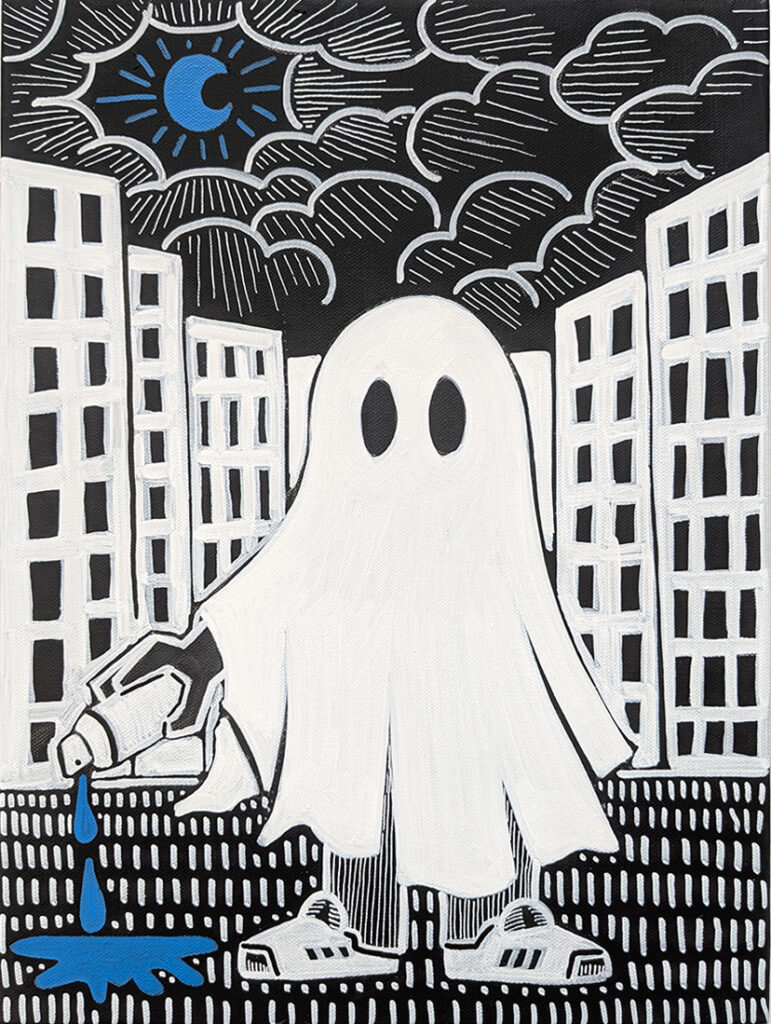
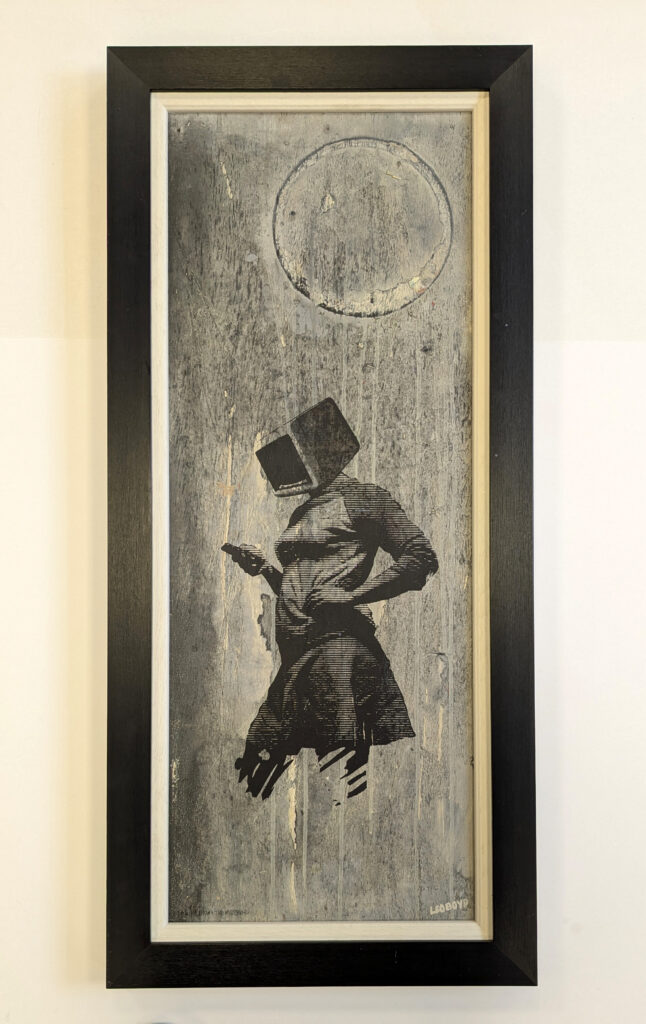
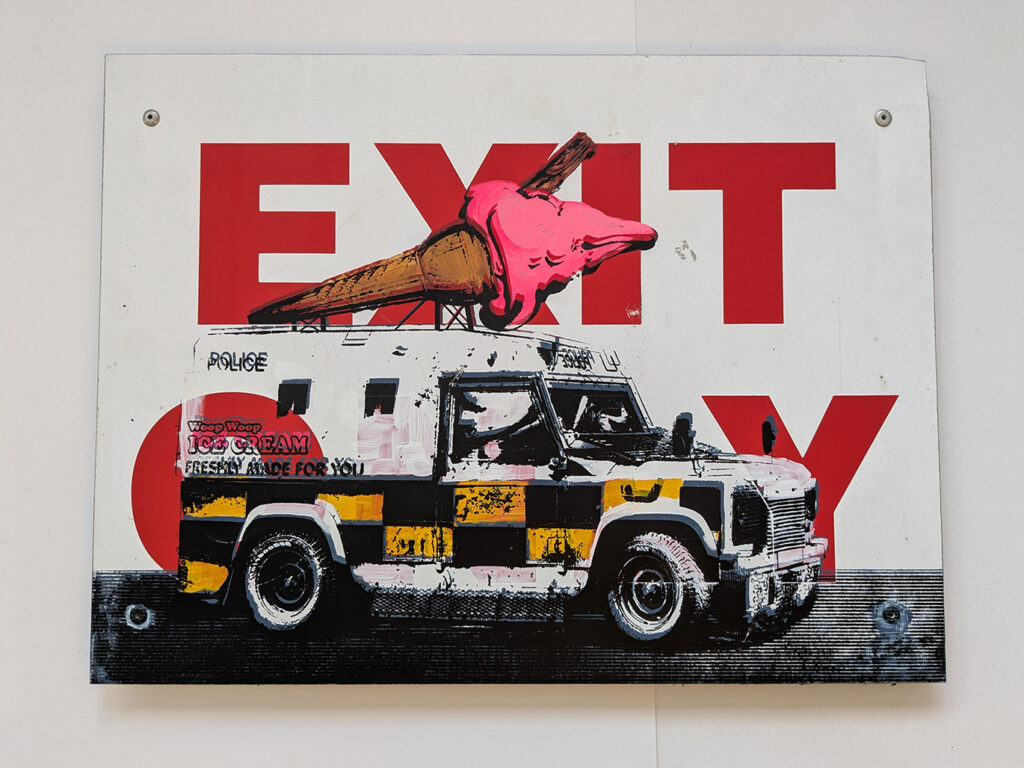
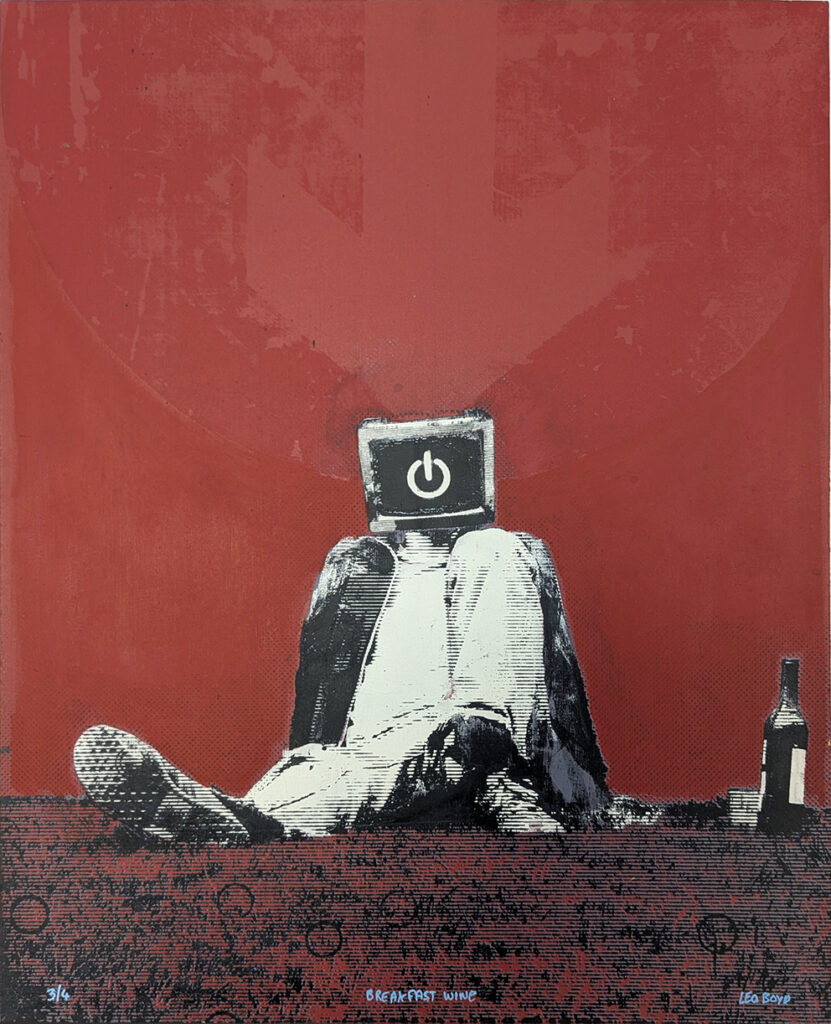
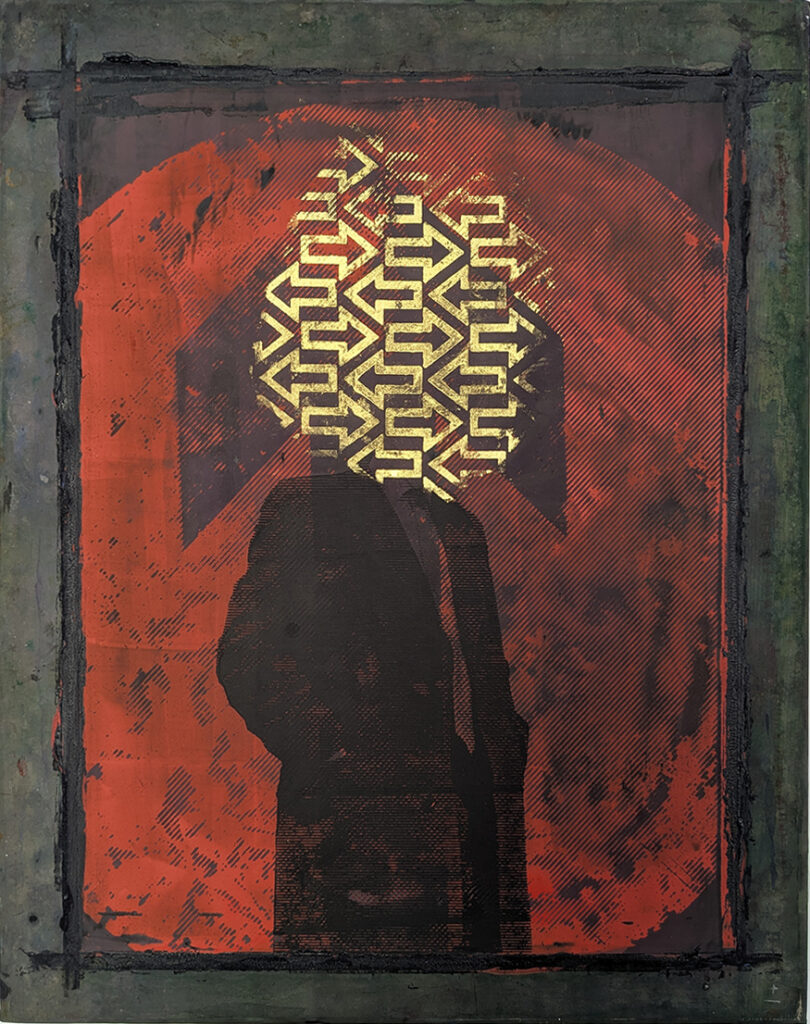
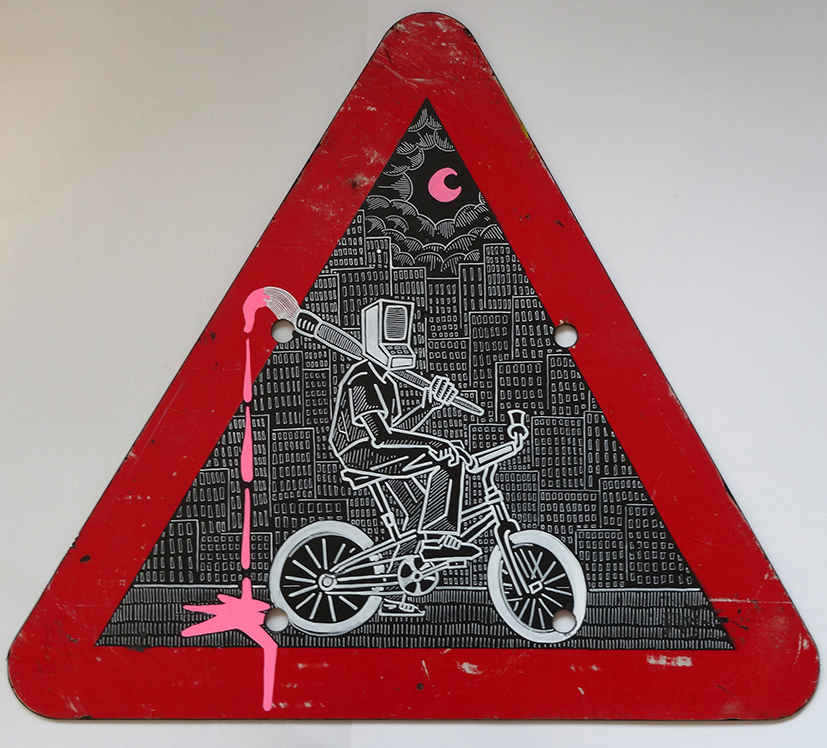
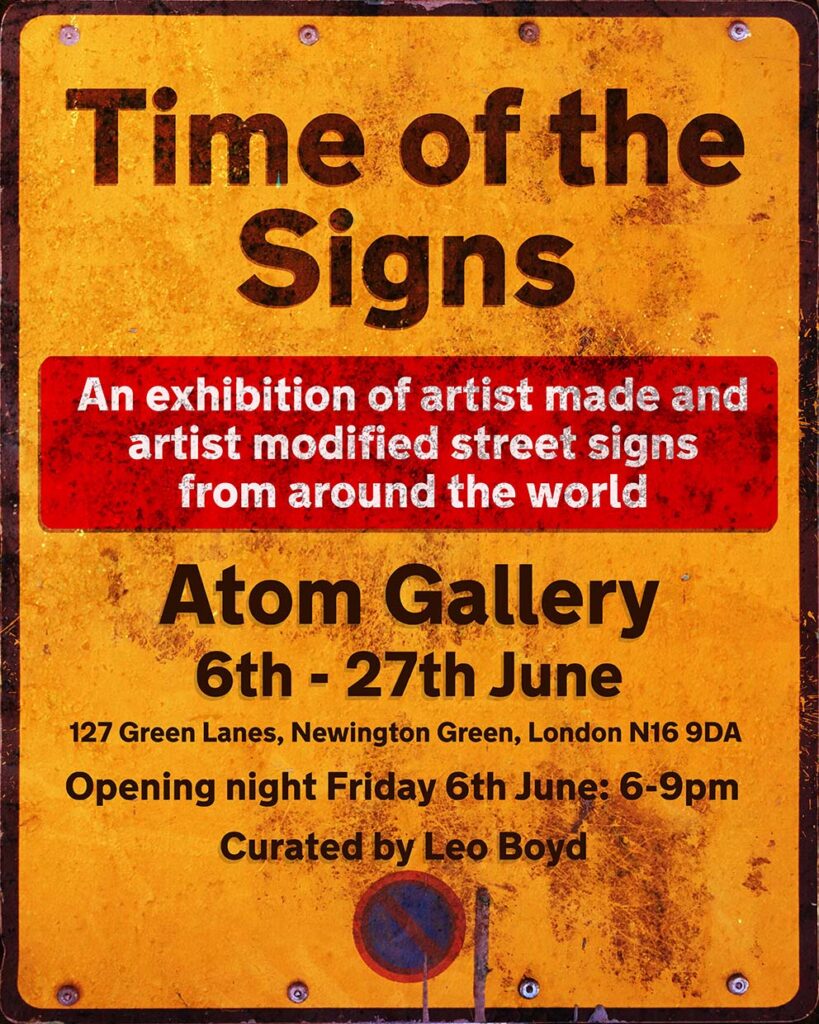
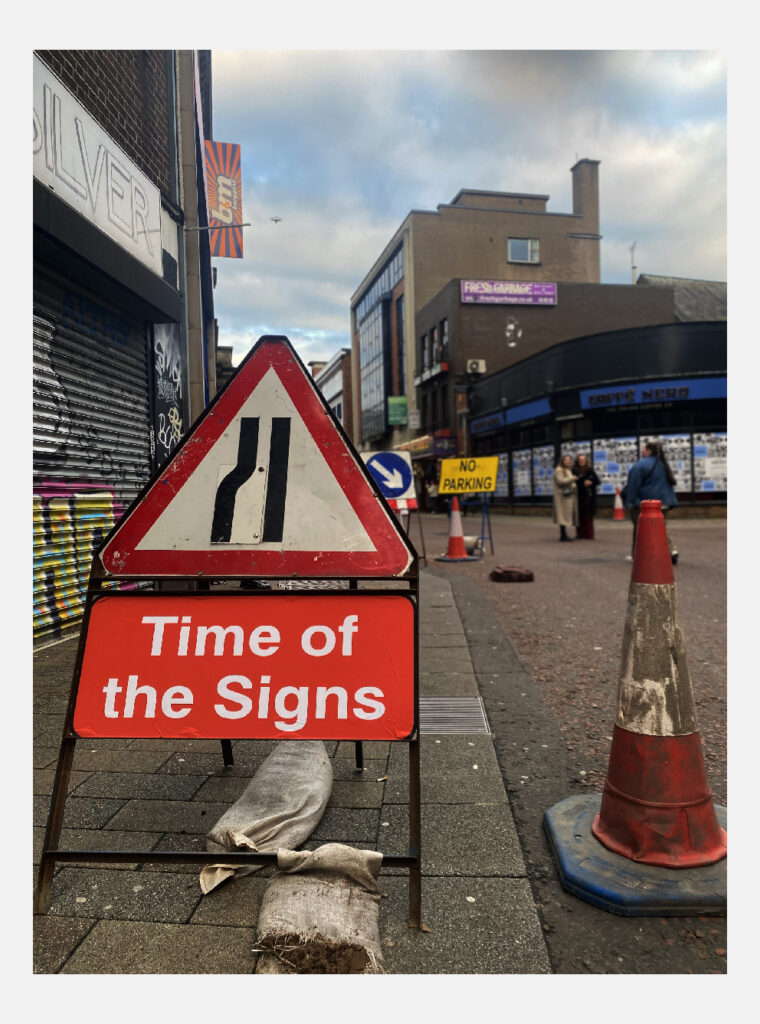
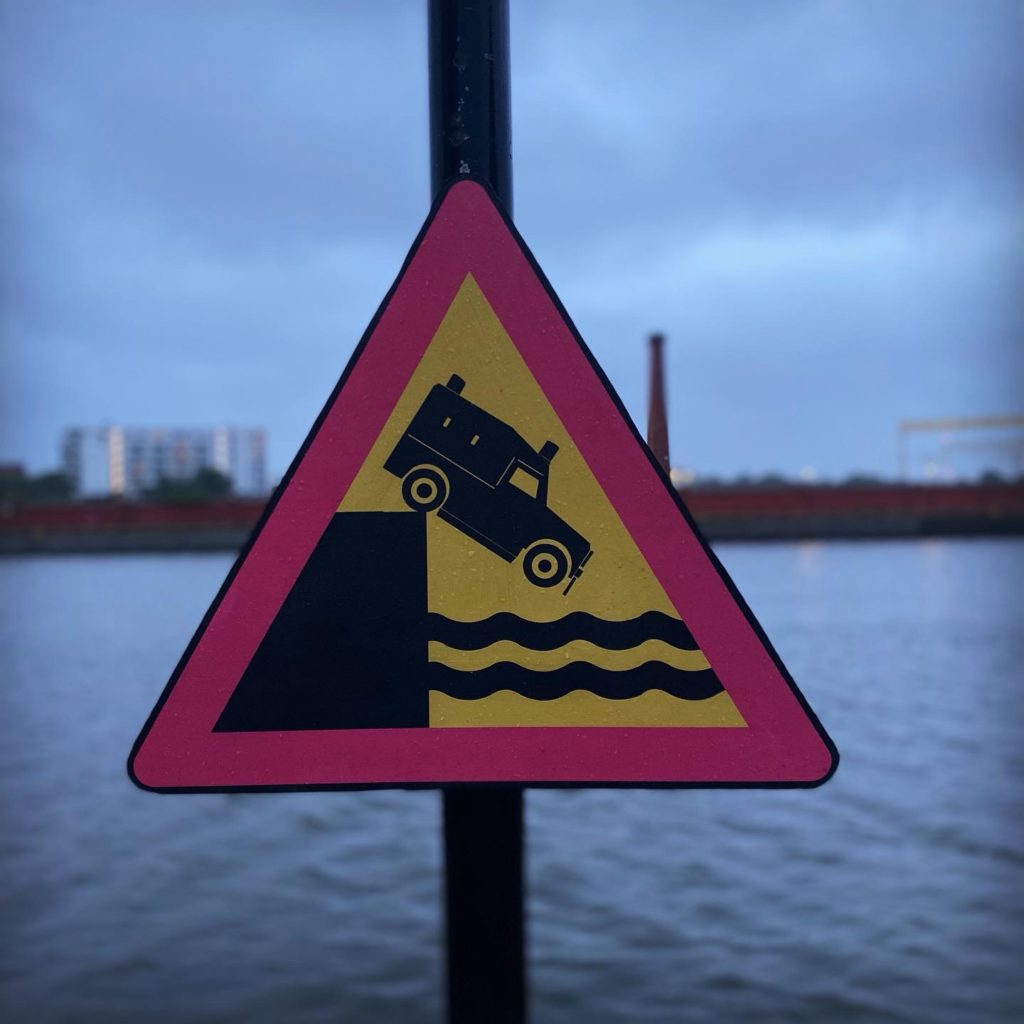
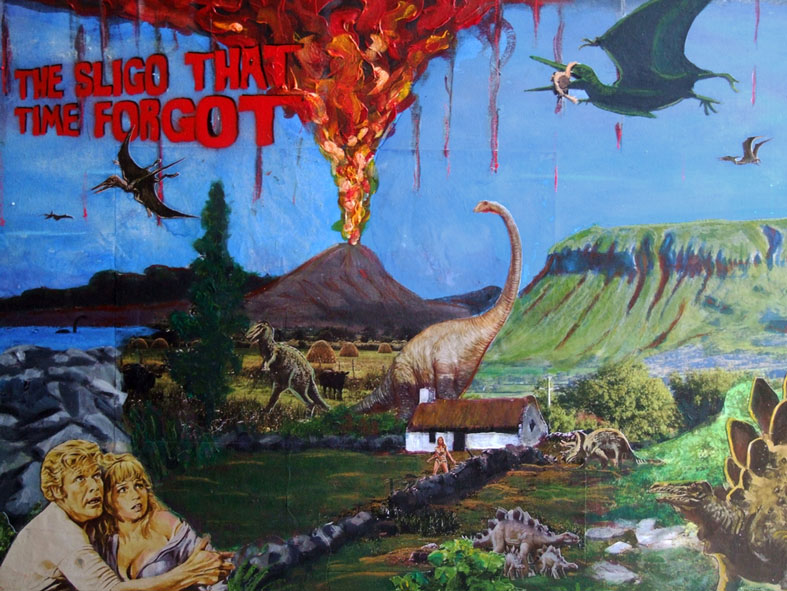
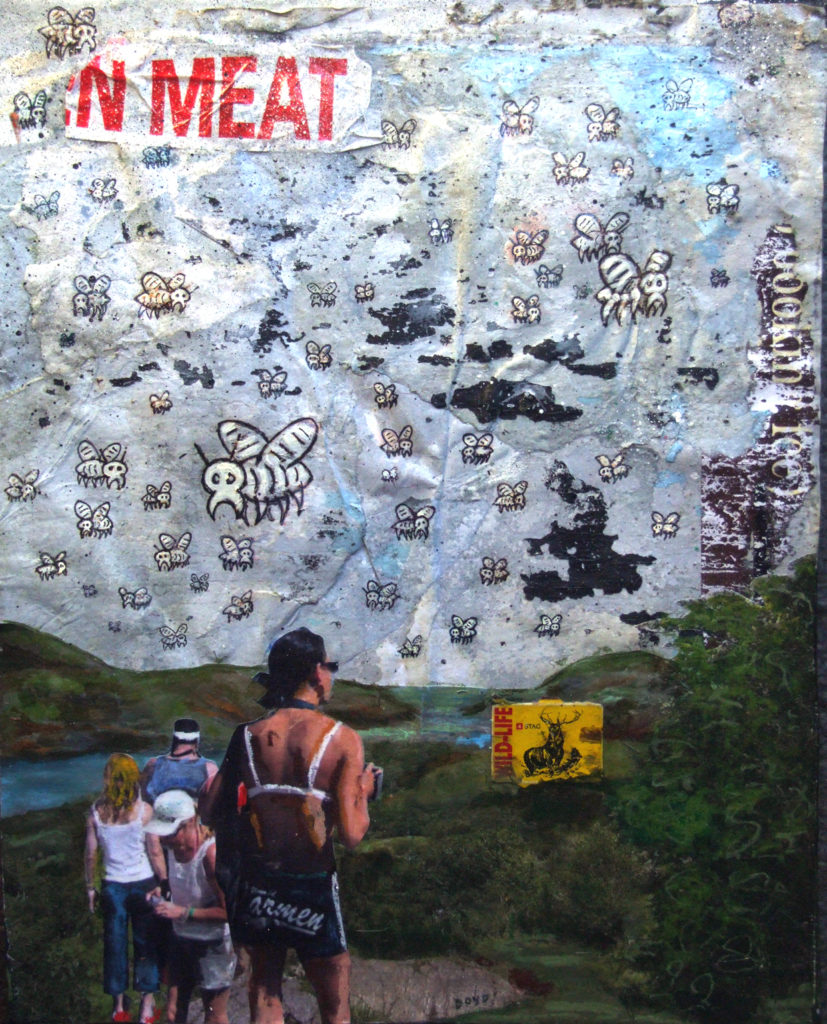
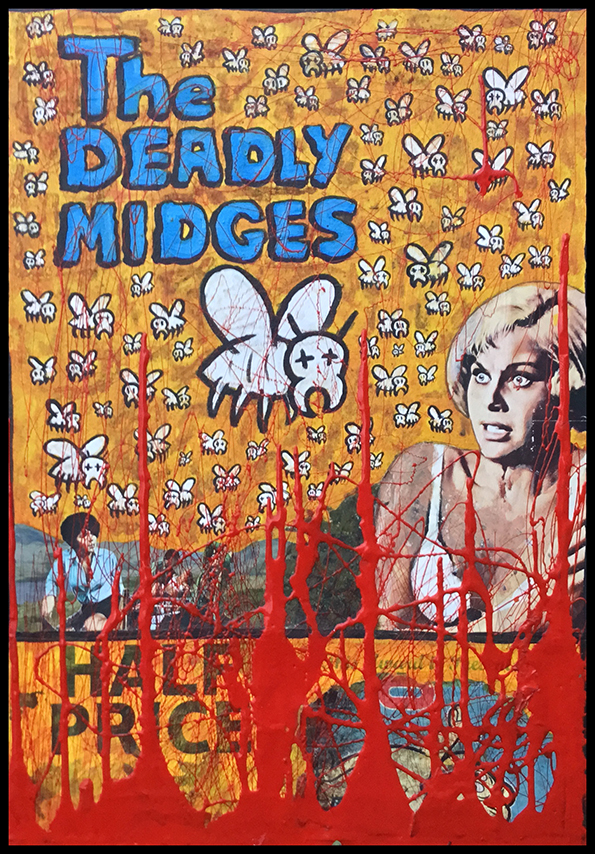
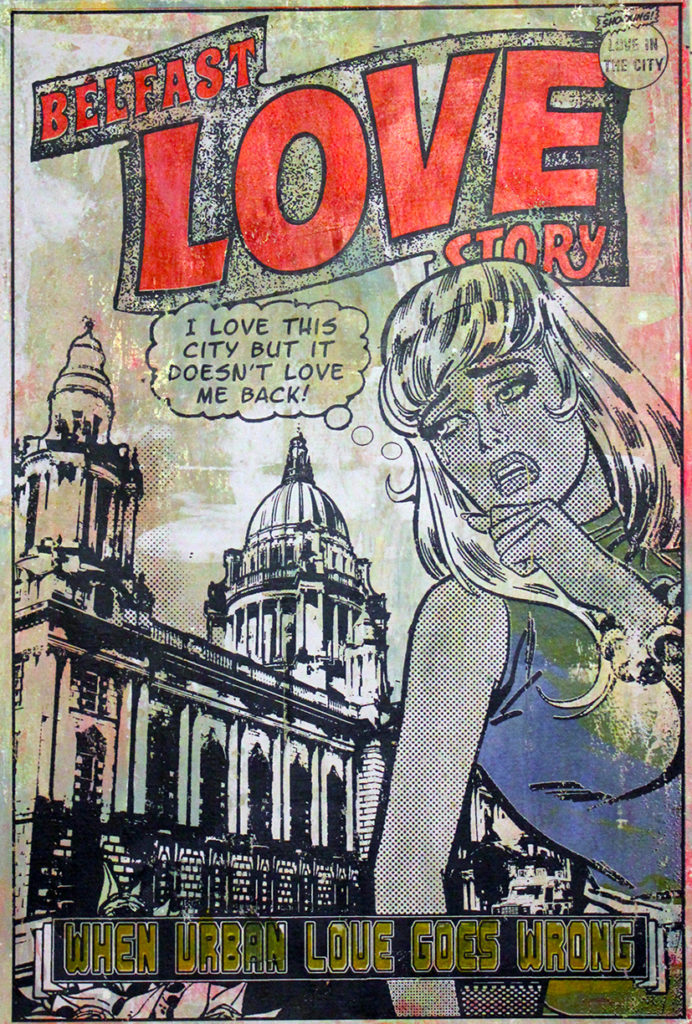
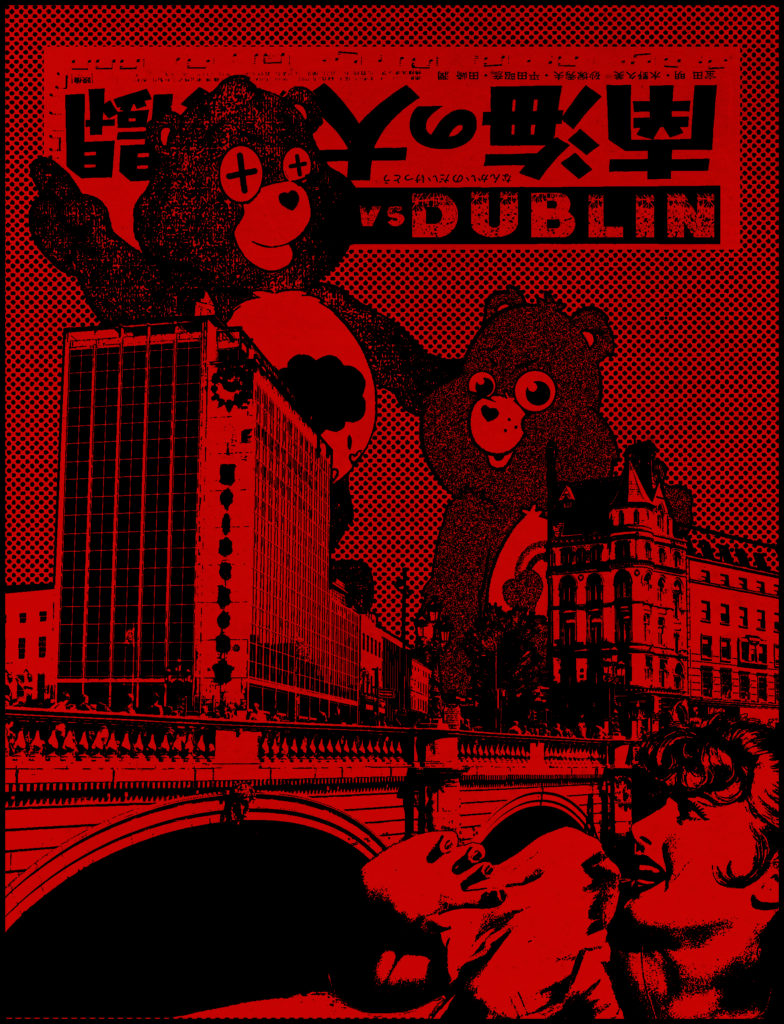
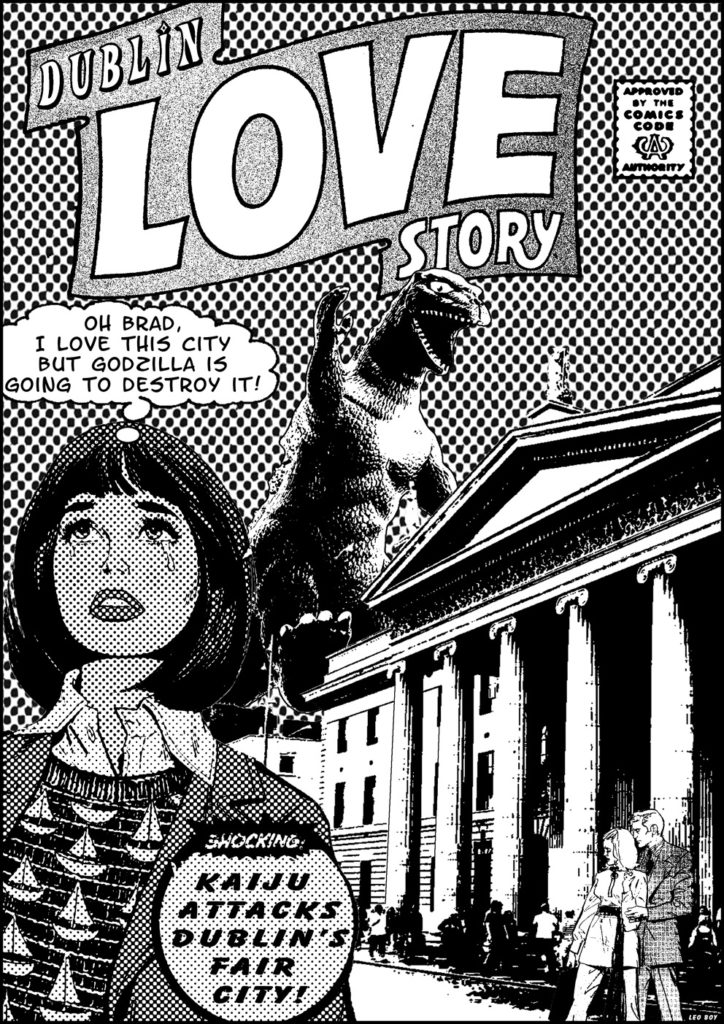
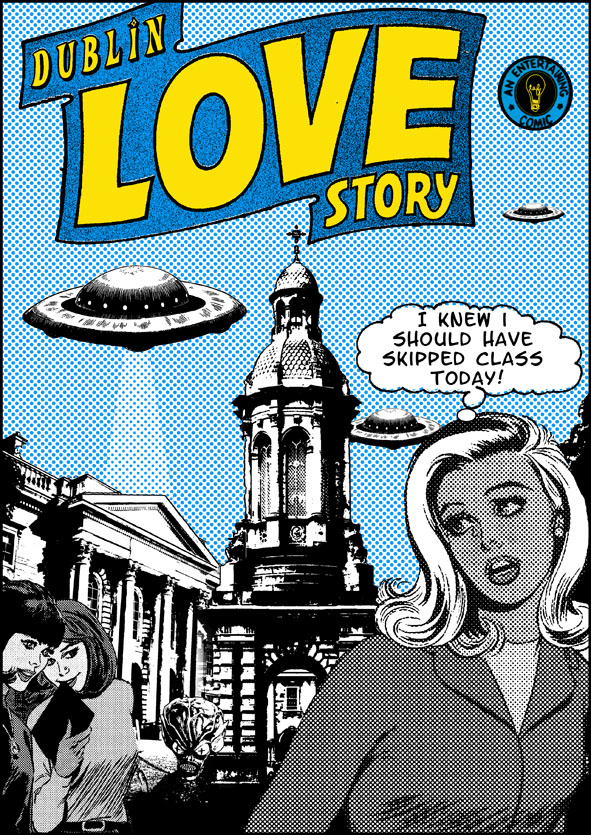
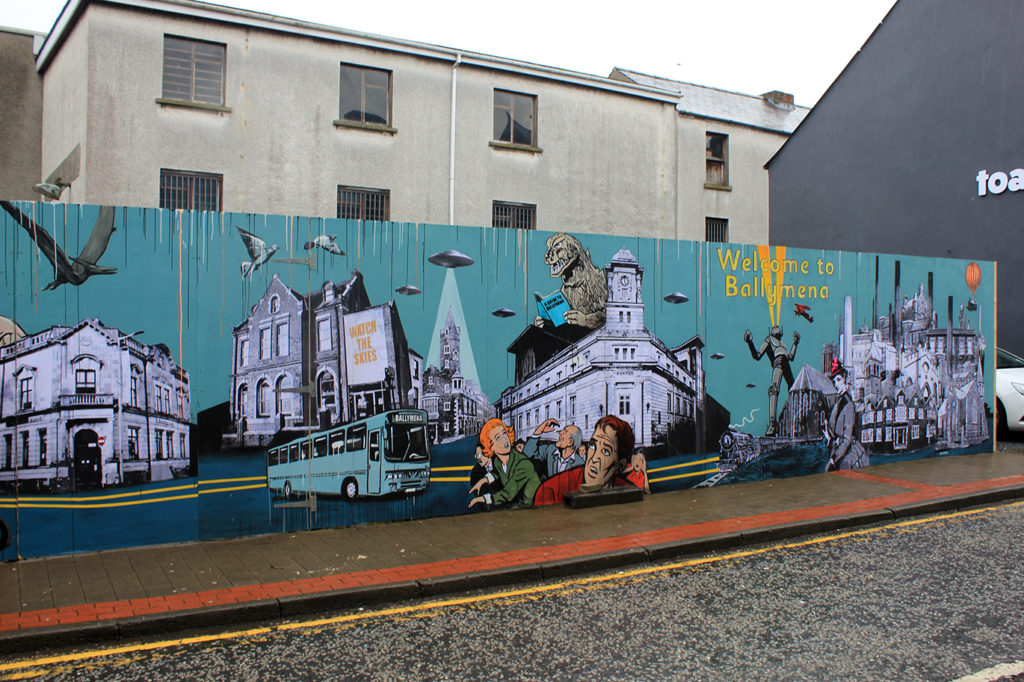
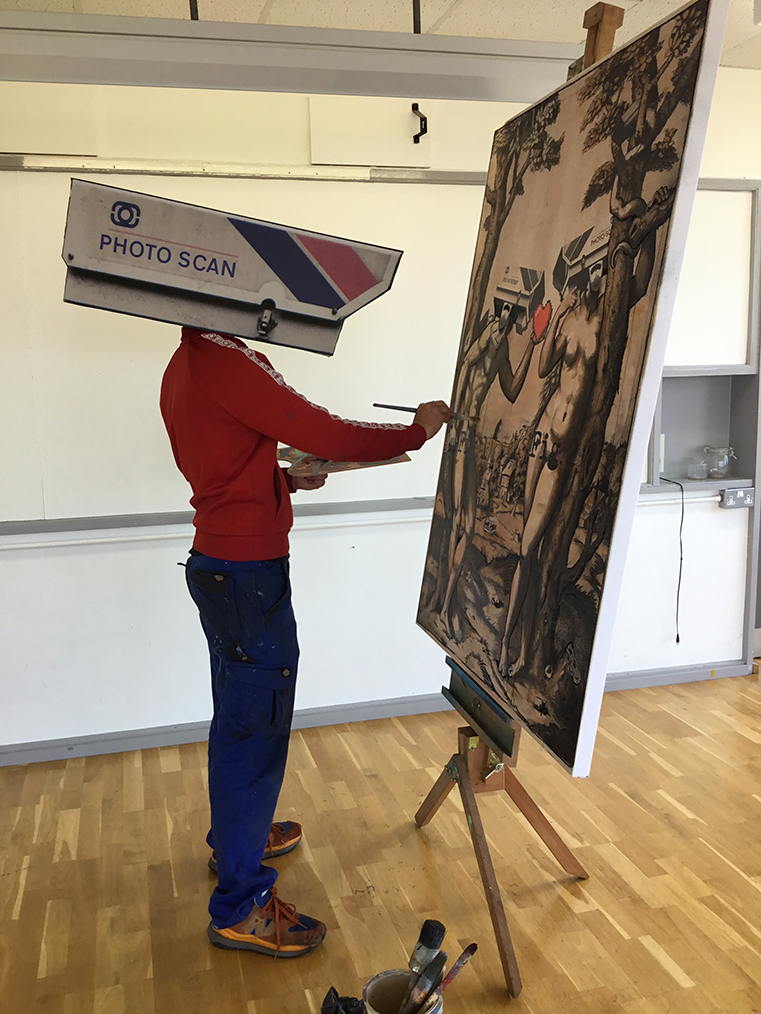
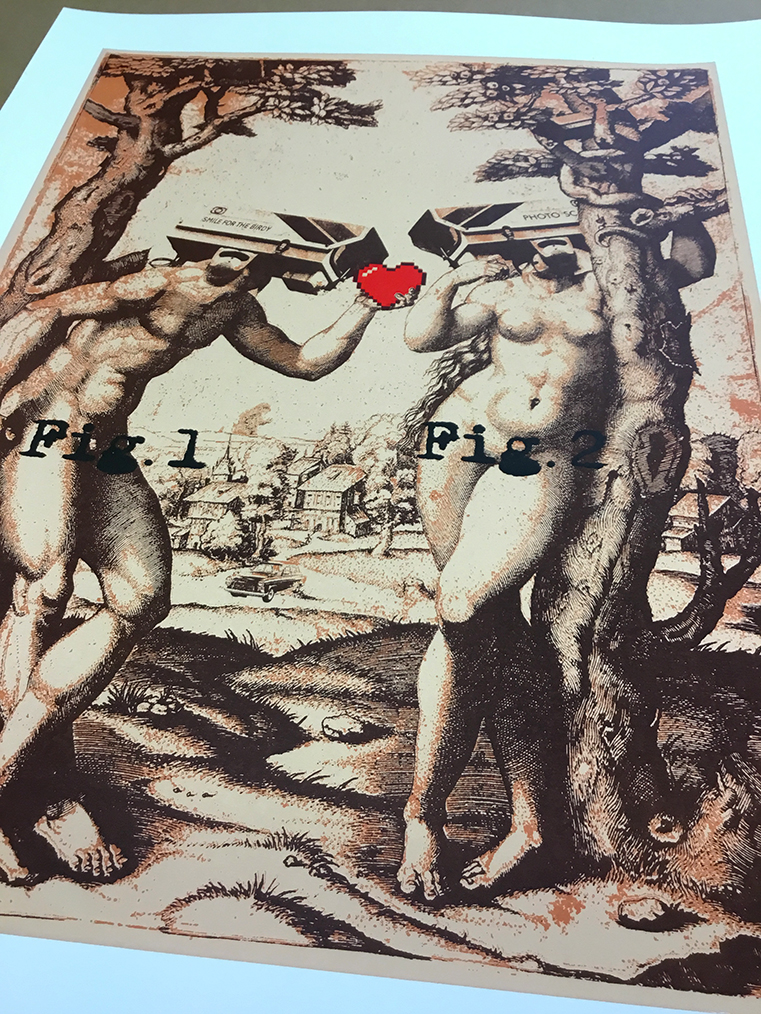
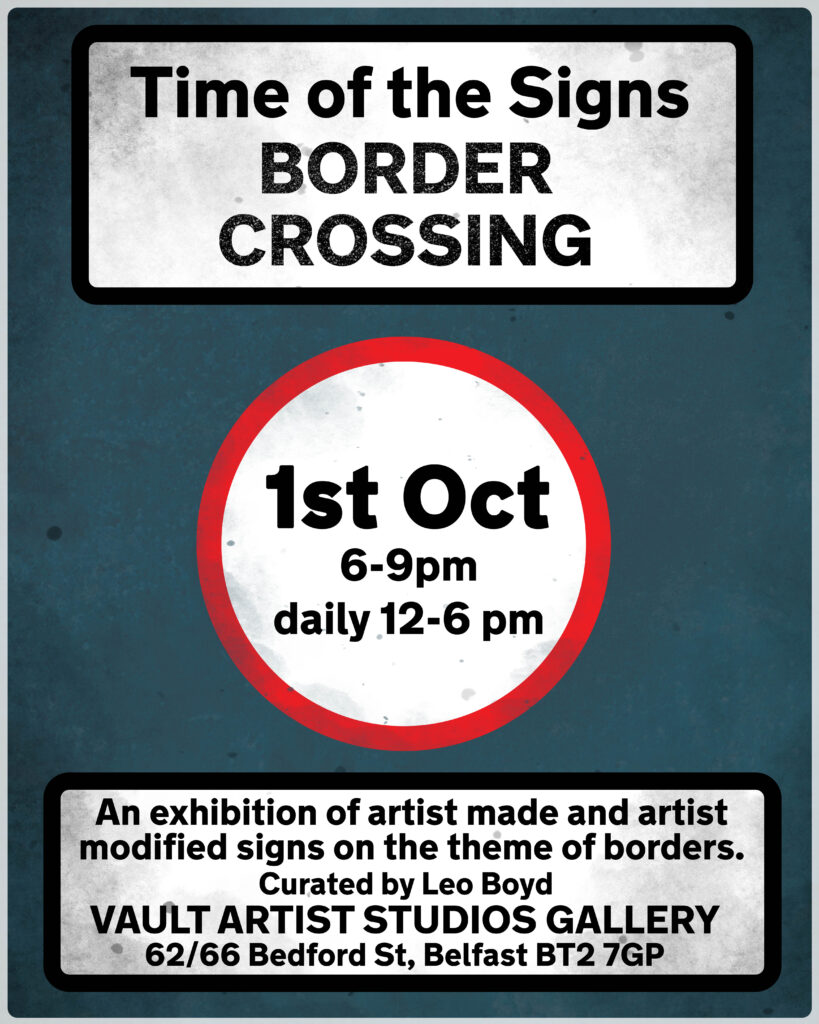
It is this hacking of reality (not to mention all those signs) that comes to mind when contemplating artist Leo Boyd’s latest curated show, ‘Time of the Signs. Border Crossing’—the second iteration of an exhibition he originally curated for London’s Atom Gallery in 2025—in which a selection of international artists were invited to submit ‘artist-made or artist-modified street signs’. The novel’s theme of isolationism is also relevant to the current show’s theme of borders, and it comes as no surprise to learn that Boyd is a huge M John Harrison fan (indeed, citing the author’s Light as one of the few books he has read twice).
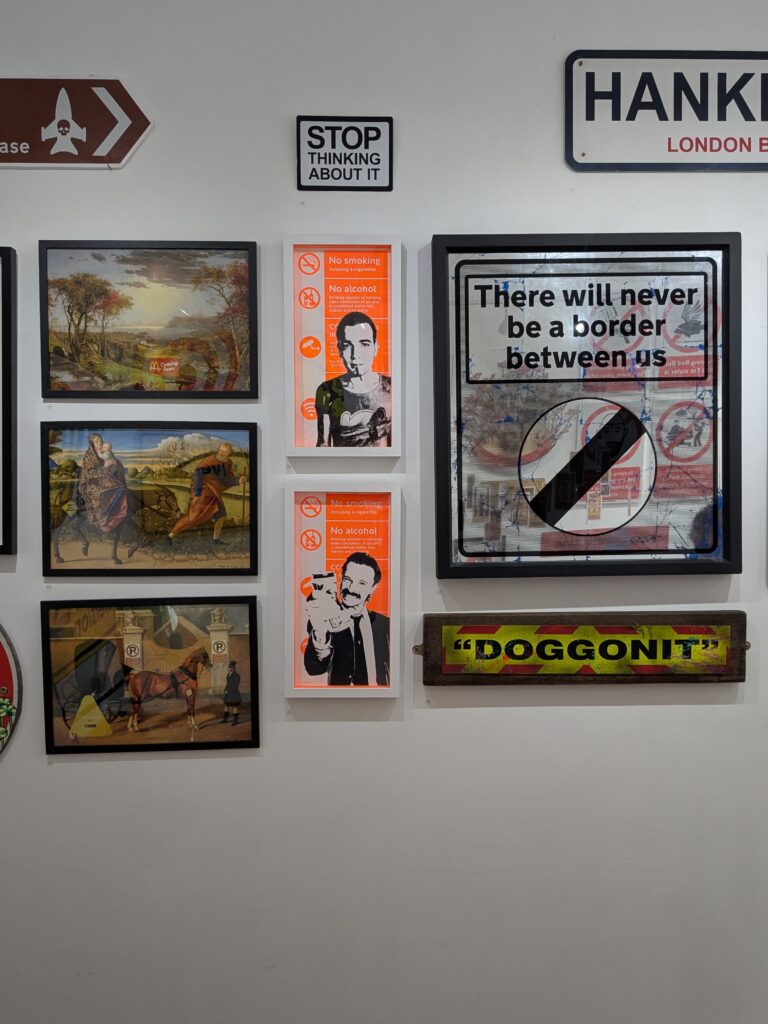
Leo describes how the original idea to have a show of street signs came about: ‘It was the title that came first! It just popped into my head; and then I thought I actually have to do this now otherwise somebody else will come up with the title and use it! I had wanted to do it anyway and then as soon as the title happened, that builds the motivation and then, before I knew it, I was in!’ In curating the Atom Gallery show, Boyd brought together international artists who made signs he admired e.g., Clet Abraham and Foka Wolf, with others he felt had the potential to make a good sign. The approach to the Belfast show is the same, yet here he introduces a theme—the border: ‘I cross the Irish border quite a lot and I noticed that every single time I passed that [‘Welcome to Northern Ireland’] sign, it had been hammered or had paint splats on it, and it occurred to me, ‘that’s an art piece!’. It’s a really powerful piece of public art, because people are interacting with it […] hacking it in their own way. It had become something that gave off a completely different message to what the original makers had intended’ (for those not overly familiar with the day-to-day politics of nomenclature in this part of the world, let it suffice to say that for certain communities both north and south of the border, ‘the North of Ireland’, ‘the north’ or simply ‘here’, is a preferable term for the ‘six counties’). Rumoured and unconfirmed plans to possibly acquire the sign in question were aborted after the damaged piece of roadway infrastructure was replaced abruptly with a fresh version. ‘They probably dumped it somewhere or scrapped it… but that thing actually belongs in a museum, being shown to people, because it is valuable’. The Derry Girls blackboard comes to mind.
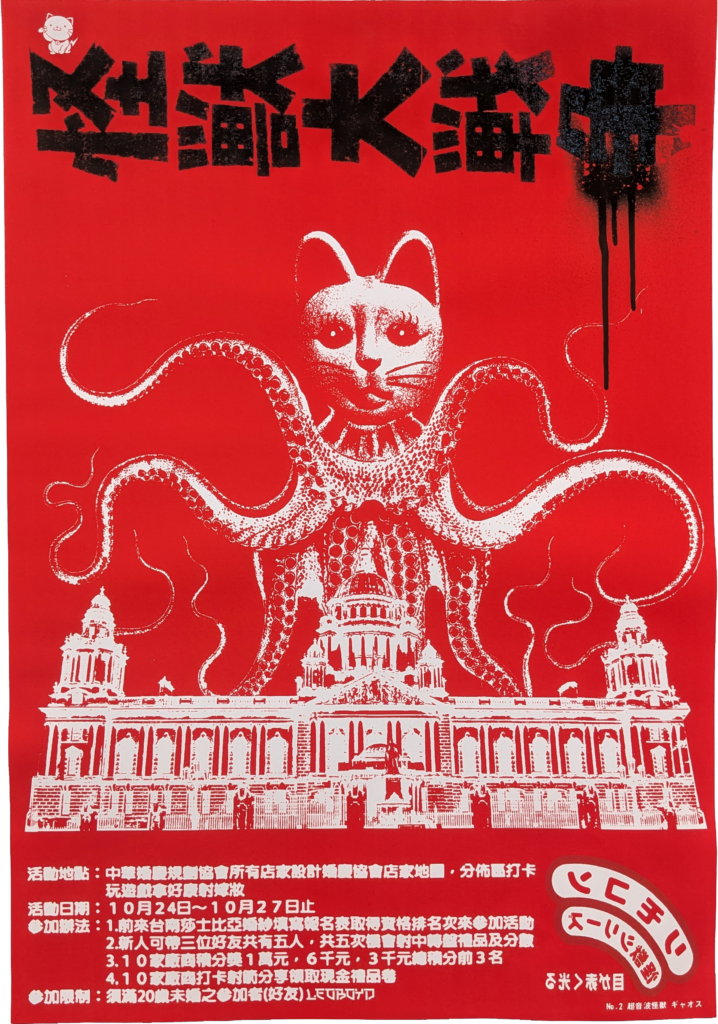
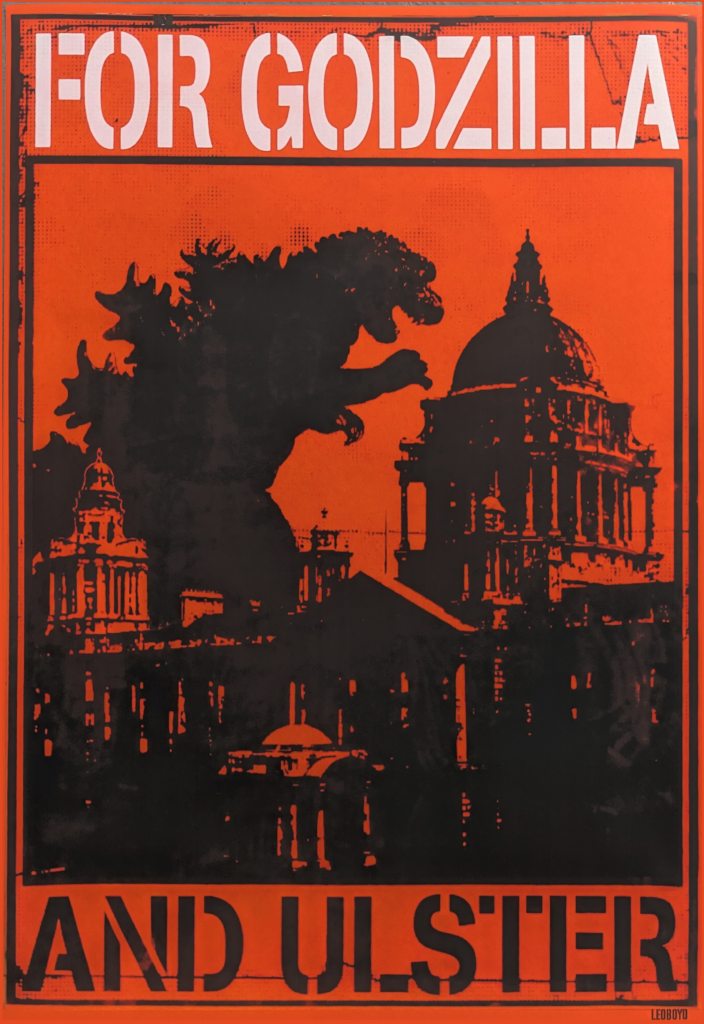
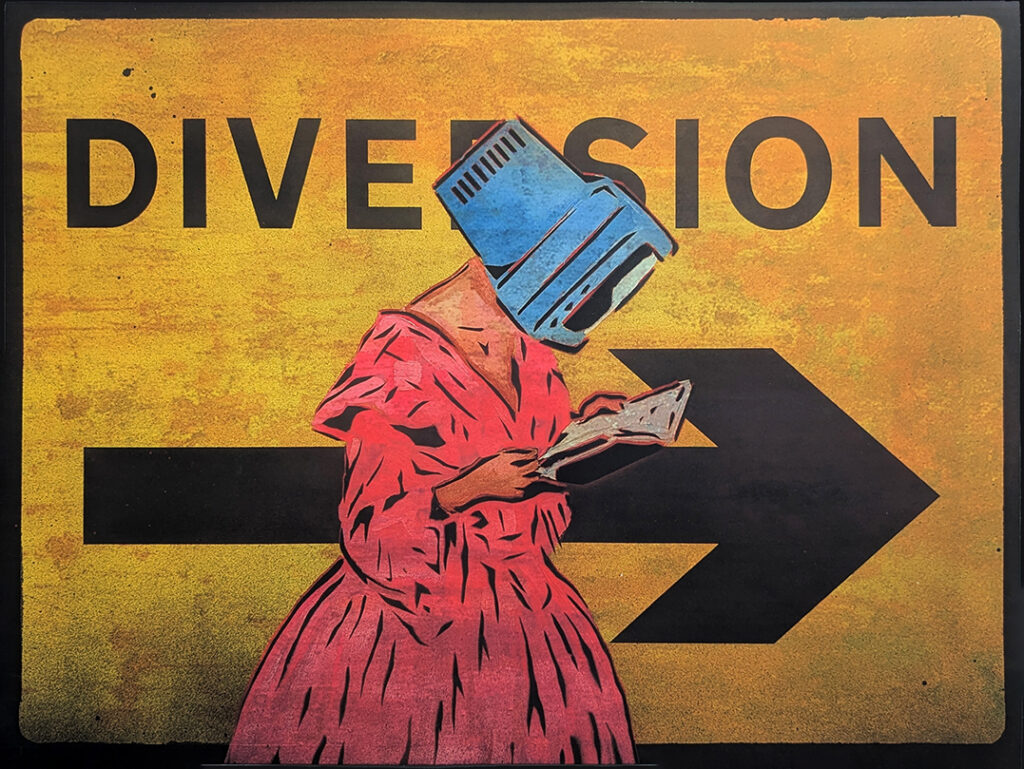
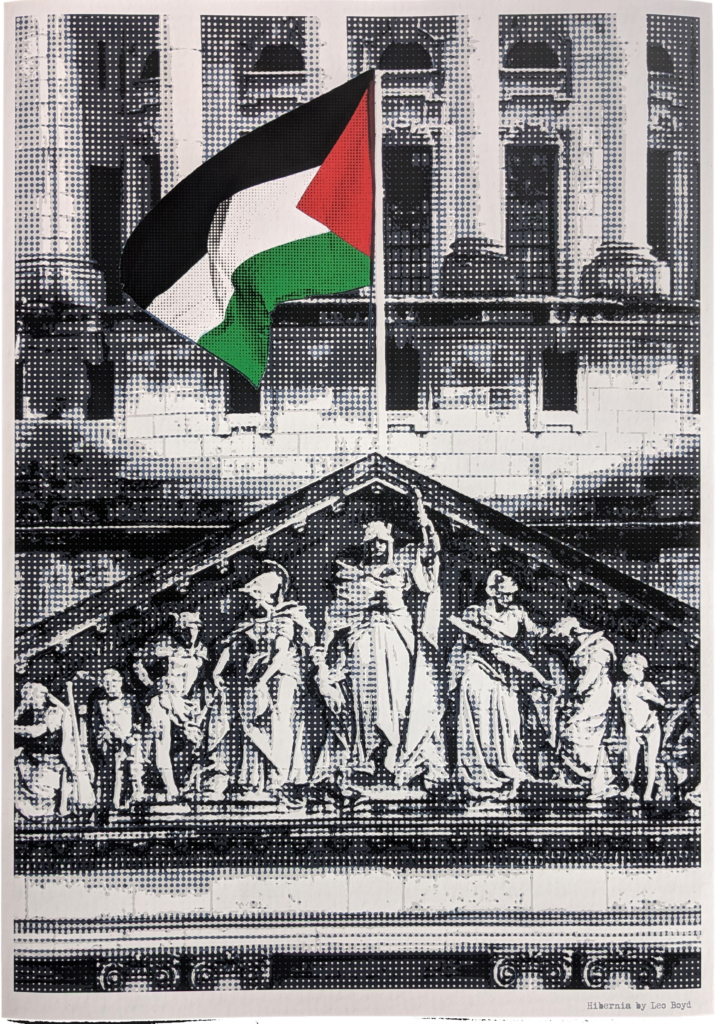
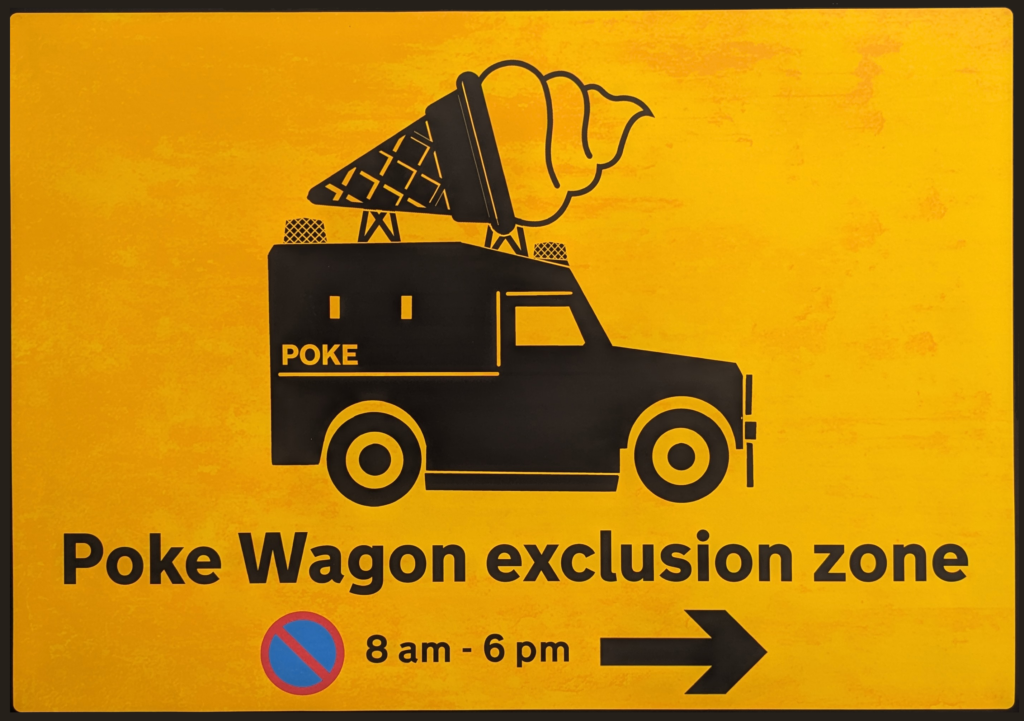
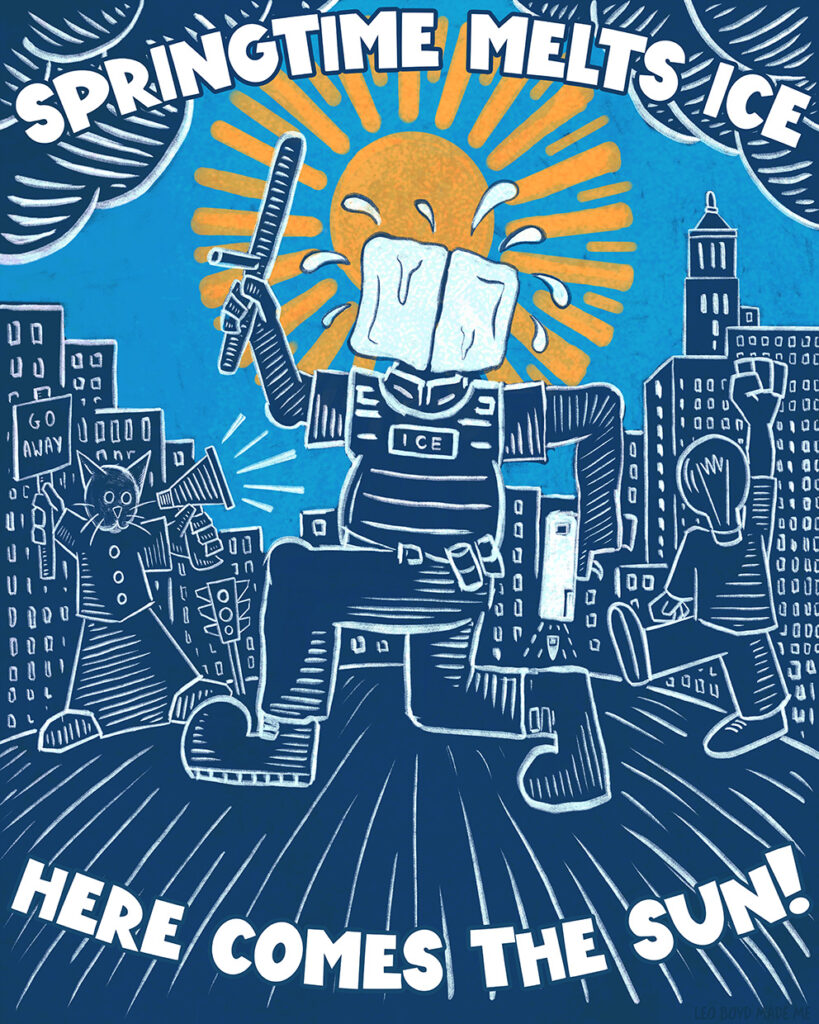
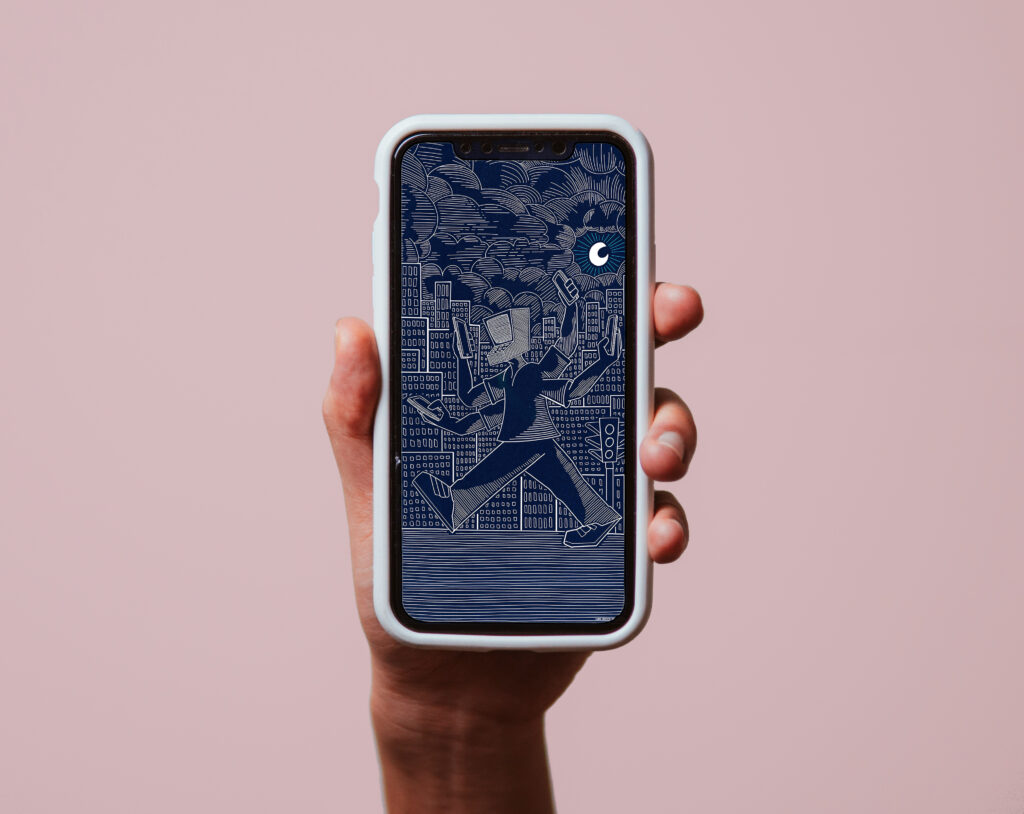
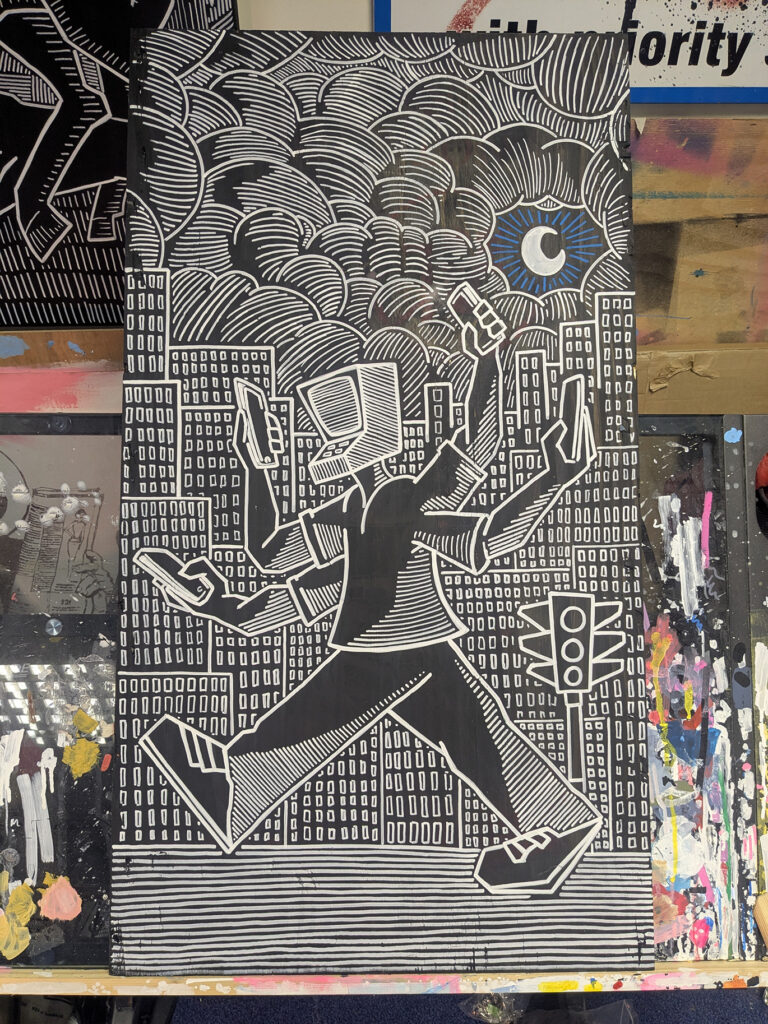
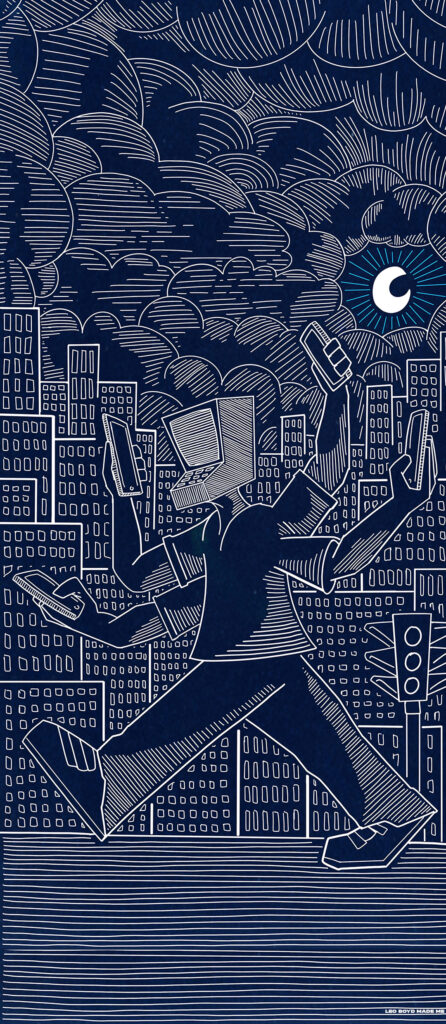
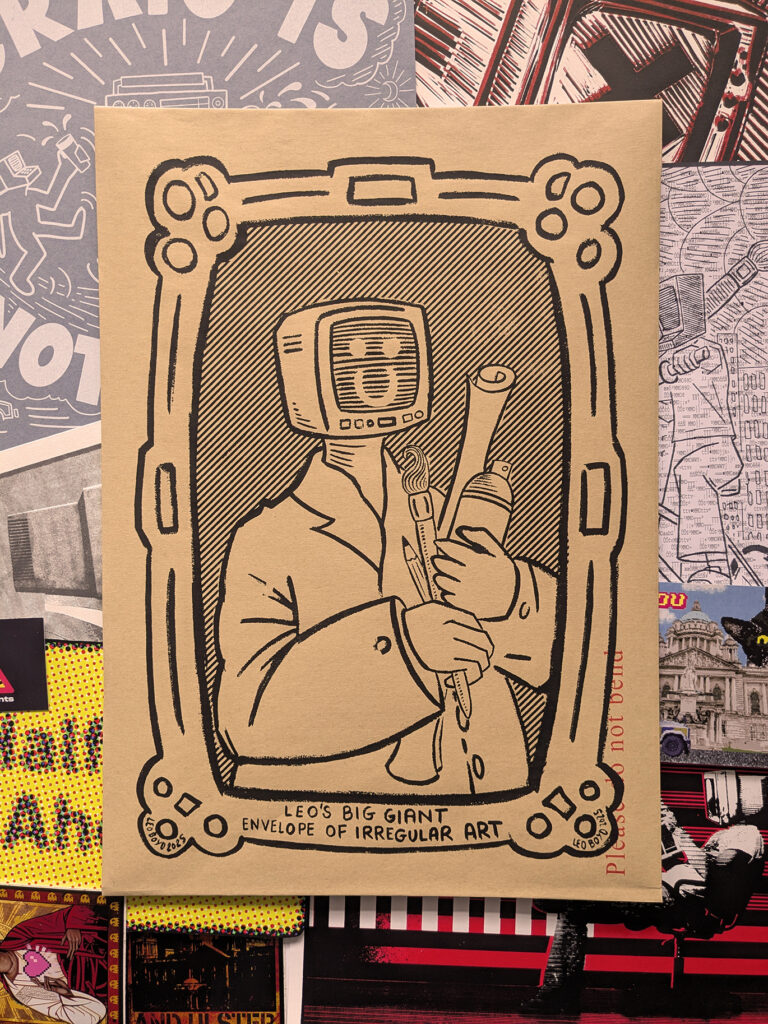
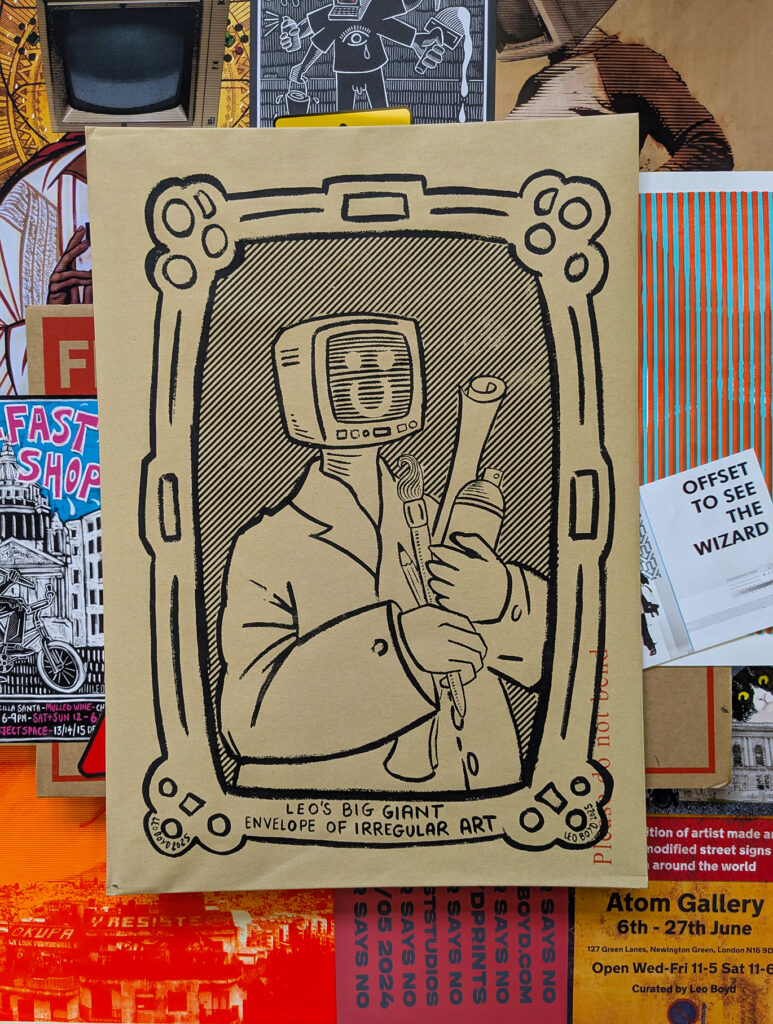
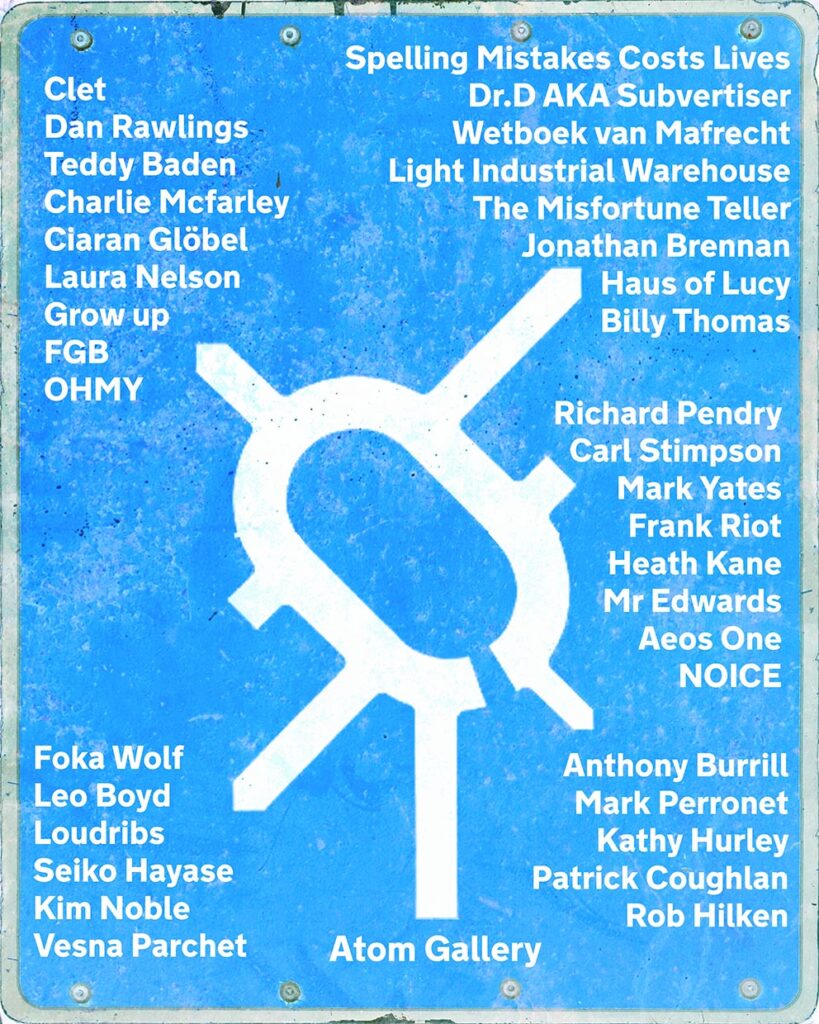
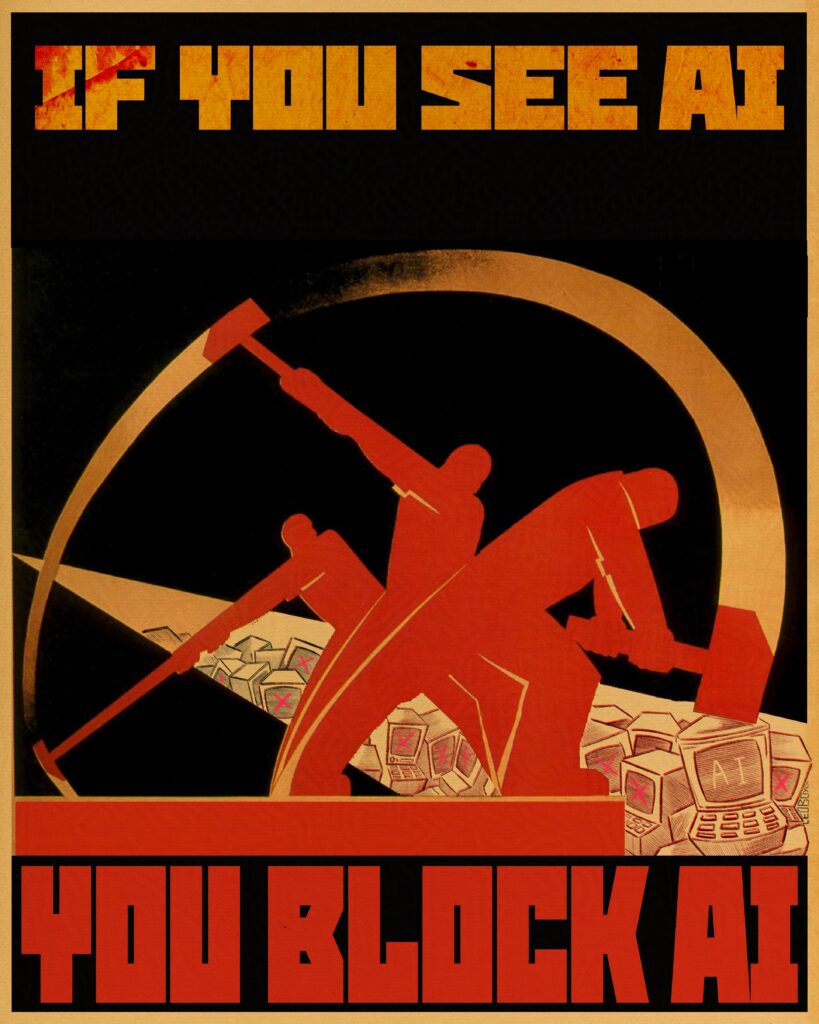
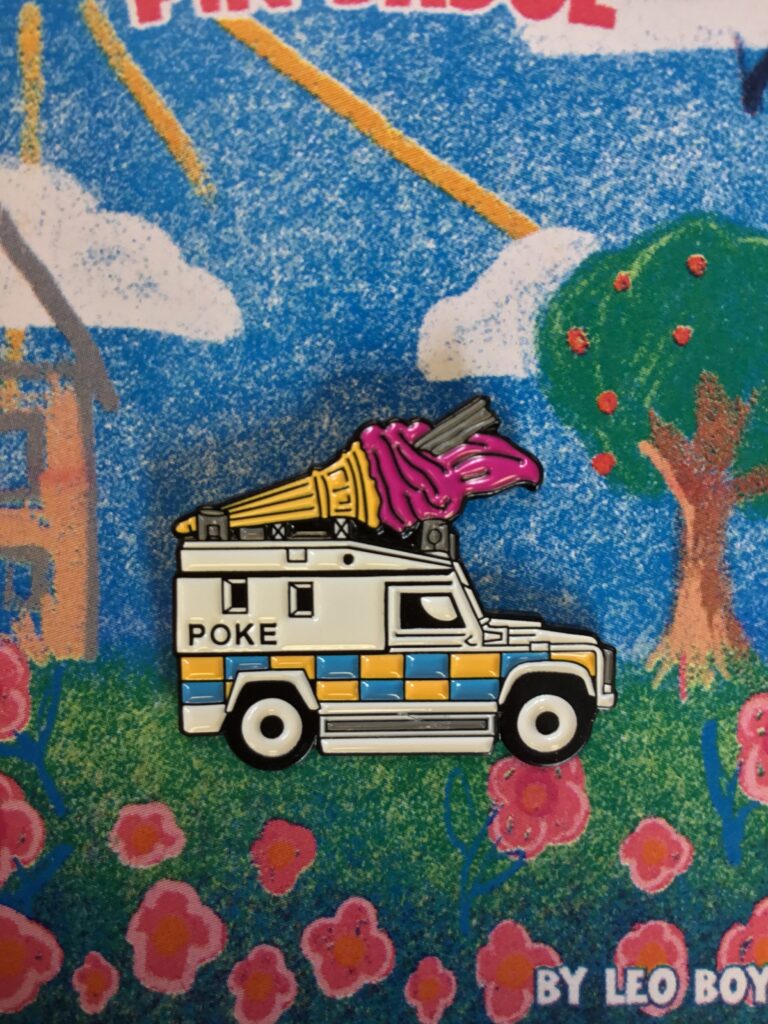
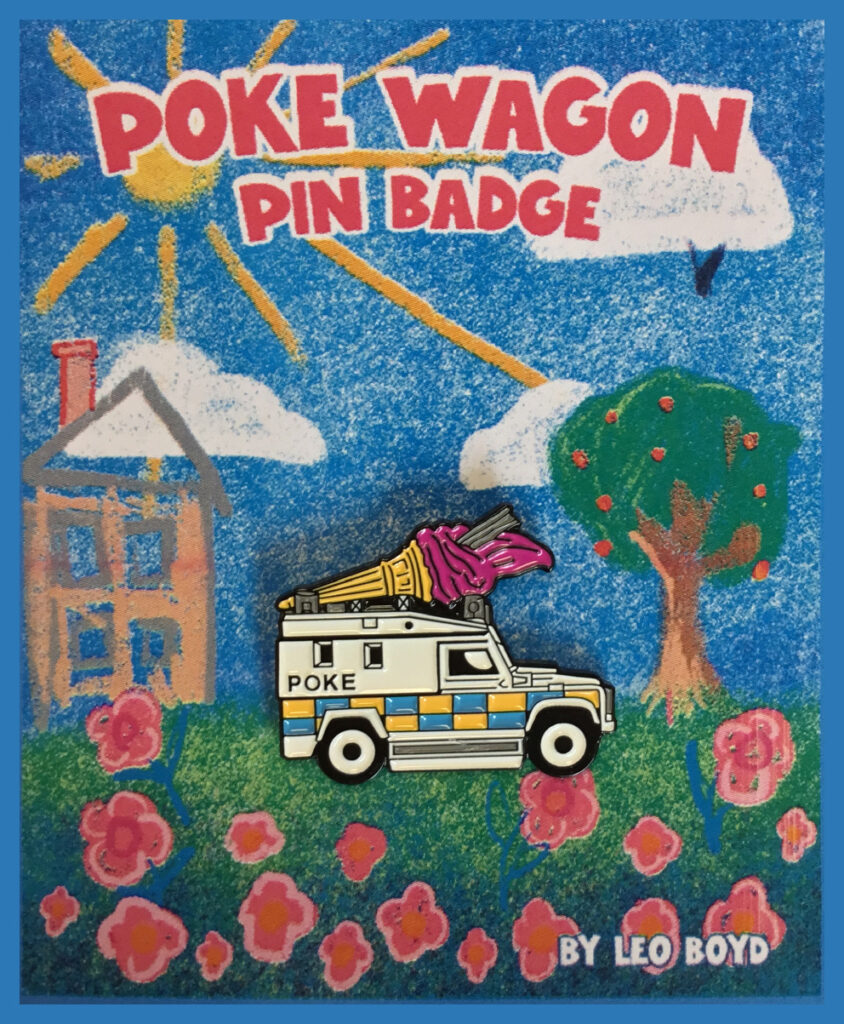
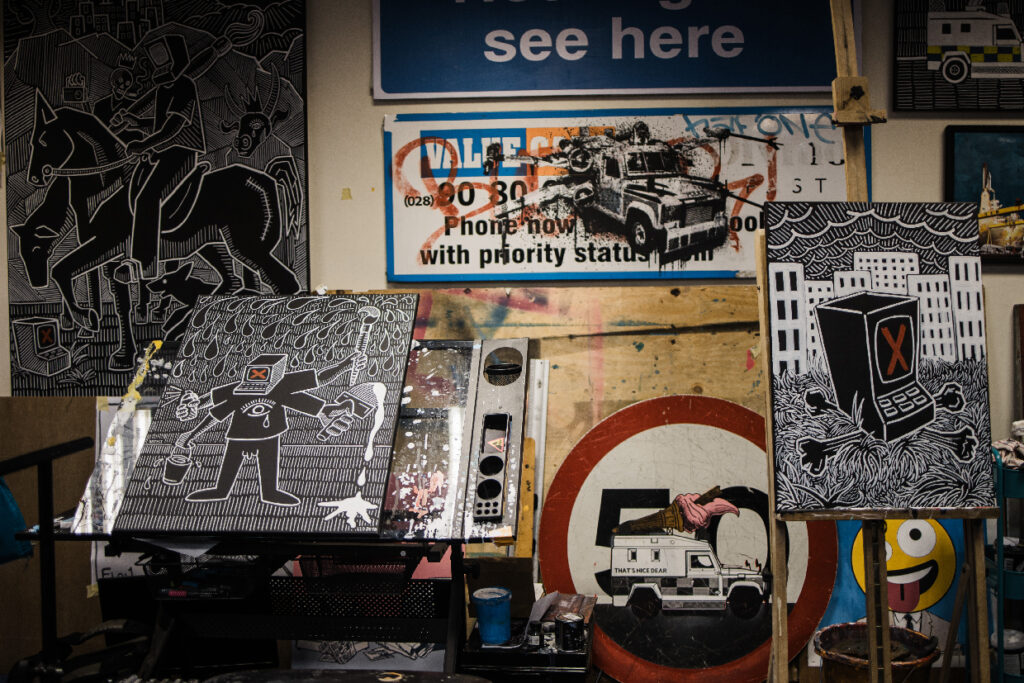
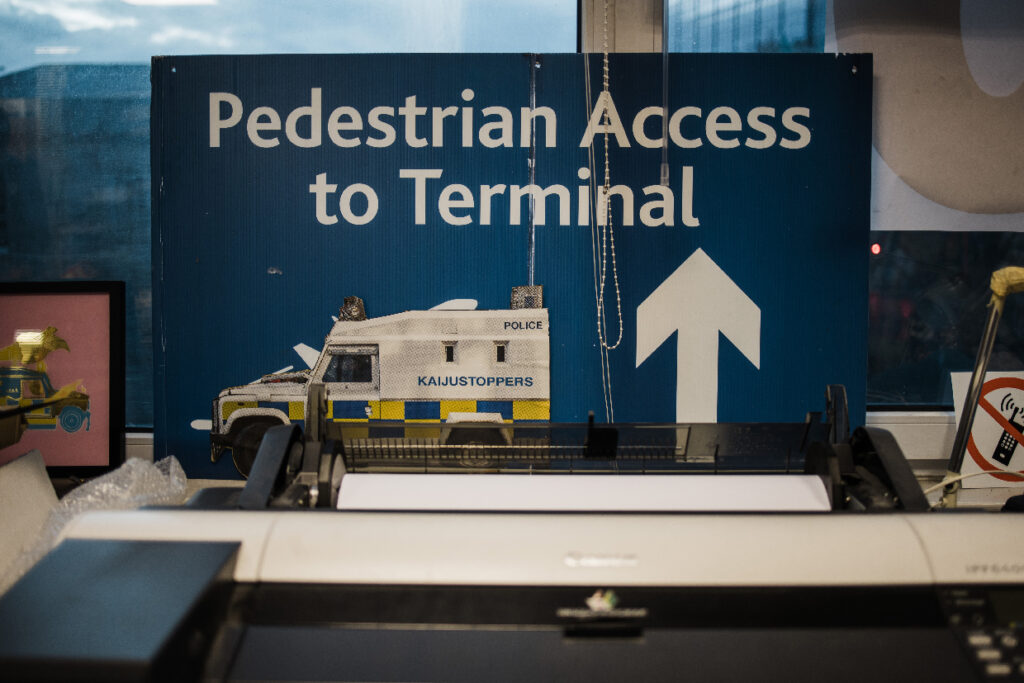
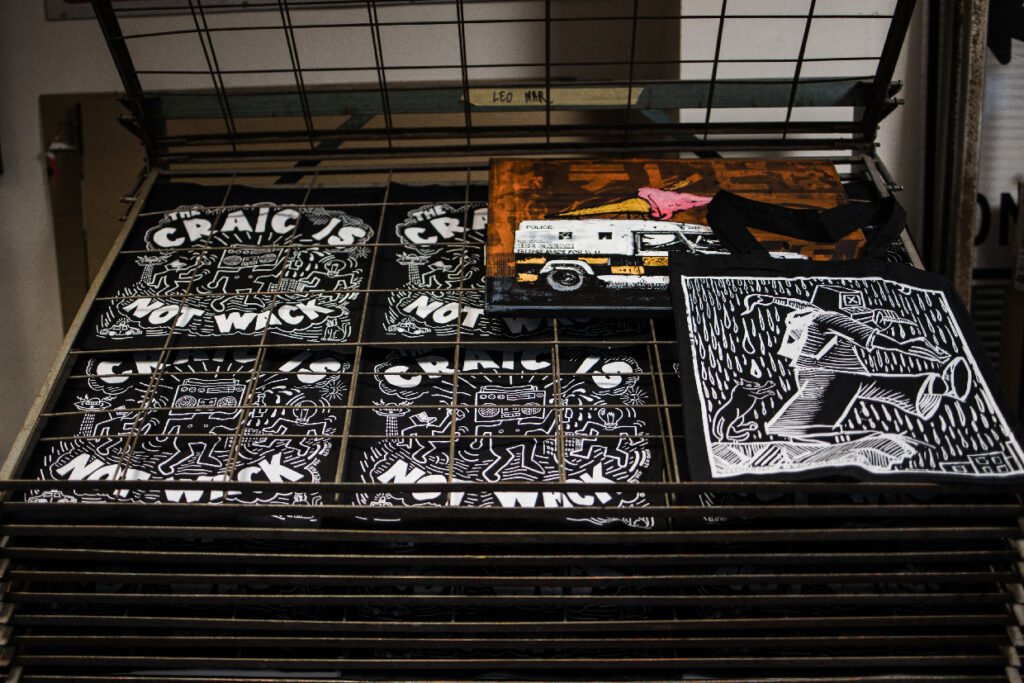
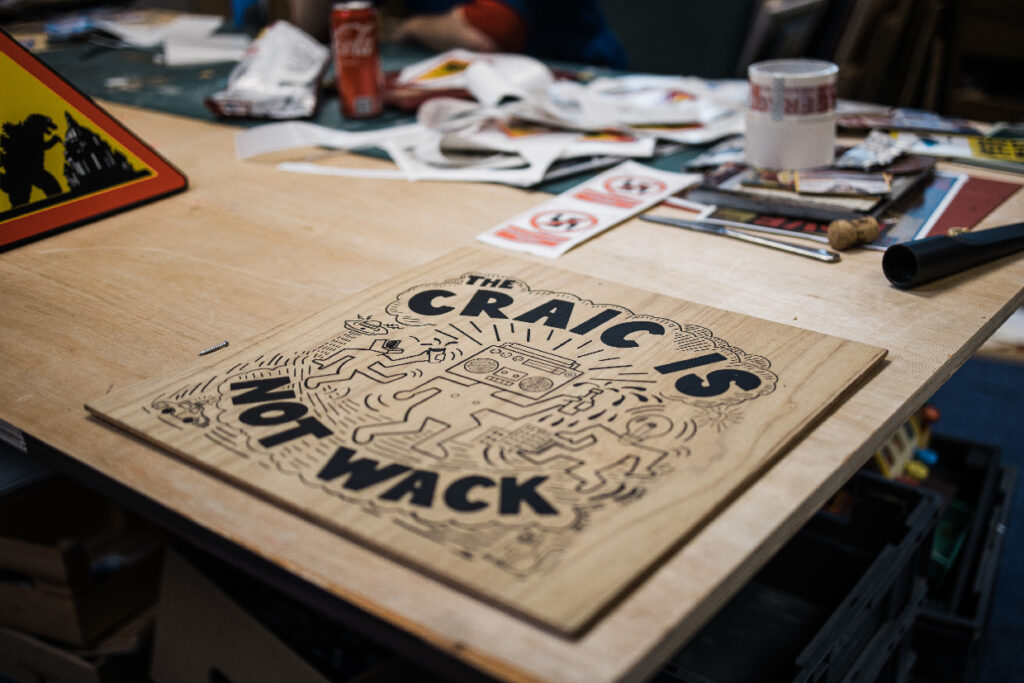
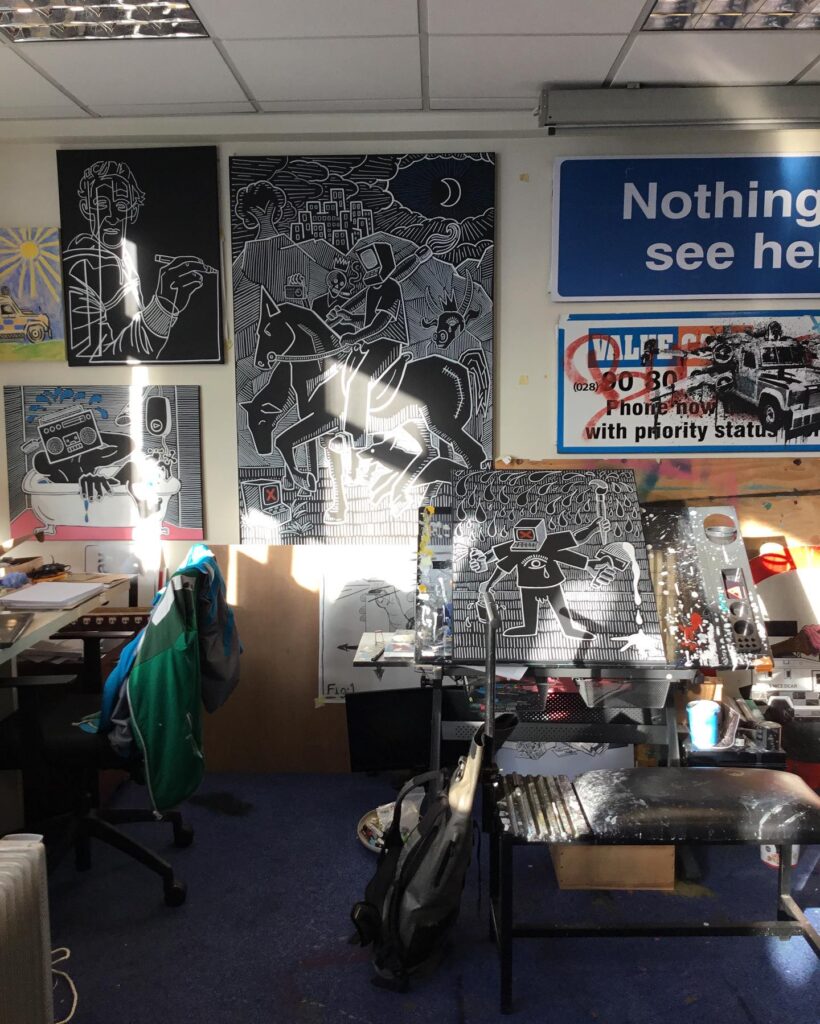
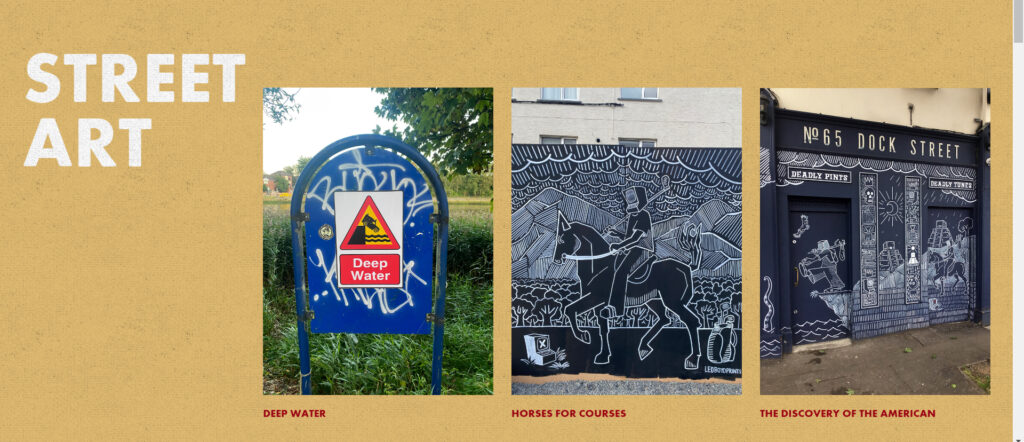
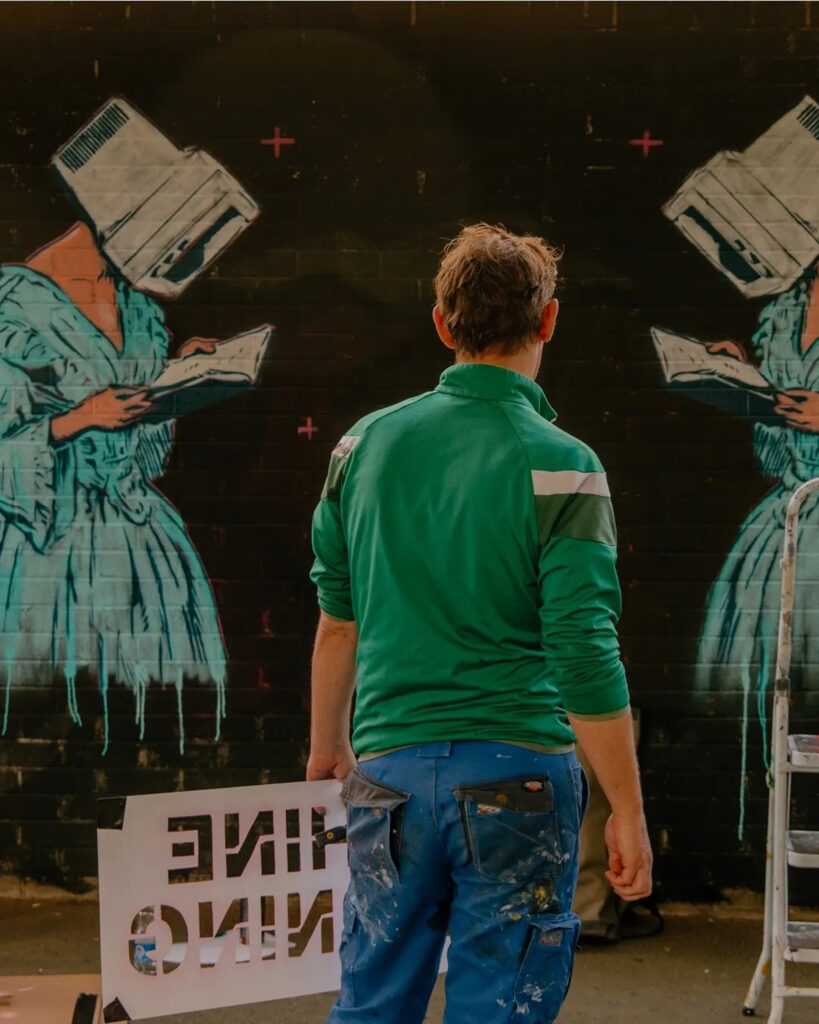
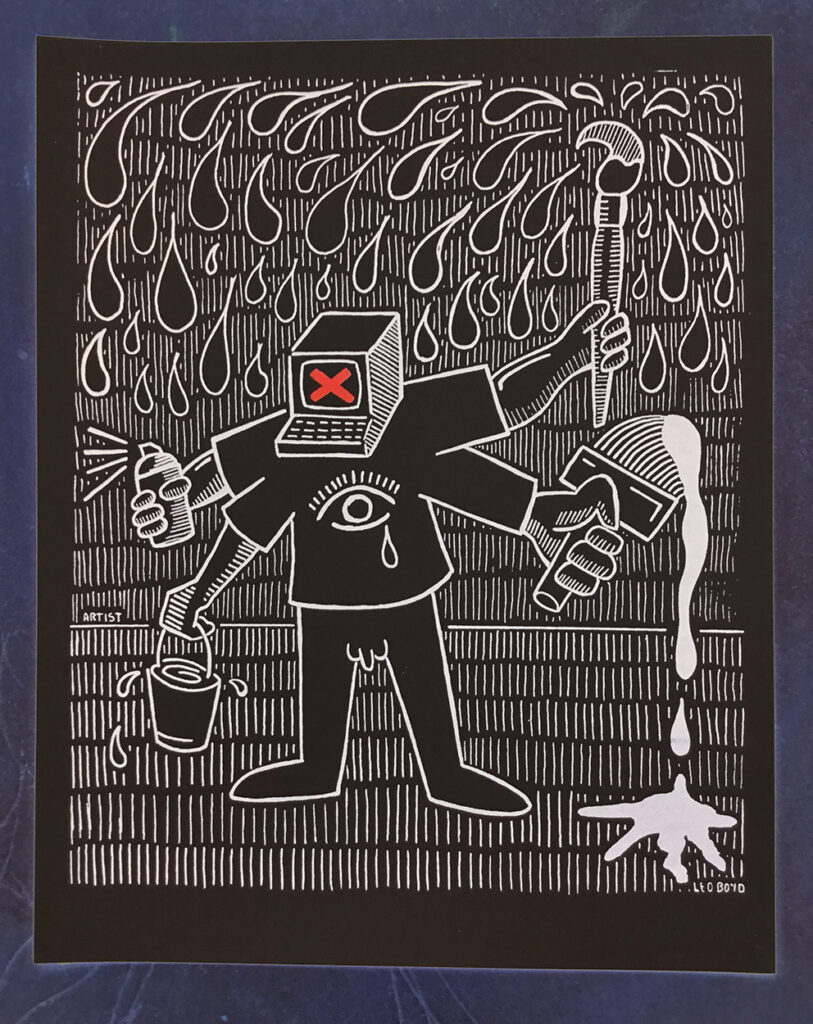
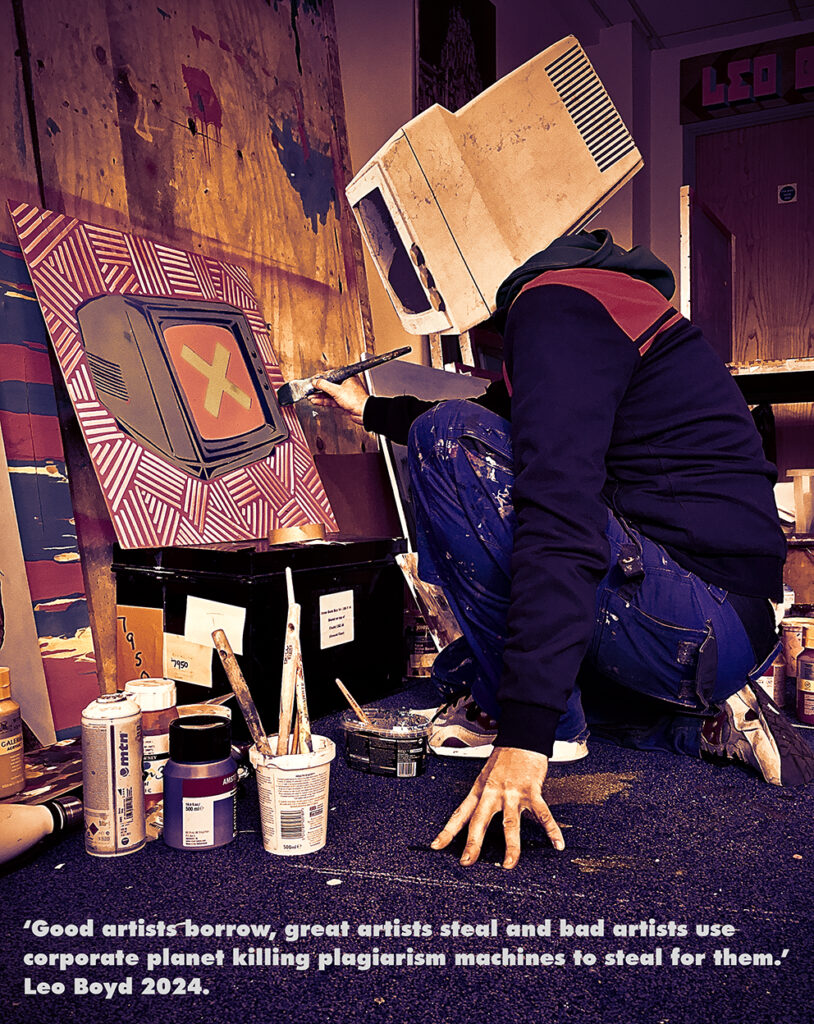
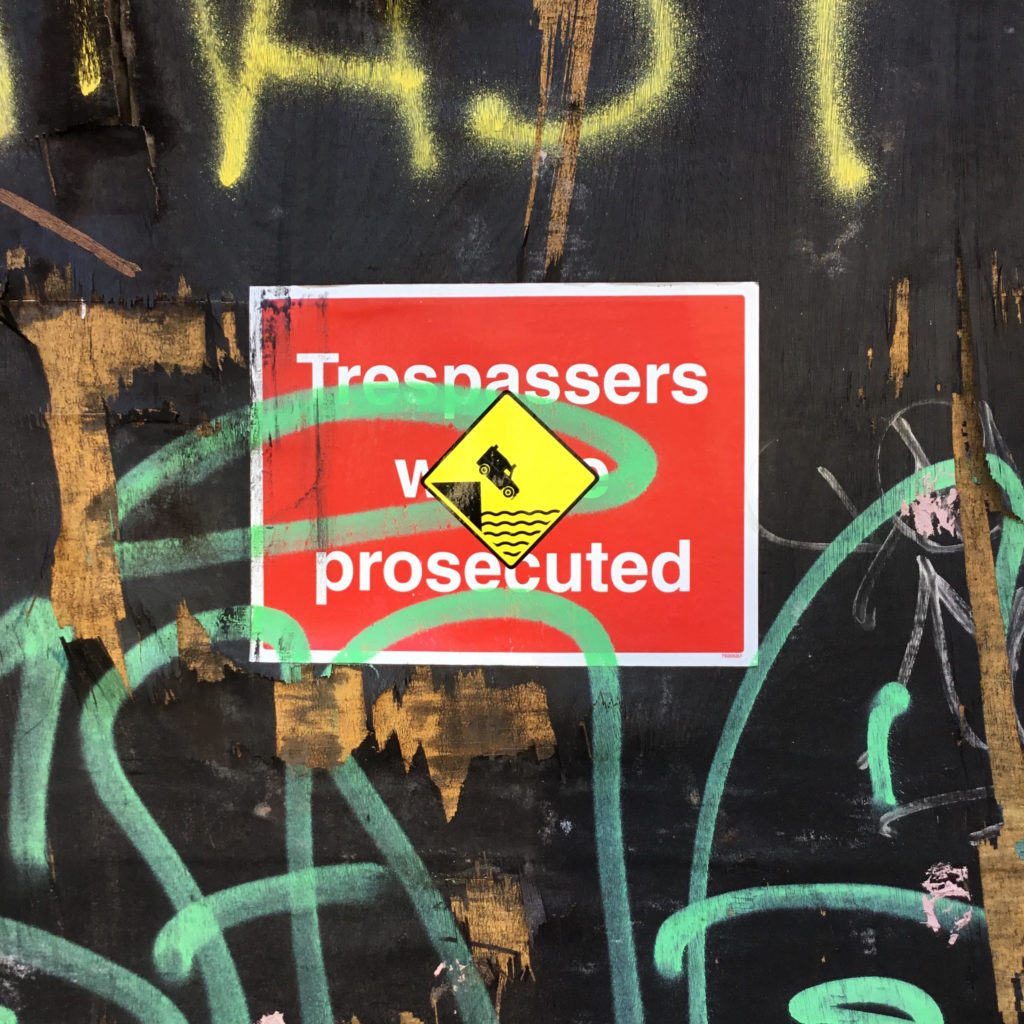
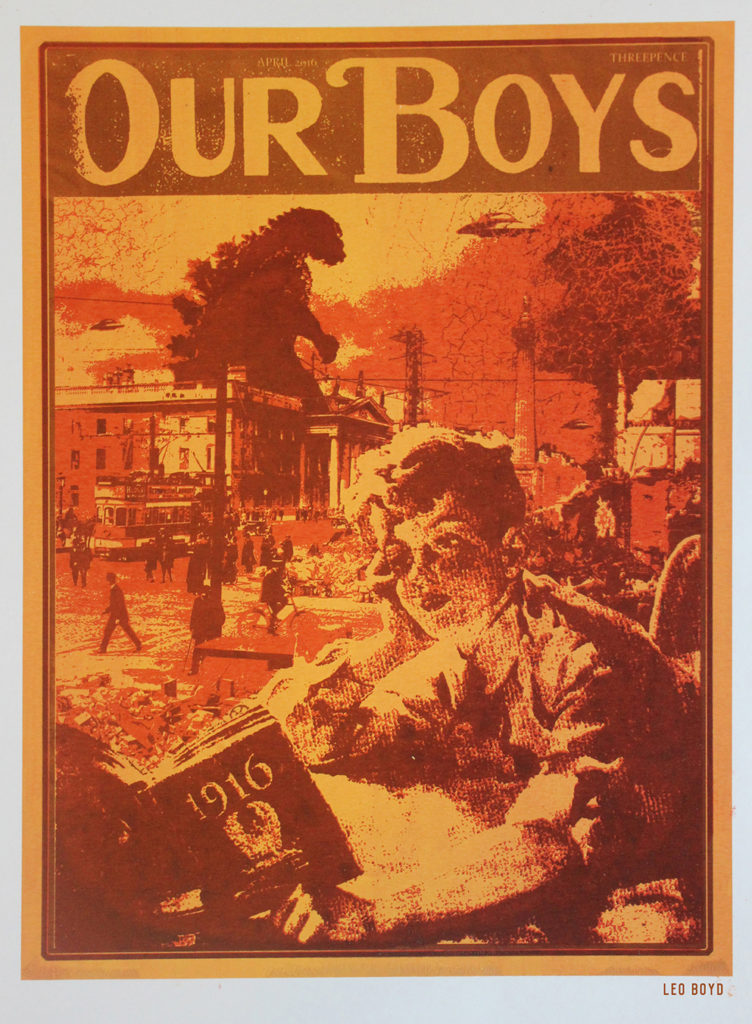
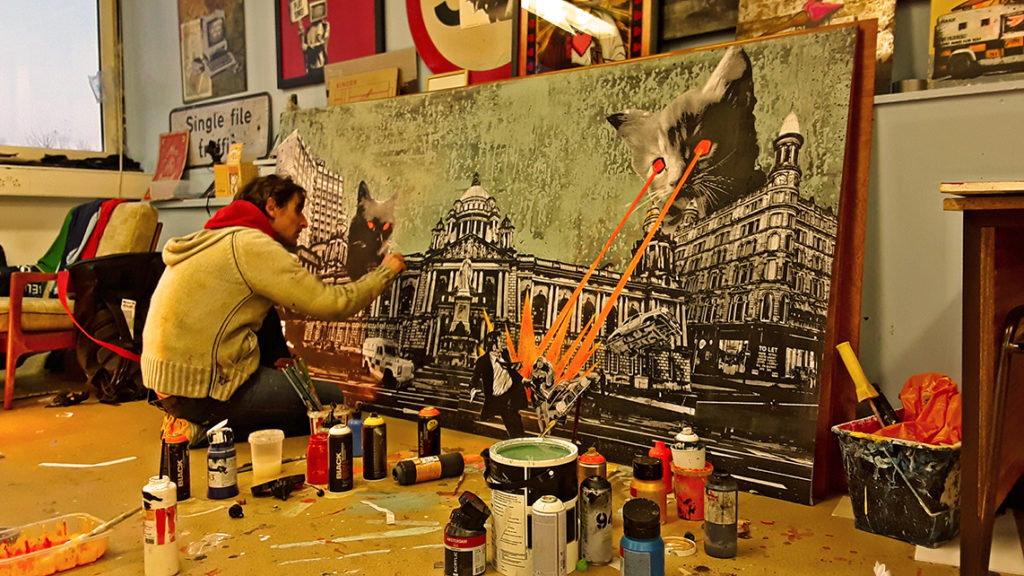
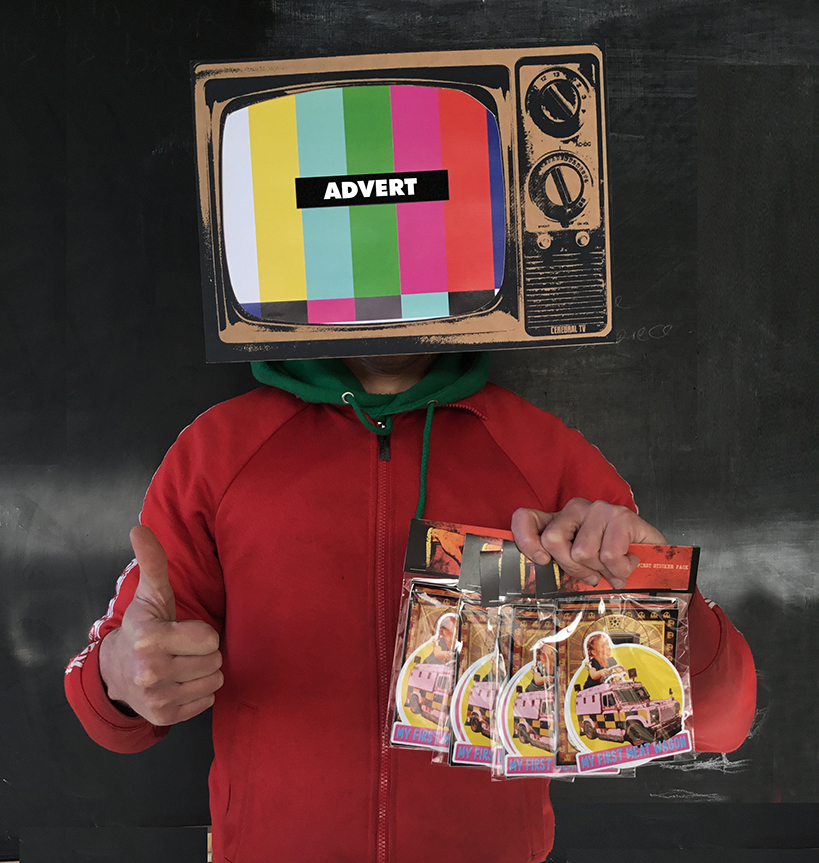
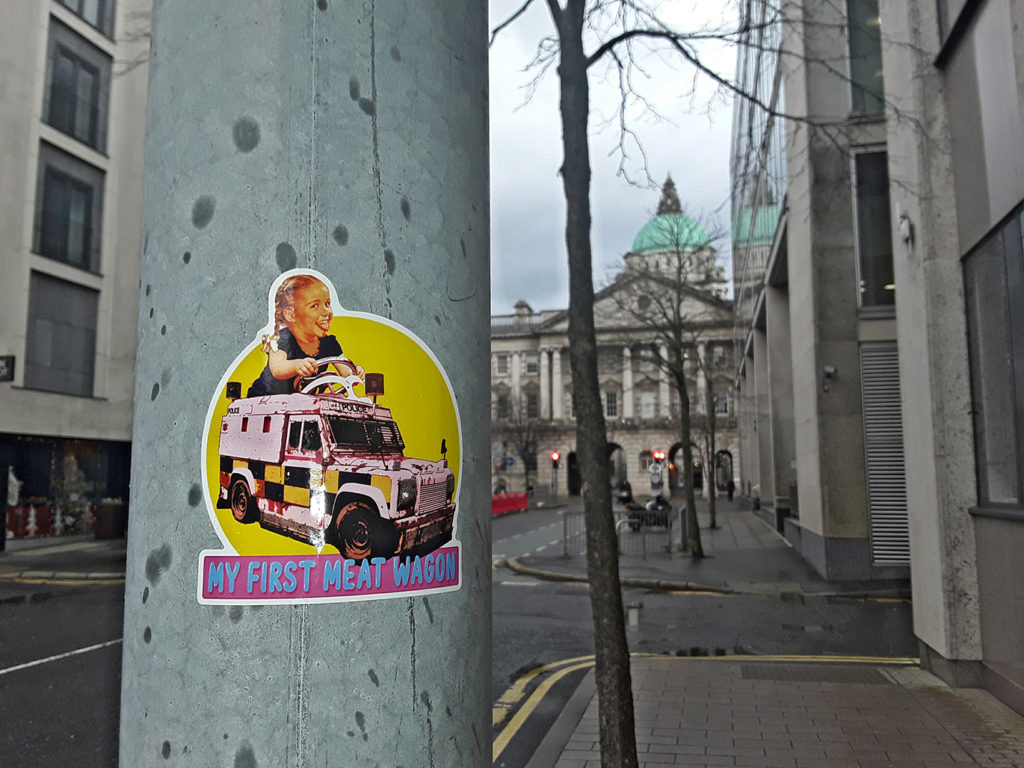
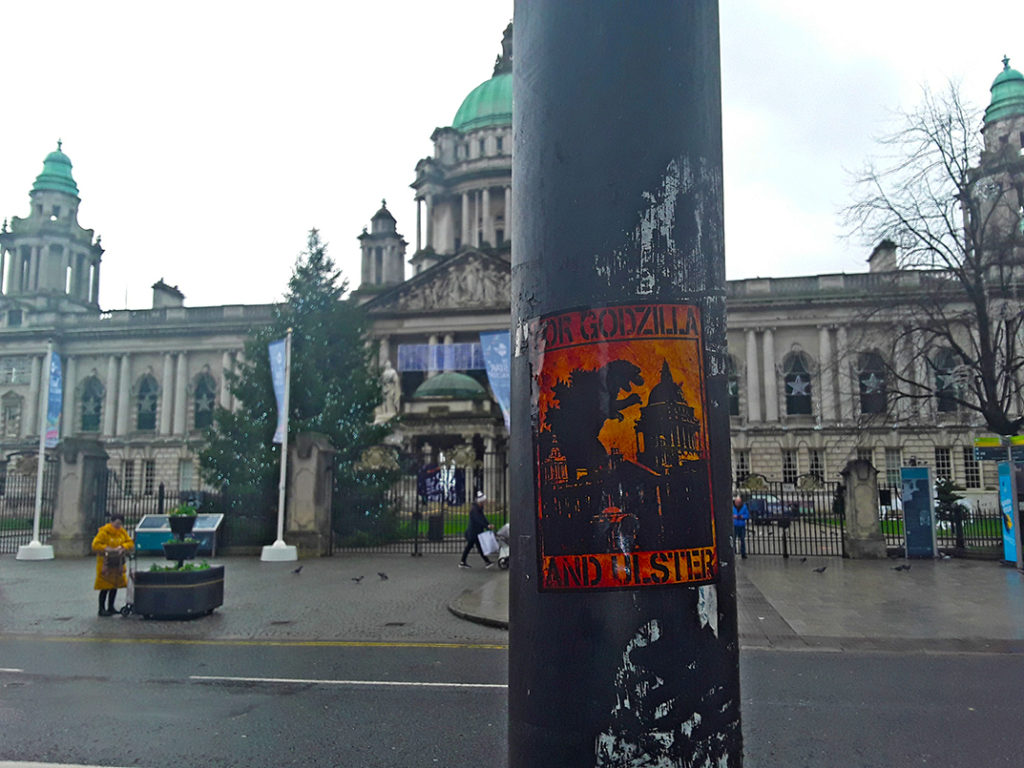
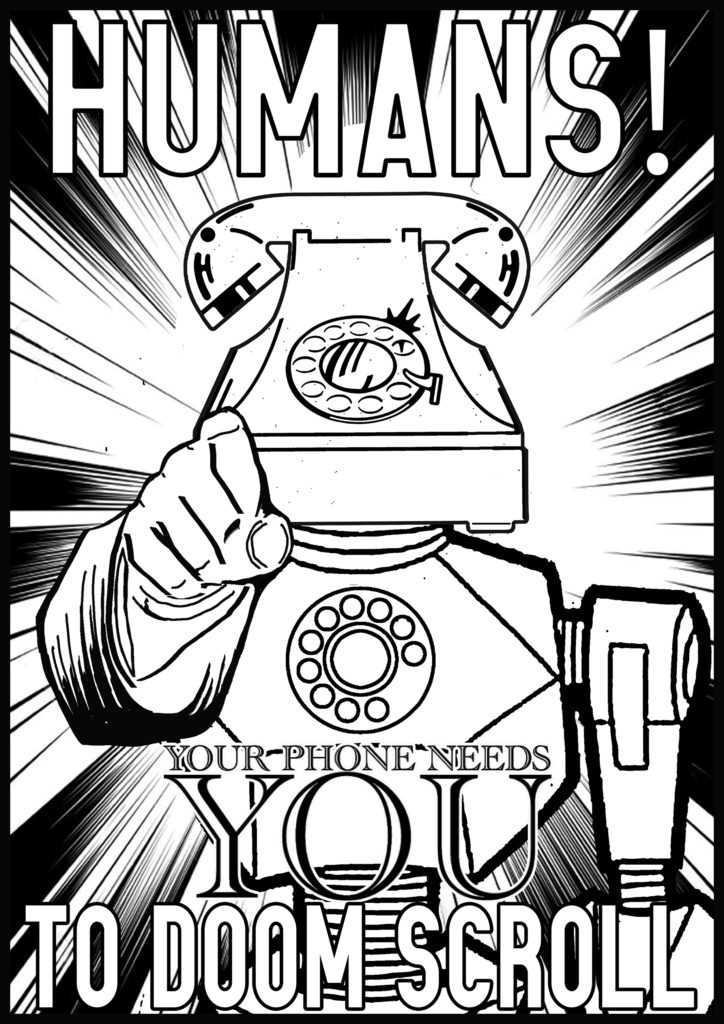
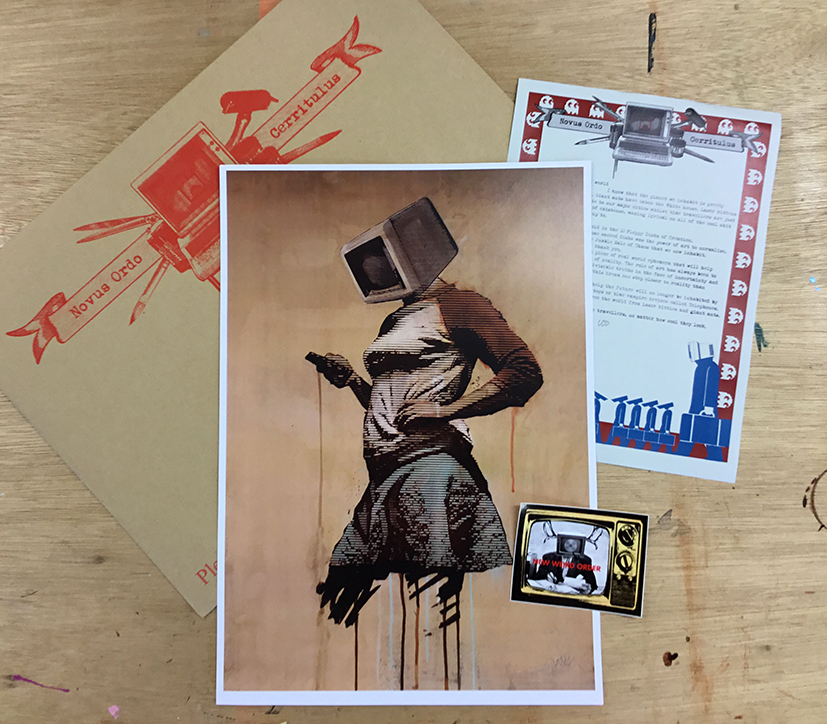
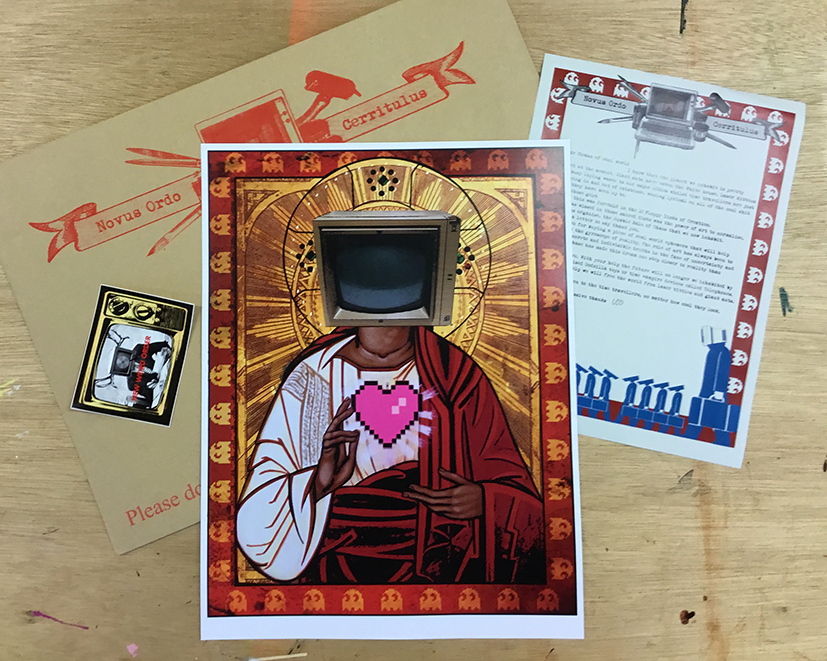
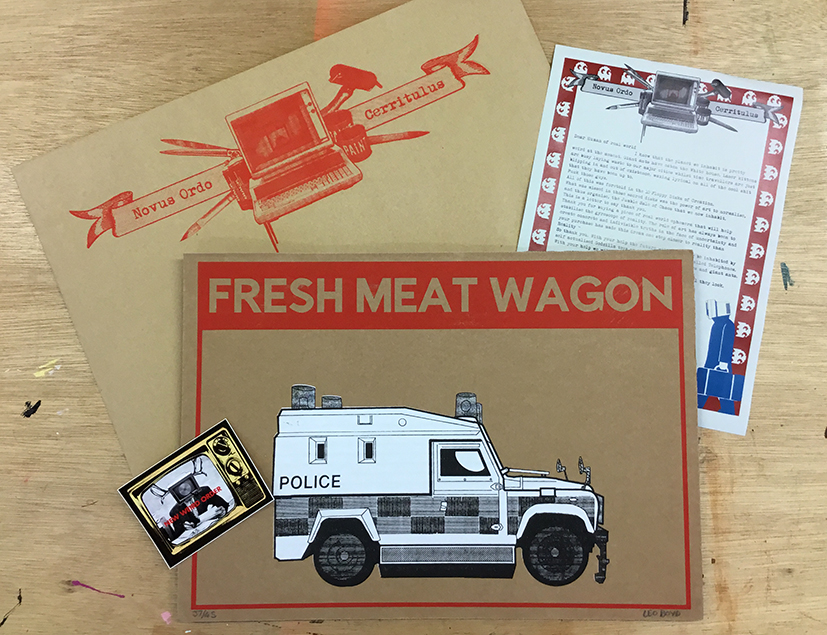
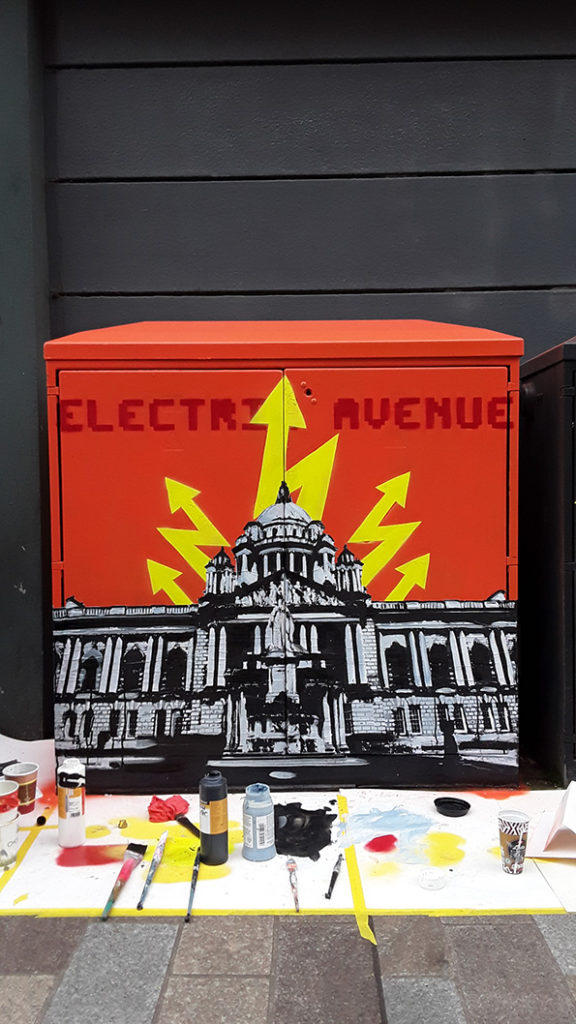
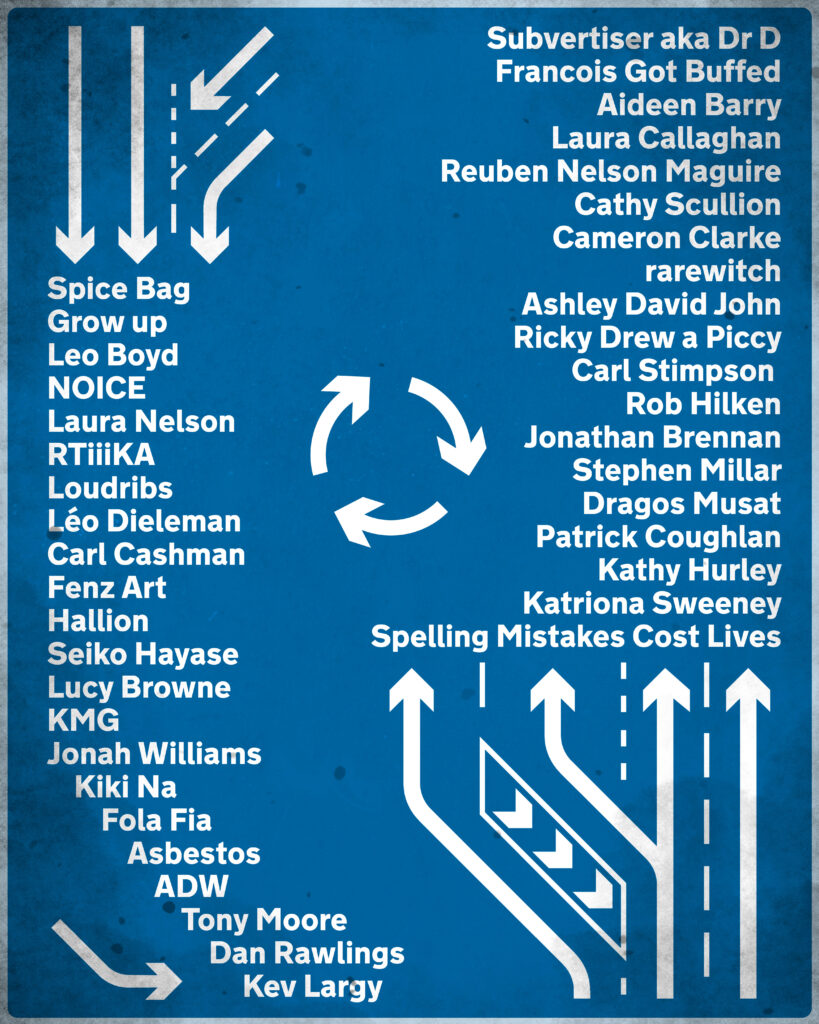
Like many of the 42 artists included in the current show, making and modifying street signs is something Leo Boyd has been doing for decades. Indeed, his street sign ‘hacktivism’ seemed only to intensify when his studio moved to a more central location in Belfast. Visitors to, and inhabitants of, the city will find themselves doing double-takes at many of Boyd’s signs around town to do with issues around Lough Neagh, Palestine, or simply poking fun at social media culture (as a side-note, I should clarify that I assume these are the work of the artist; Leo himself cannot confirm or deny my assumption). If indeed these were examples of Boyd’s work, it would make him the lead practitioner of sign hacking in Belfast. ‘It would indeed’, Leo agrees.
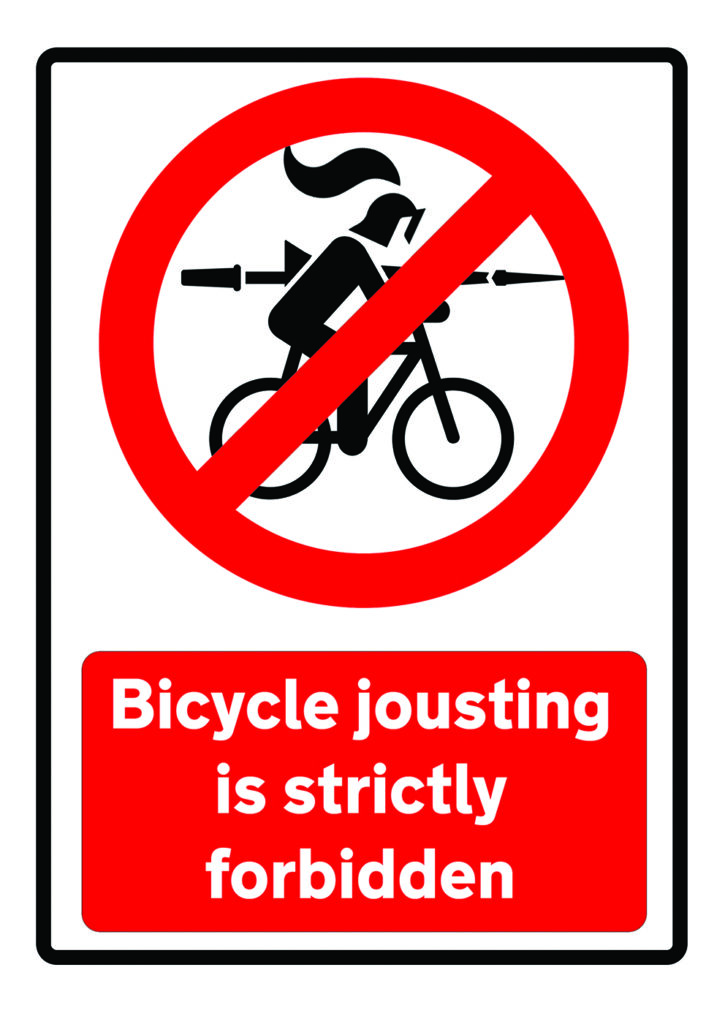
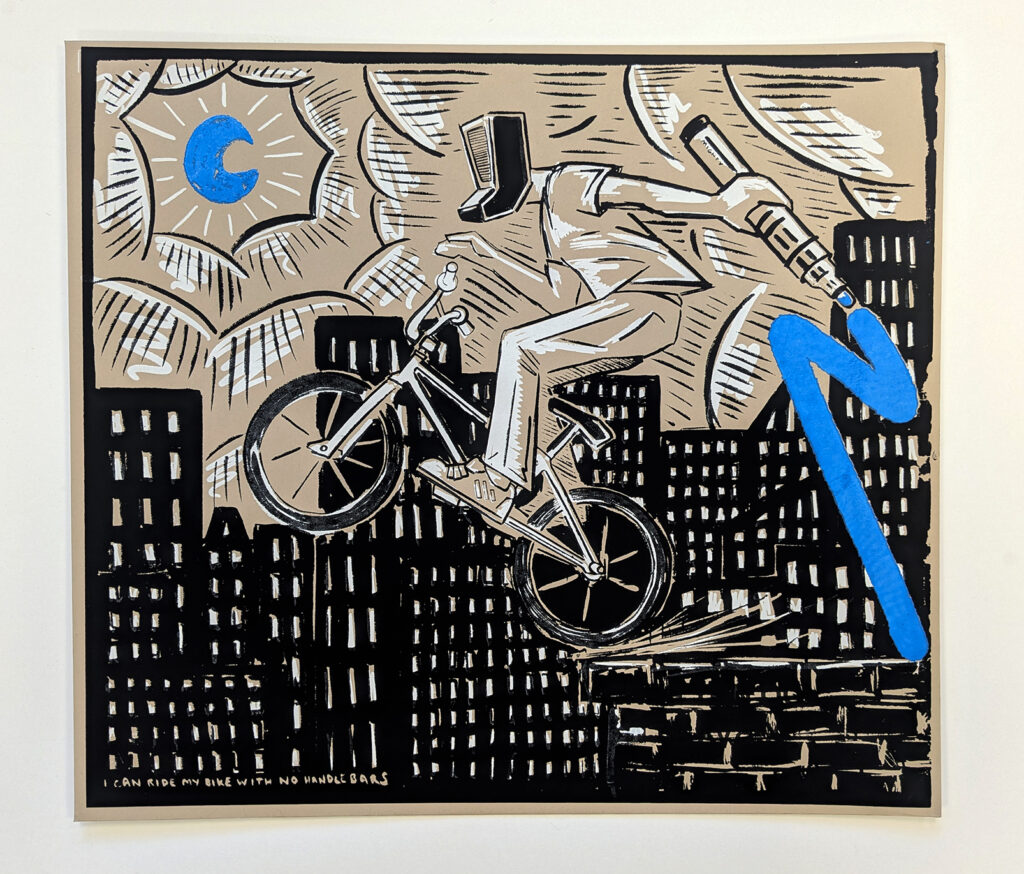
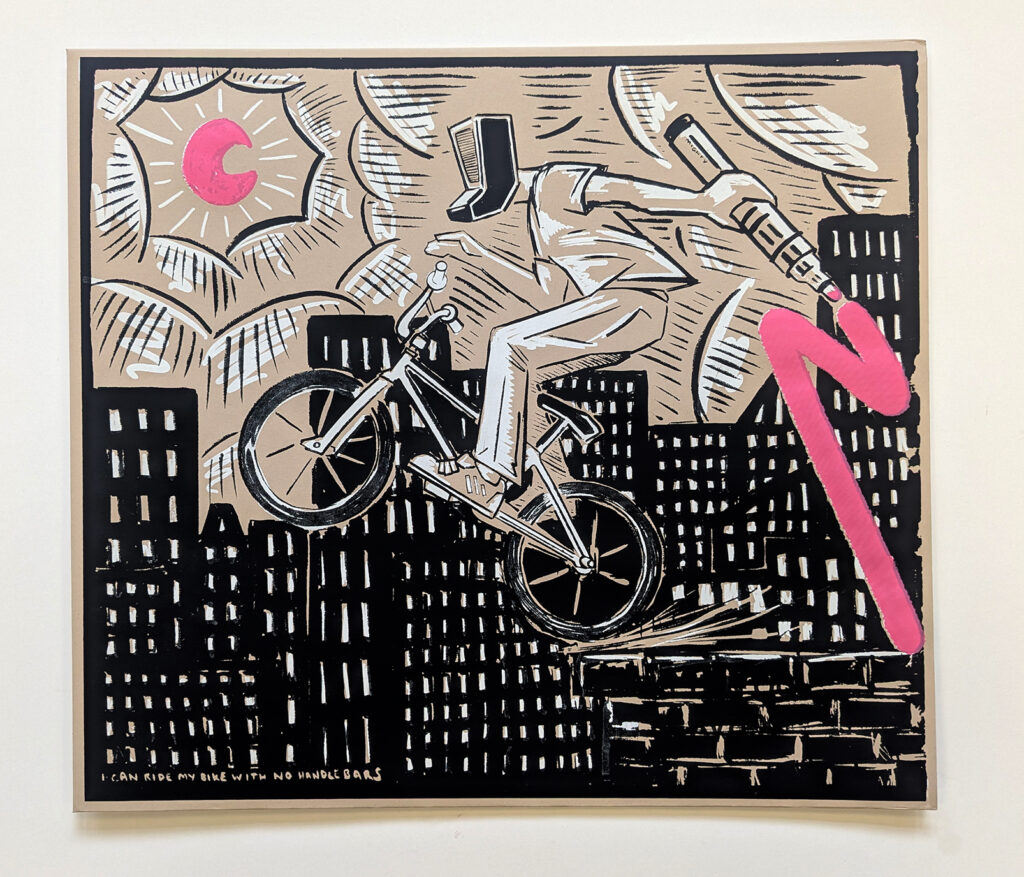
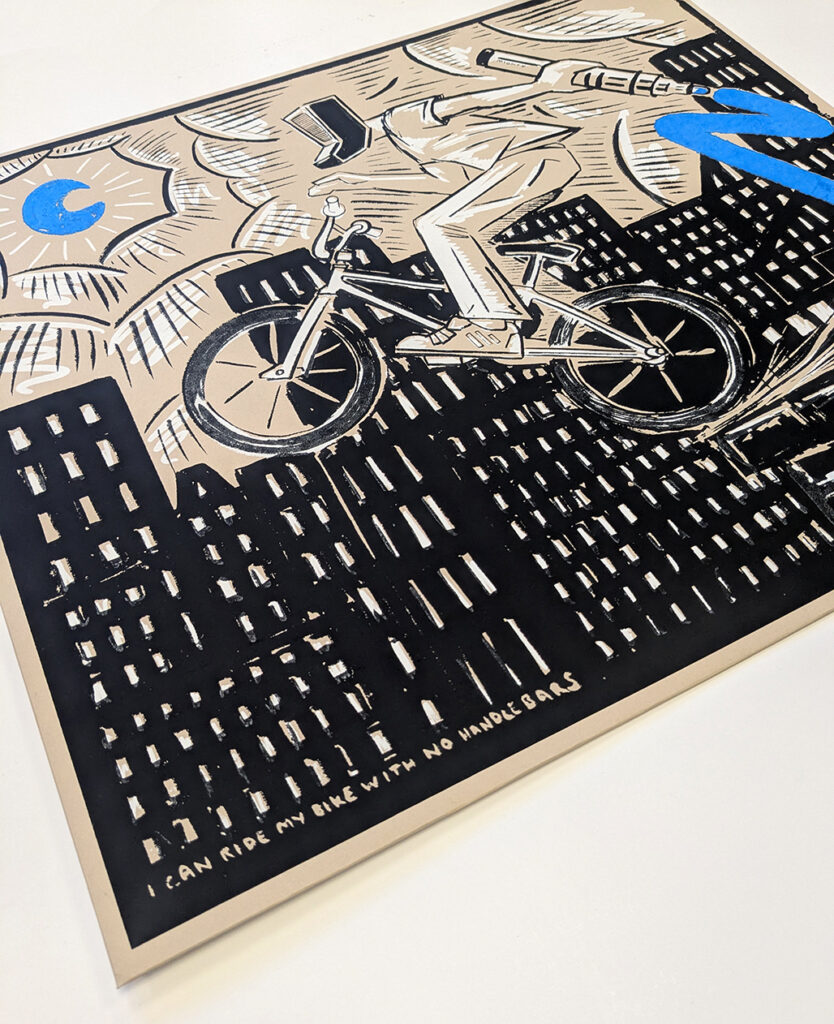
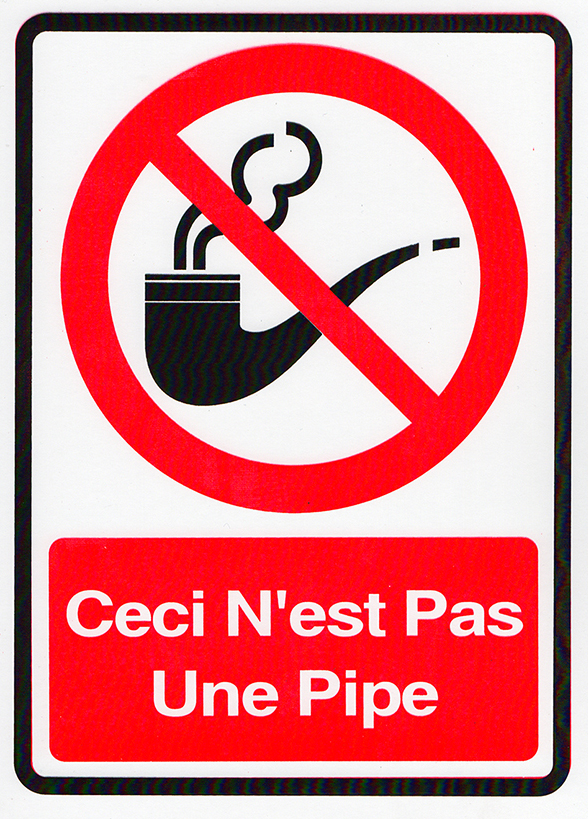
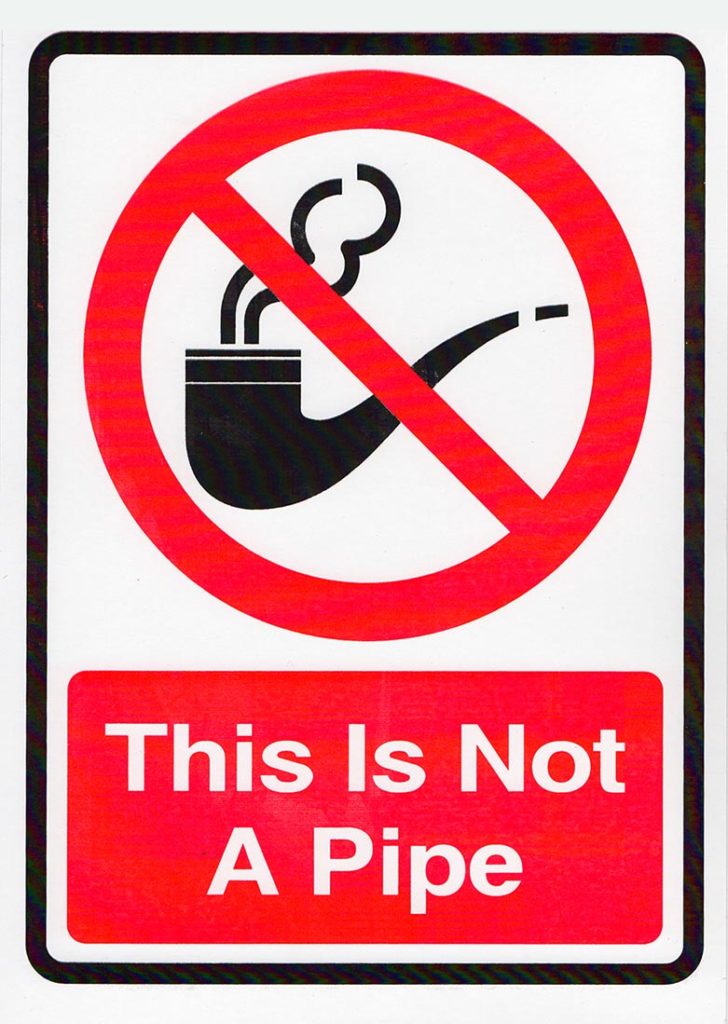
All artists in the show are part of a lineage stretching back essentially to when street signs were invented: beginning with Margaret Calvert’s pioneering pictographic road signs and ‘Transport’ typeface; via Rauschenberg, Banksy and others operating within a niche corner of graffiti culture; and circling back to Calvert’s own modified street sign ‘Woman at Work’ for the RA in 2020. Leo Boyd himself first got into street art, graffiti and sign hacking on a year abroad in Barcelona: ‘It was also with another guy, Patrick Coughlan, who is in this exhibition and was in the last one as well […] he was also quite into language and street signs as well, and I think that’s where I sort of first got into the idea of seeing signs as like little comic panels, and then joining them together to make a story’. Street sign hacktivism feels different to graffiti; potentially as powerful, and often still dealing with major themes, it is more linguistically ludic, with Boyd also seeing differences among countries: Spain tending towards the direct, Belgium’s approach more playful.
Leo, as curator, has managed to pull in some big names in the field for ‘Time of the Signs. Border Crossing’, but again his approach is broader: ‘I pick people whose signs I like; and people that I think would make decent signs—not necessarily people who have made signs before, but whose artwork I like’. And even though the inspiration for the show is the Irish border, he has not been prescriptive, leaving artists to interpret the theme. ‘Signs are a kind of border, and markers of borders; they’re borders between one state and another state’ he adds.
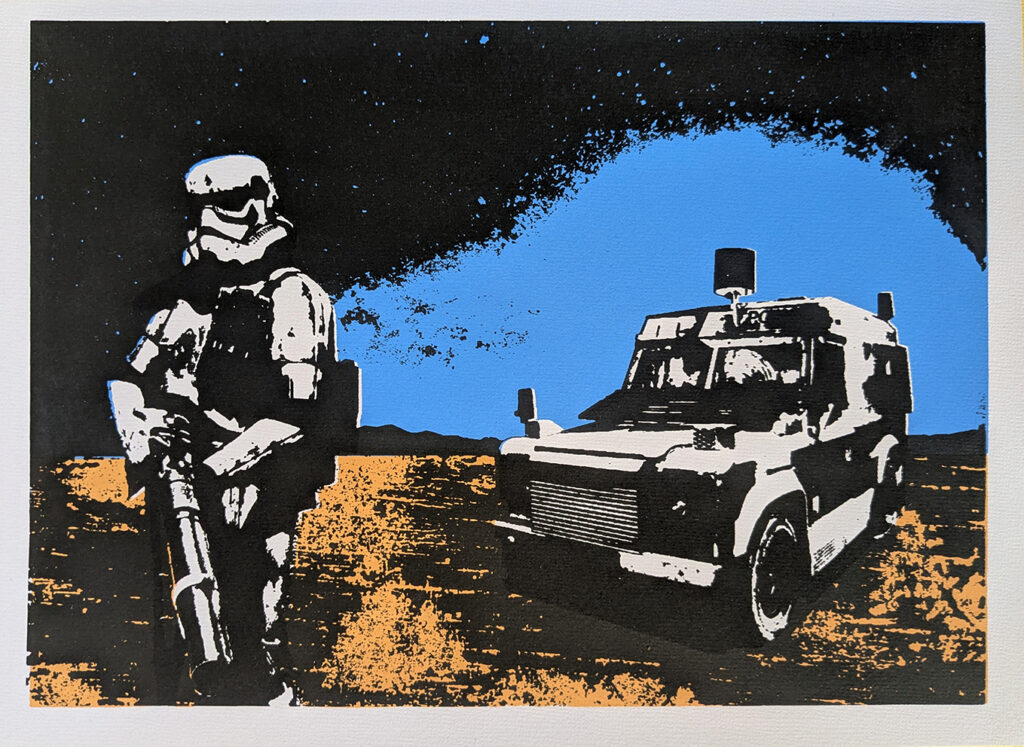
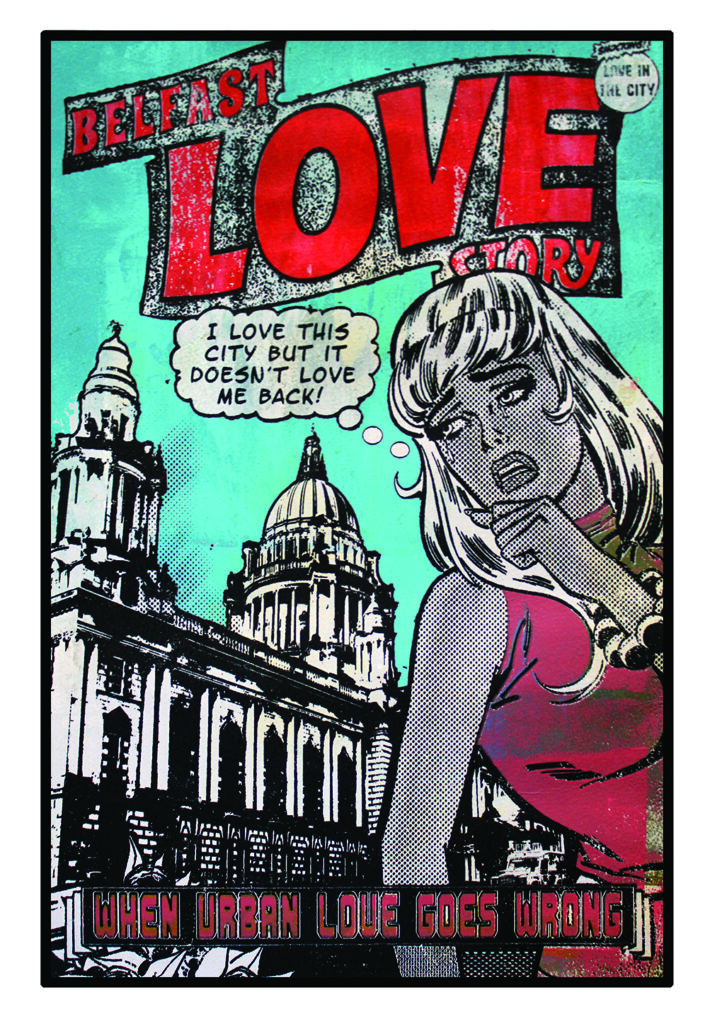
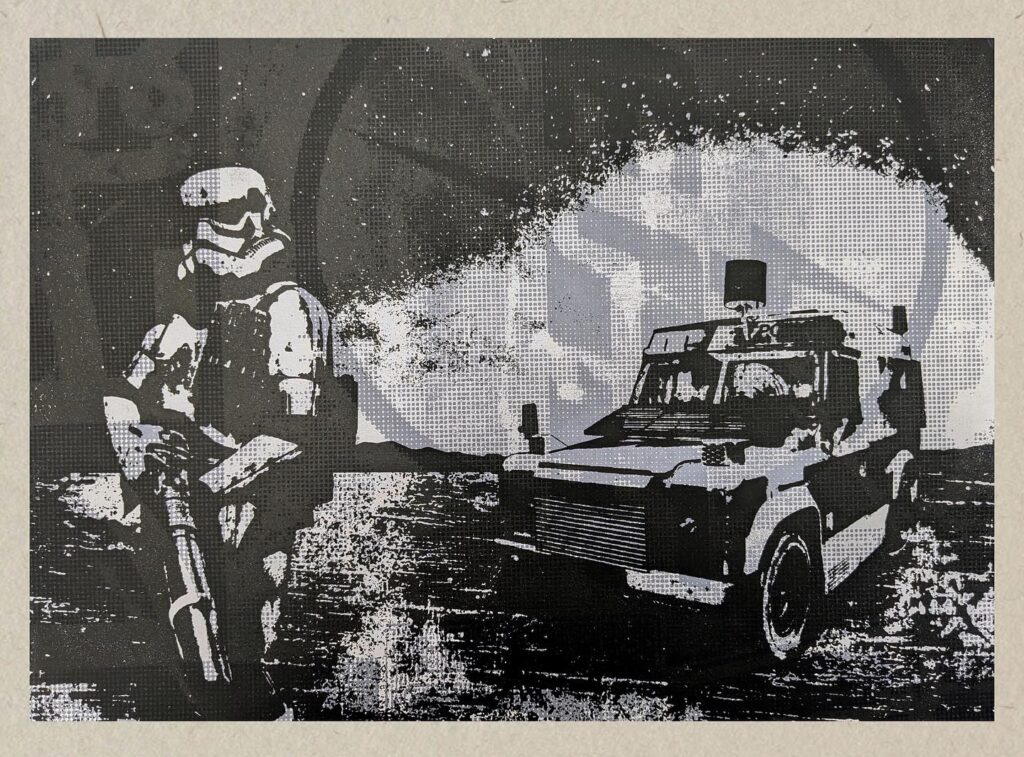
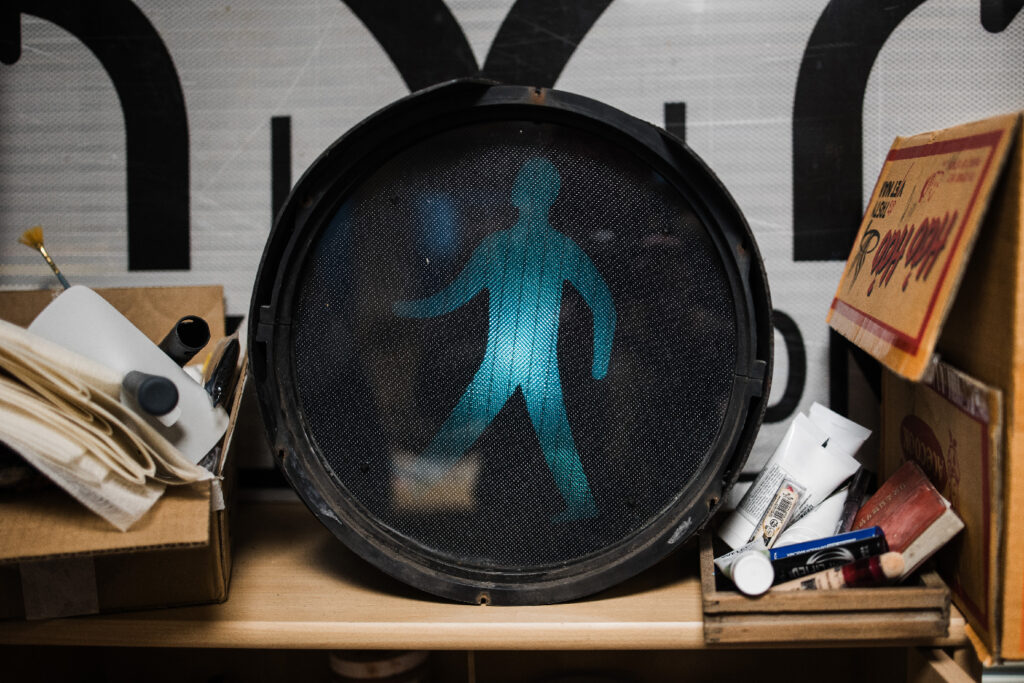
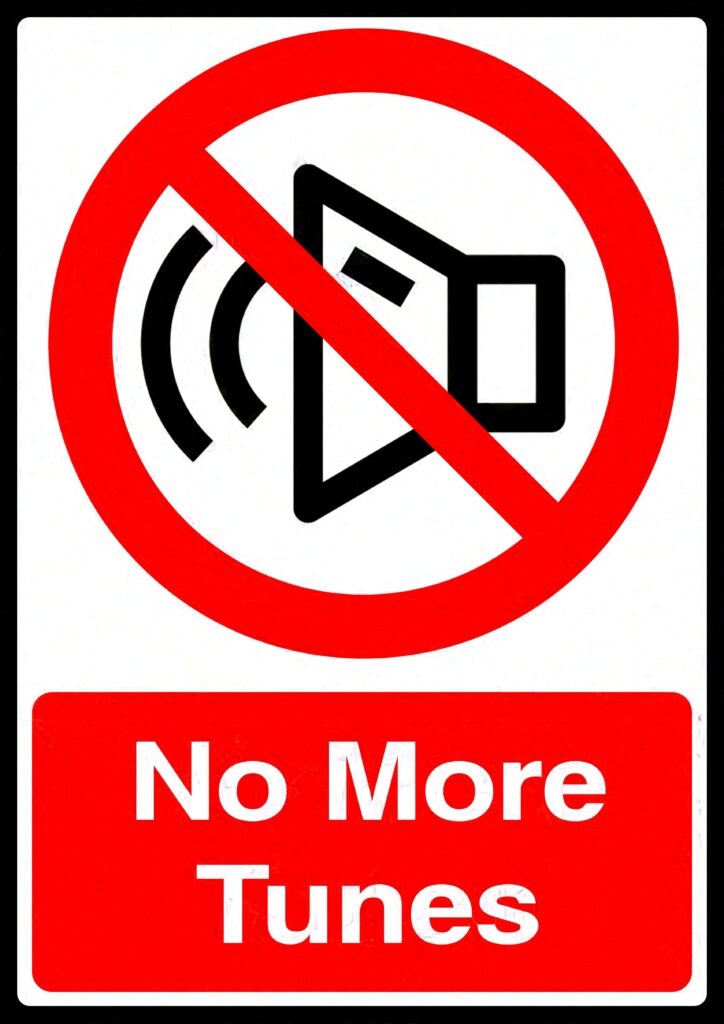
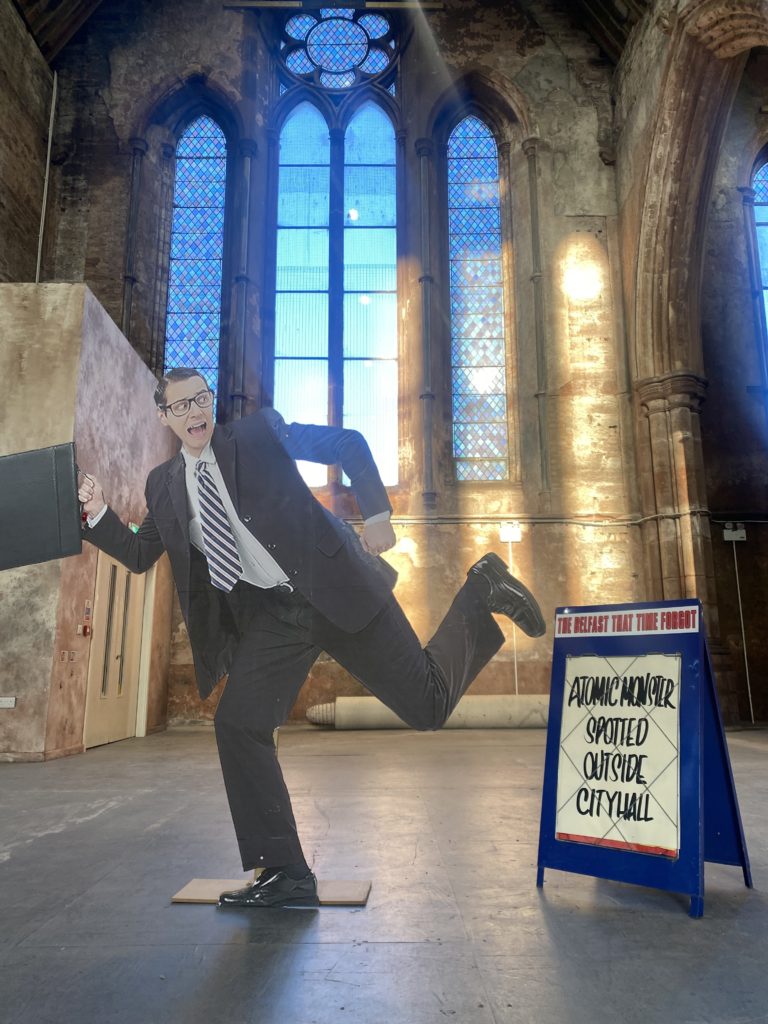
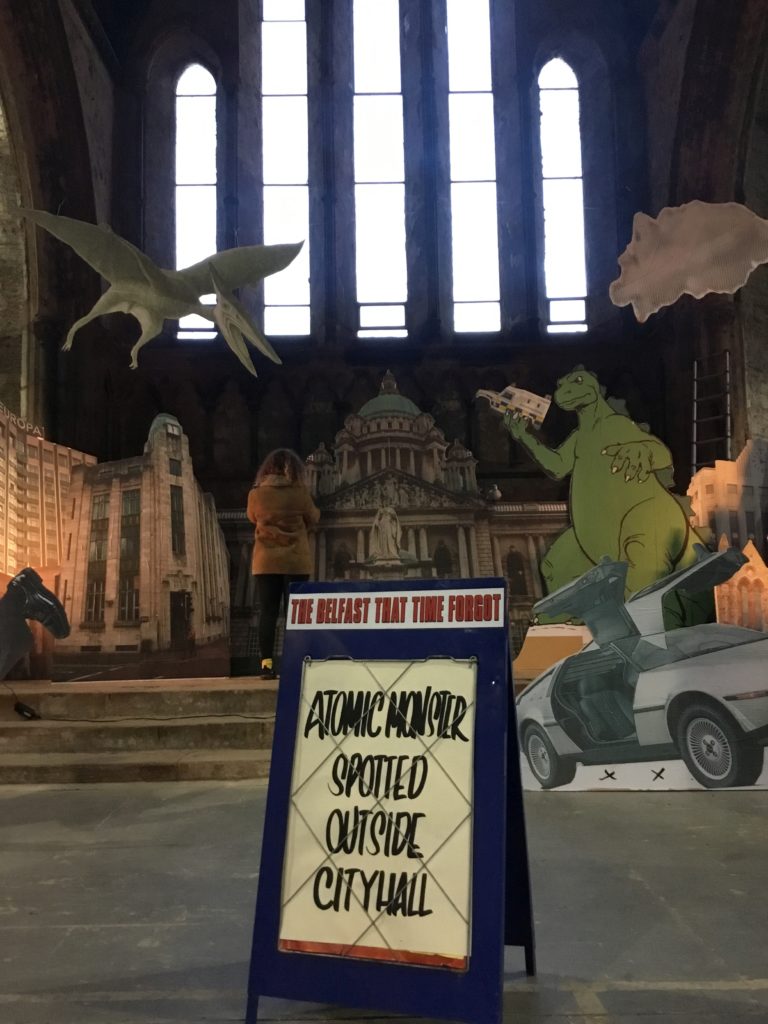
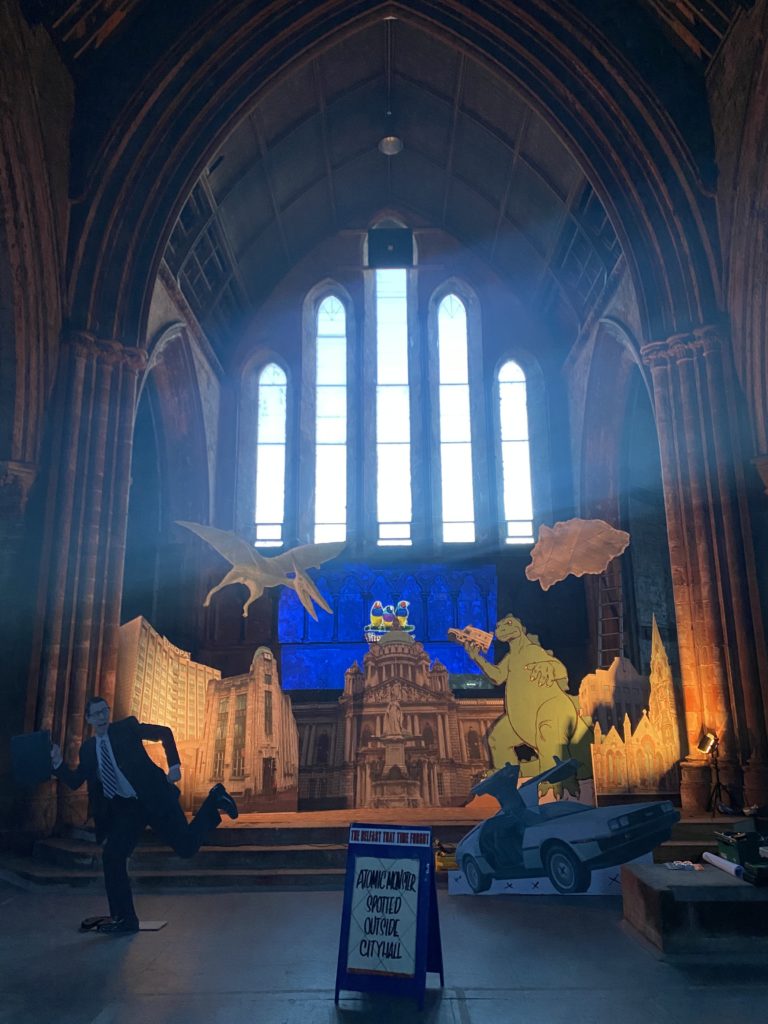
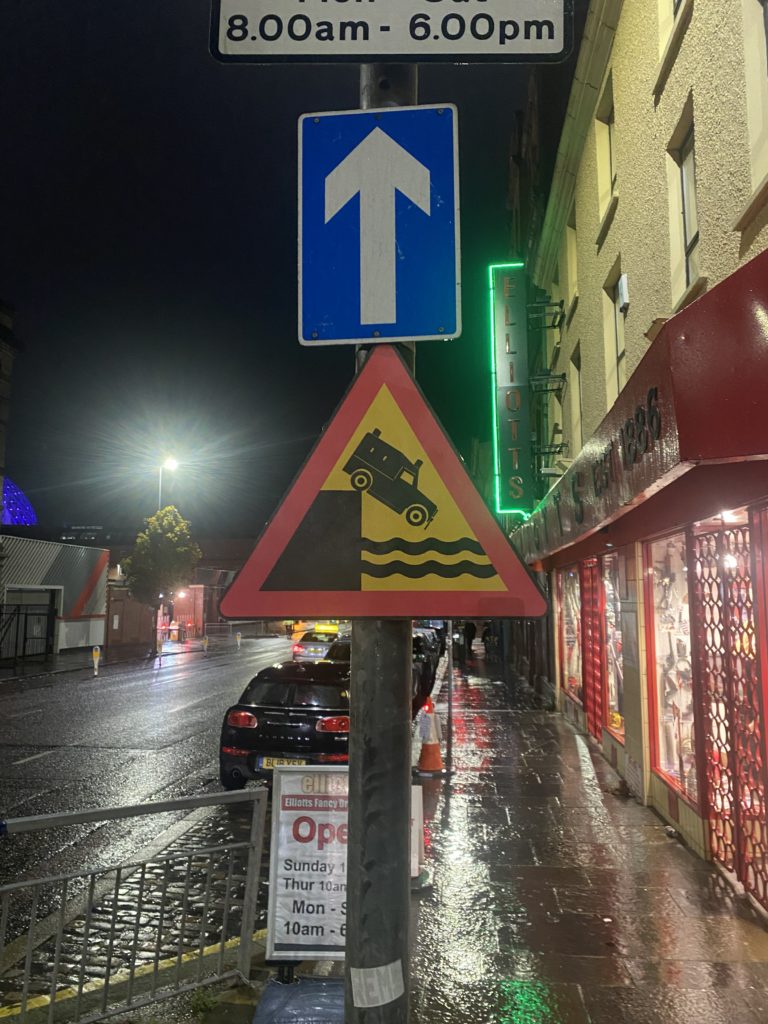
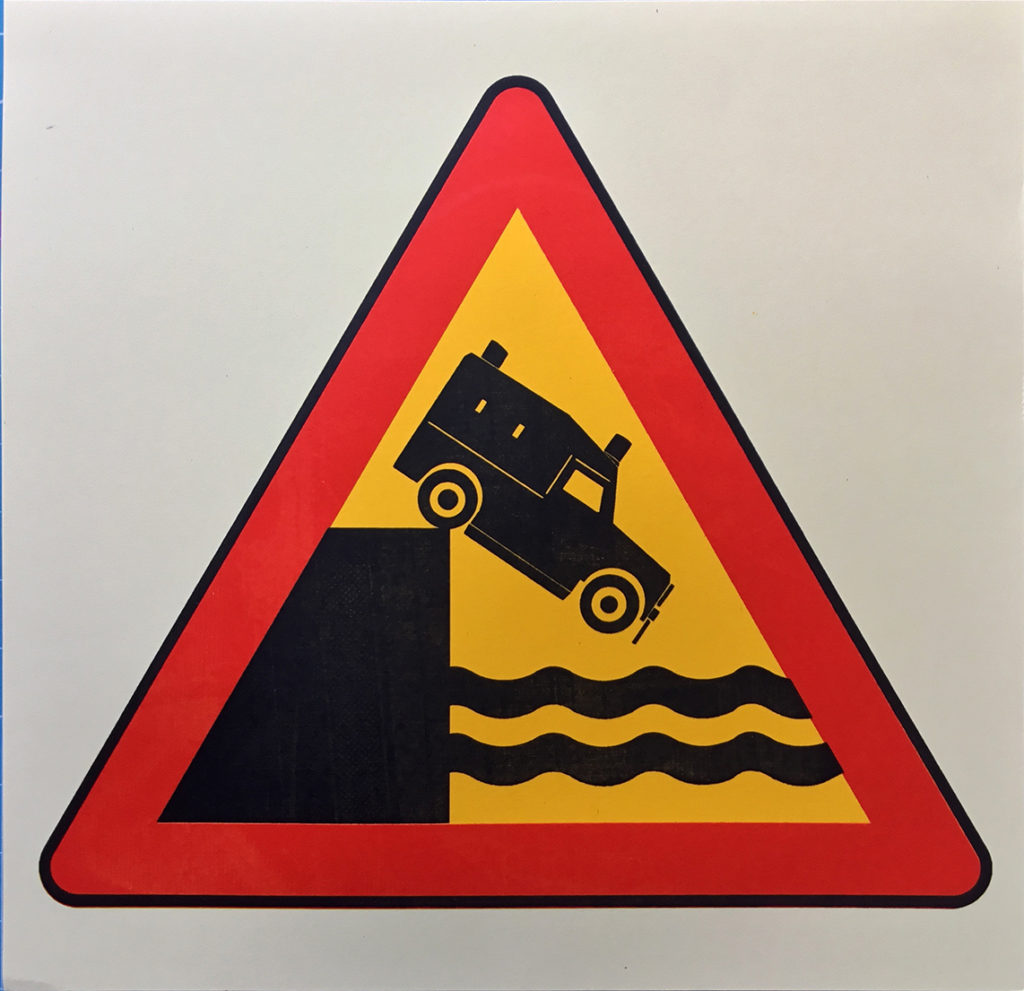
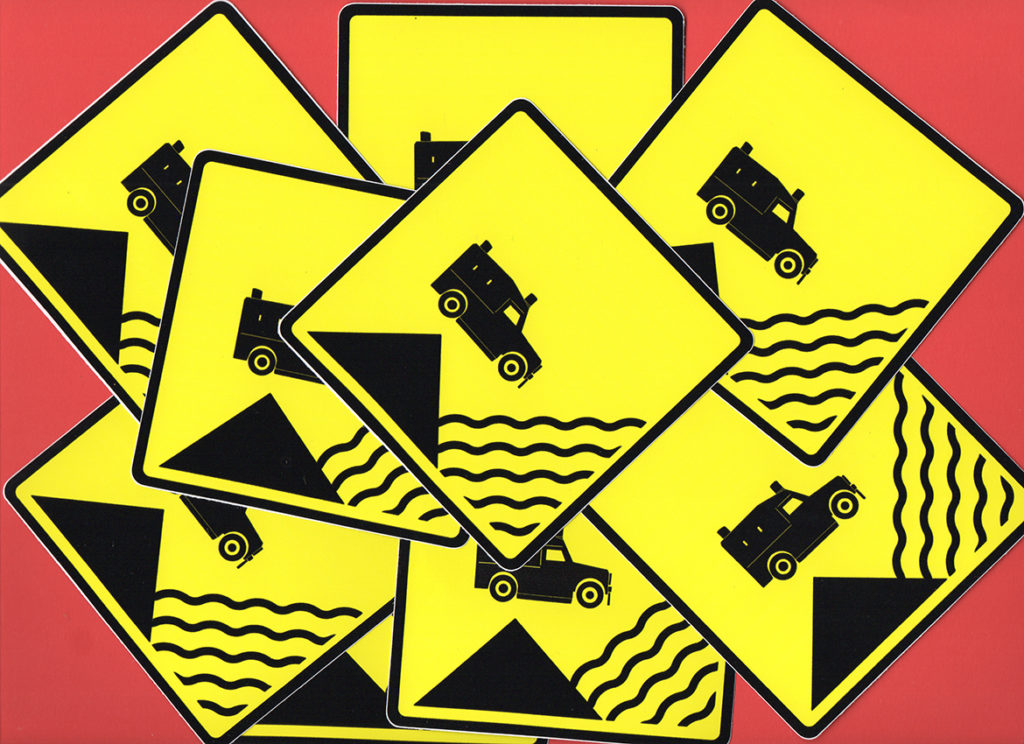
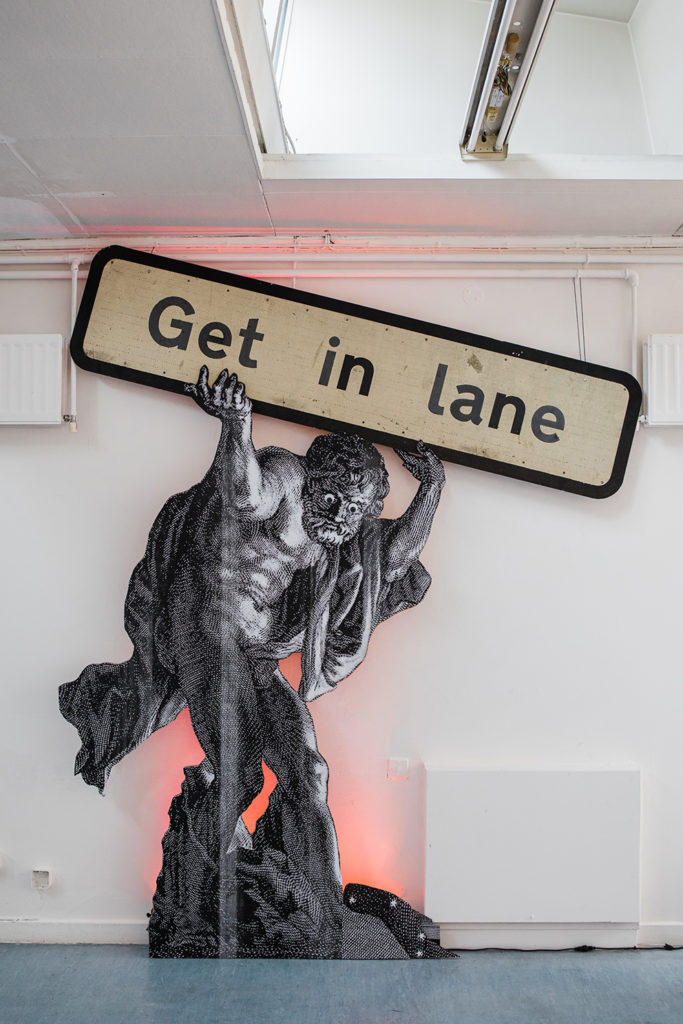
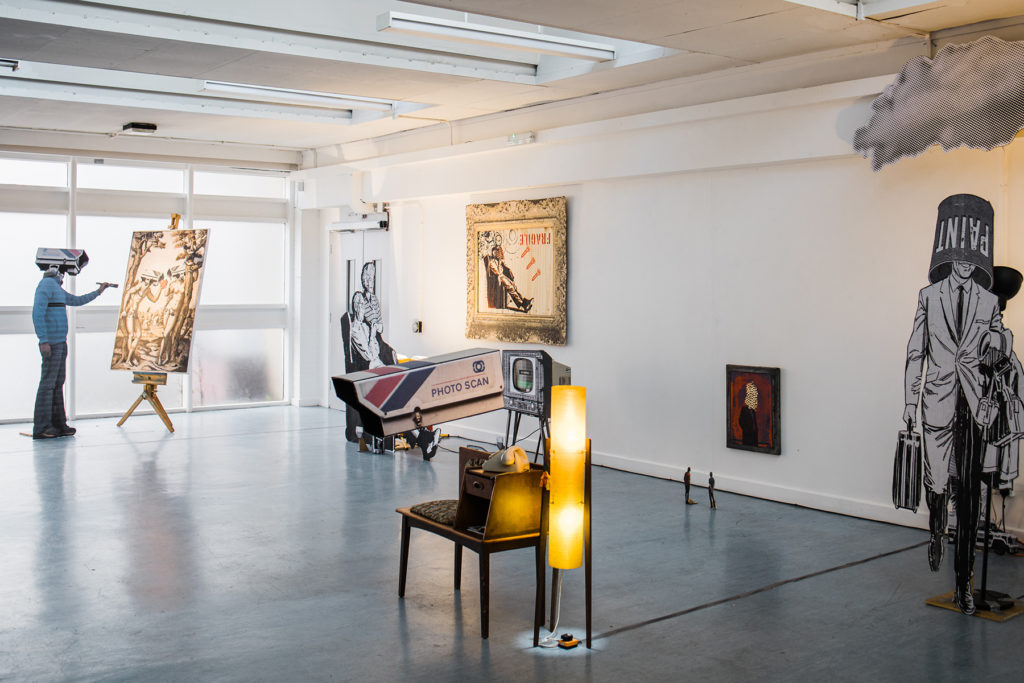
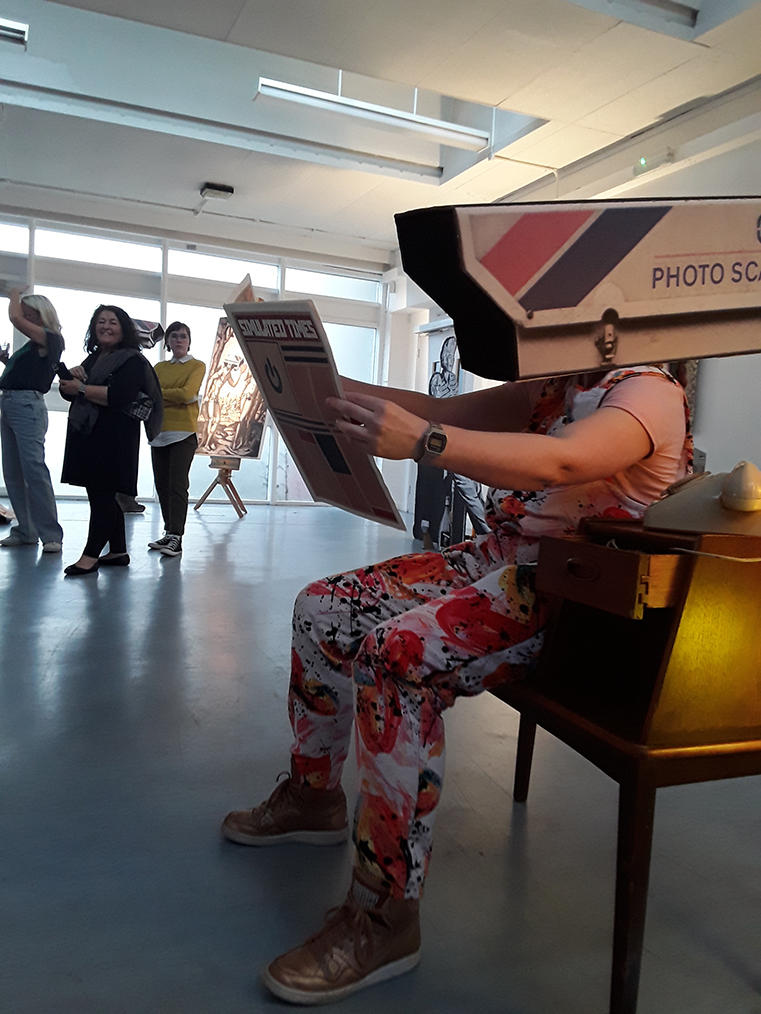
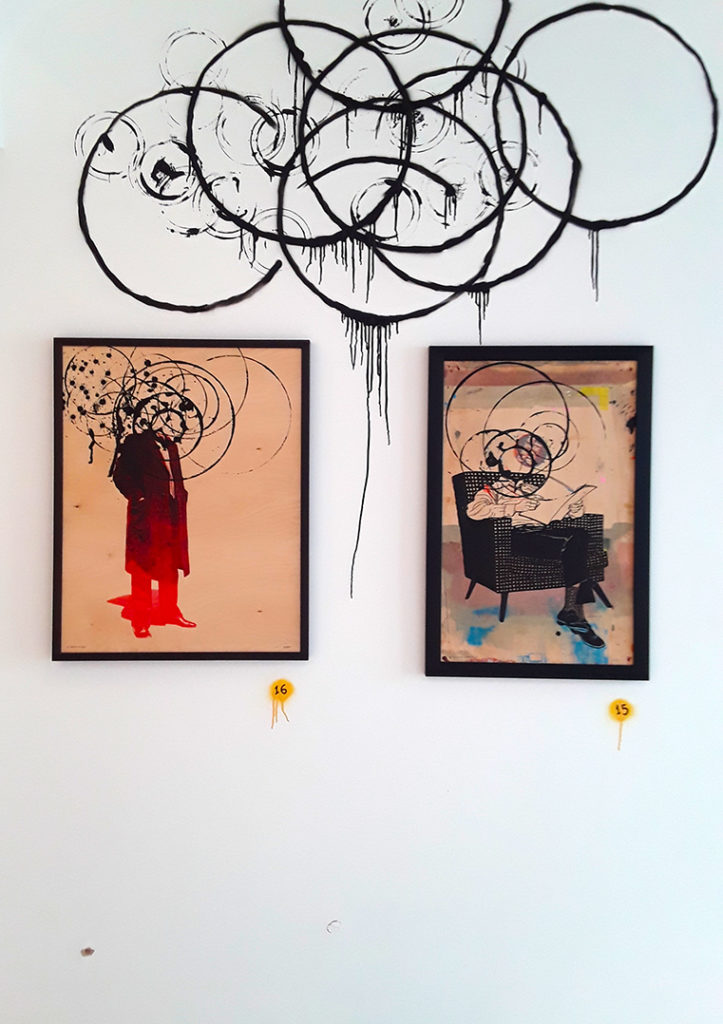
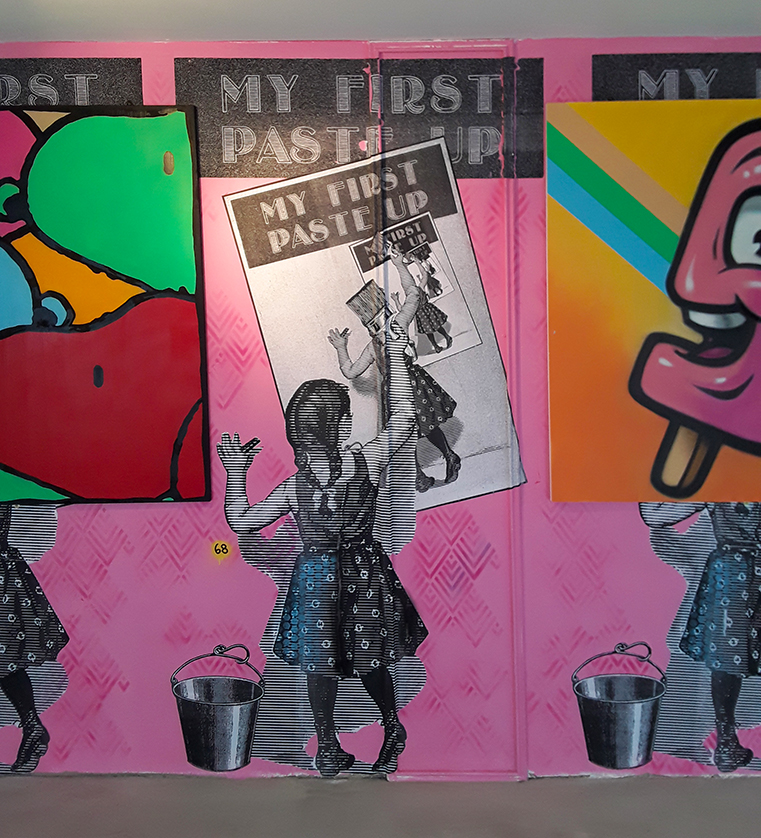
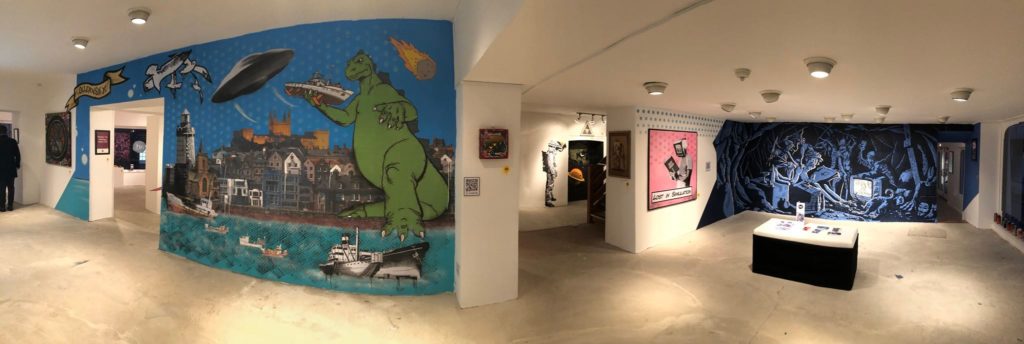
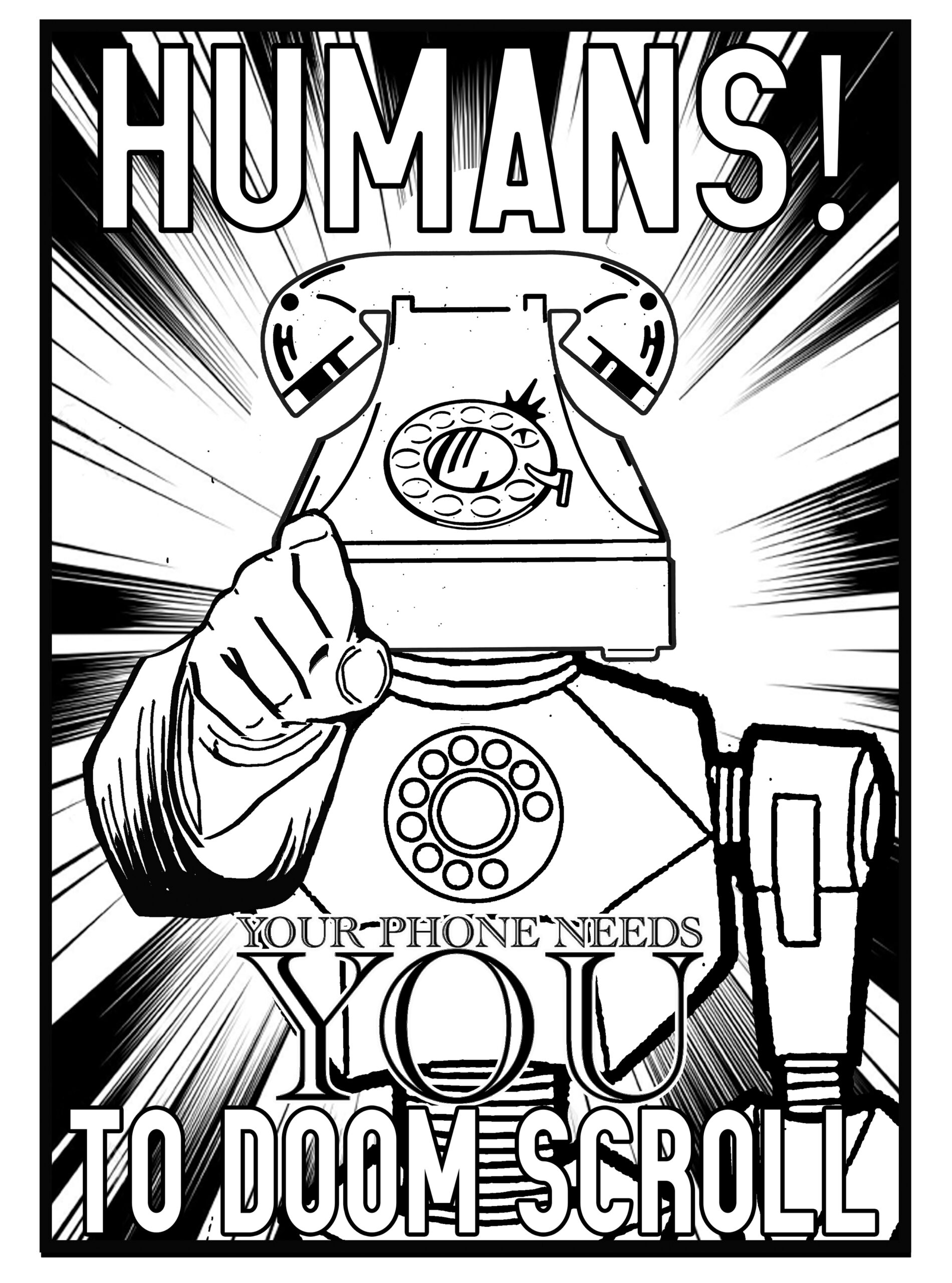
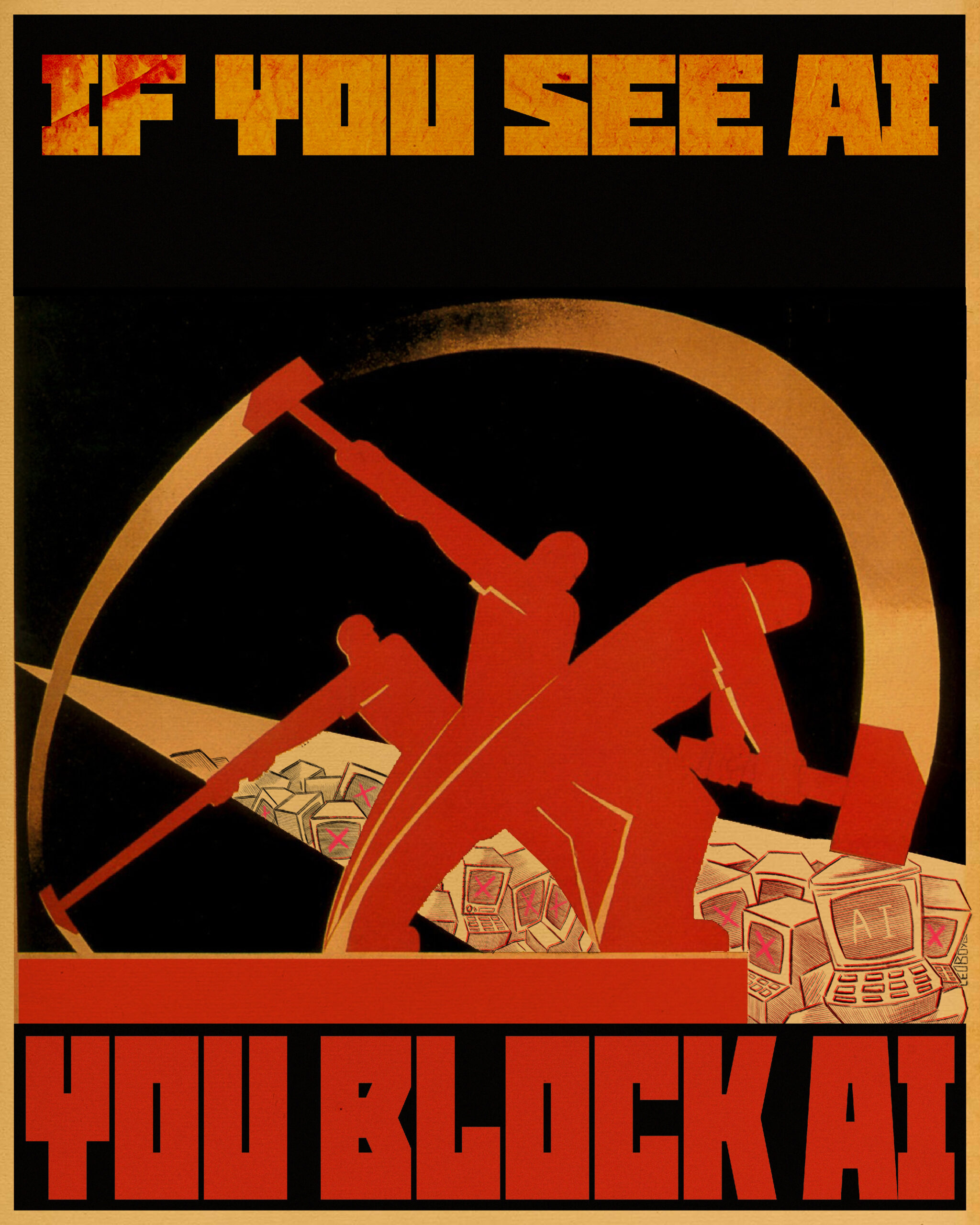
However, one condition on which Boyd has been rigorous is the nature of works submitted; they need to be signs—whether that be ‘liberated’ signs, custom made or homemade signs—rather than artworks with signs in them, e.g. photographs of signs. This stipulation is not arbitrary. It is very much to do with the overall effect that Boyd wants to create, and indeed has succeeded in creating in Vault’s gallery space, not least due to the salon style hang he has opted for. As the artist explains: ‘The idea of the exhibition is as if you’re walking through a city and you stumble across a construction site, for example, where they’ve put in too many signs, and it’s just a whole mash-up of semiotics telling you different things in different colours and different symbols—as if you’ve entered a different country.’ The effect is disconcerting; viewers to the show will find themselves assailed by multiple exhortations, rules, warnings that—because they employ the familiar language, i.e. typeface, colours and ubiquitous pictograms, of street signs—demand to be read. The artists’ modifications are sometimes obvious, and other times more subtle. ‘They are familiar objects that we’ve all just grown up with’, Leo adds, ‘especially in the urban environment, where you live inside a sign structure or semiosphere that guides you through, and keeps you safe, and tells you where to go, and not to go, without you really even noticing. But as soon as you’ve made a little change, it alters the way that you exist within that structure, subverting what you would normally get from a sign. And it’s very quick and very effective’.
I am reminded of a note by M John Harrison that accompanied advance review copies of The End of Everything where the author describes the book as ‘a disaster story, told from the basis of a prolonged catastrophe, one that would, to its victims, seem to unfold so slowly that they were like the proverbial frogs in the pot: not noticing that their world is changing’. Leo Boyd: ‘I want visitors to feel lost in a weird environment, in which they recognise the language, but don’t recognise what it’s telling them. And if that happens, it would be a successful show’. ‘It would indeed’, I agree.
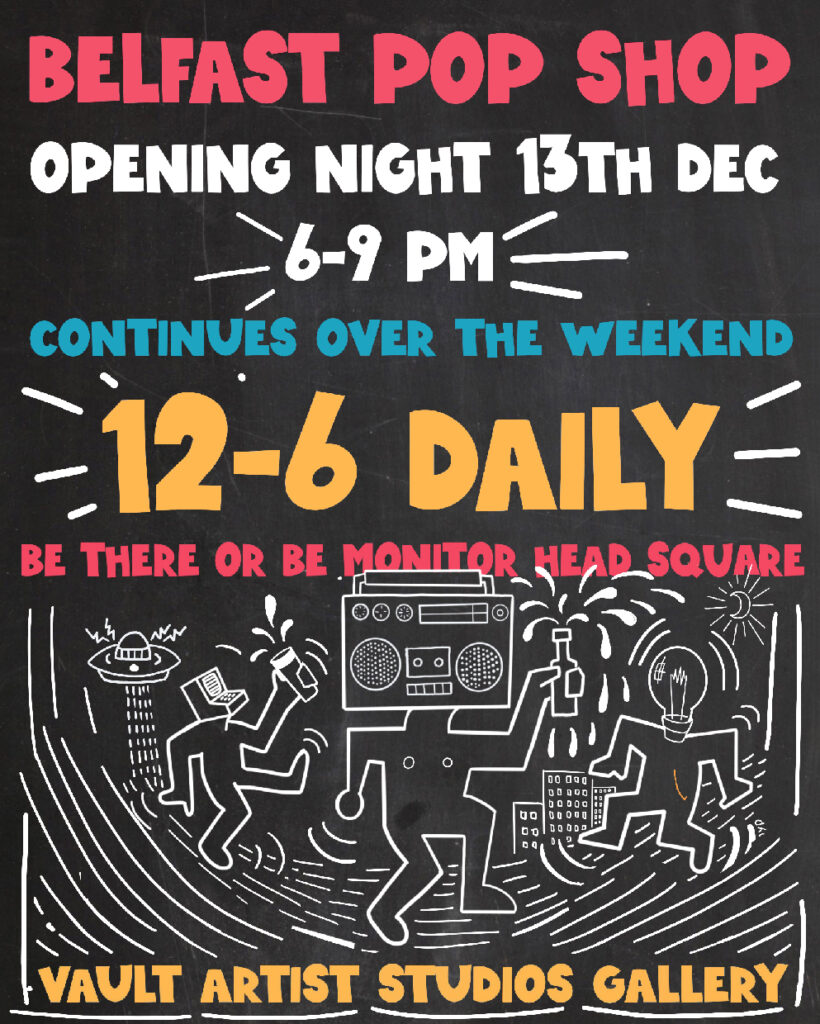
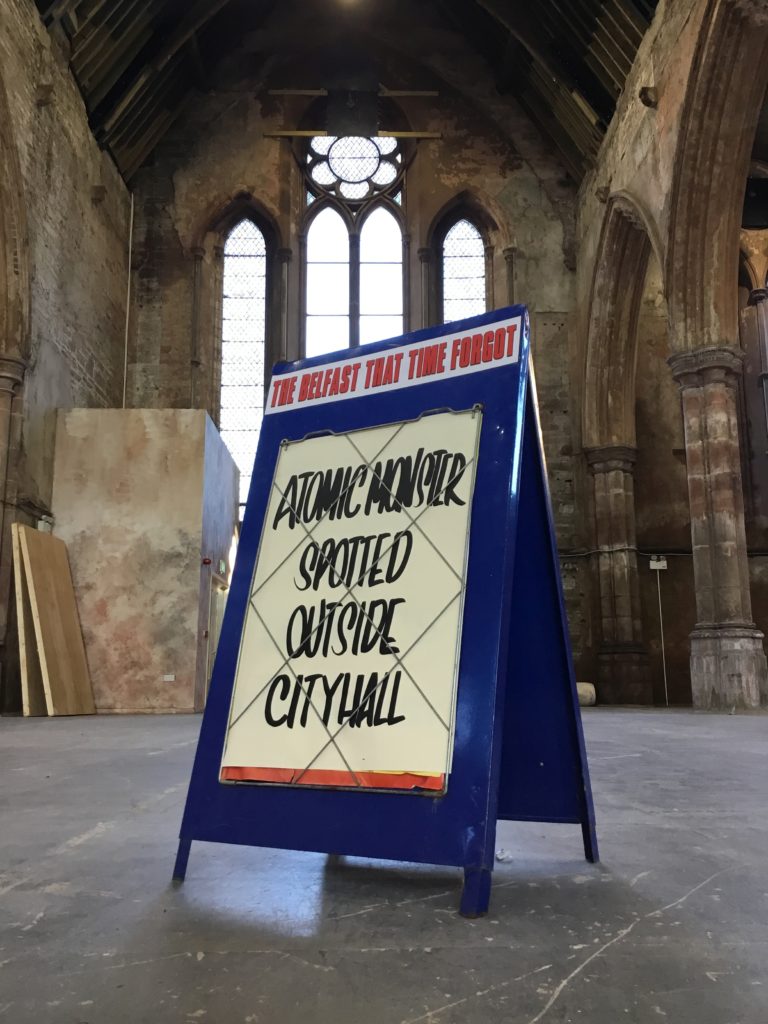
Time of the Signs. Border Crossing opens at Vault Artist Studios Gallery Belfast on 1 October (6–9pm) and runs from 12–6pm daily.
Jonathan Brennan, September 2026